


Dogs have shared our lives for millennia, yet these remarkable creatures continue to surprise us with their extraordinary abilities and unique characteristics. From their ancient origins as wild hunters to their current status as beloved family members, canines possess a wealth of fascinating traits that many owners have never discovered. Understanding these remarkable facts not only deepens our appreciation for our four-legged companions but also enhances the way we care for and interact with them daily.
Dogs: loyal guardians since ancient times
The origins of domestication
The relationship between humans and dogs stretches back an astonishing 20,000 to 40,000 years, making them one of the first domesticated animals in human history. Archaeological evidence suggests that early dogs emerged from wolves that gradually adapted to living alongside human settlements. These early canines provided invaluable services to ancient communities, including:
- Protection from predators and intruders
- Assistance during hunting expeditions
- Warmth during cold nights
- Companionship and emotional support
Evolution alongside humanity
Throughout history, dogs have adapted remarkably to human needs and lifestyles. Ancient cultures across the globe recognised the practical and emotional value of these animals, integrating them into daily life, religious practices, and even warfare. Unlike their wolf ancestors, dogs developed a unique capacity to read human gestures and emotions, a trait that has been refined over countless generations. This evolutionary partnership has resulted in a species that is uniquely attuned to human behaviour and social cues.
Retention of playful instincts
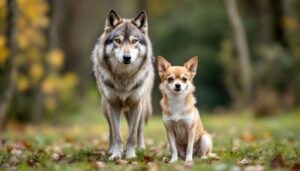
One of the most significant differences between dogs and wolves lies in their approach to play. Whilst wolves typically abandon playful behaviour after reaching maturity, dogs have been selectively bred to retain their playful instincts throughout their entire lives. This neotenic characteristic makes them better suited as human companions, as they remain engaged, curious, and eager to interact with their owners regardless of age. This perpetual playfulness strengthens the bond between dogs and humans, creating opportunities for daily mental and physical stimulation that benefits both parties.
These ancient connections continue to influence how dogs interact with us today, setting the stage for understanding their sophisticated communication abilities.
Masters of canine communication
Vocal and non-vocal signals
Dogs possess an impressive repertoire of communication methods that extends far beyond simple barking. Through a combination of vocalisations, body language, and facial expressions, canines convey a remarkable range of emotions and intentions. Their communication toolkit includes:
- Barking patterns with varying pitch and intensity
- Growling for warnings or play
- Whining to express needs or anxiety
- Tail position and movement
- Ear positioning and eye contact
Understanding human language
Research has demonstrated that dogs can comprehend more than 160 words and commands, placing their linguistic abilities on par with those of a two-year-old child. This cognitive capacity allows them to respond to verbal cues, understand context, and even anticipate their owner’s intentions based on subtle vocal inflections. The most intelligent breeds can learn new commands with fewer than five repetitions and obey them at least 95% of the time. This remarkable linguistic aptitude highlights the depth of canine intelligence and their ability to bridge the communication gap between species.
Lifelong learning capacity
Contrary to the old adage about teaching old dogs new tricks, canines retain their ability to learn throughout their entire lives. Training and socialisation remain crucial components of canine development regardless of age, allowing dogs to adapt to new environments, learn fresh commands, and modify their behaviour. This neuroplasticity ensures that dogs can continue to surprise their owners with their adaptability and intelligence, even in their senior years. Regular mental stimulation through training exercises, puzzle toys, and new experiences contributes significantly to a dog’s cognitive health and overall well-being.
Whilst their communication skills are impressive, dogs possess another sense that operates on an entirely different level of sophistication.
The incredible sense of smell in dogs
Olfactory superiority
The canine sense of smell represents one of nature’s most extraordinary sensory achievements. Dogs possess between 10,000 and 100,000 times more developed olfactory capabilities than humans, thanks to their remarkable nasal architecture. This vast difference in sensory perception can be quantified through a comparison of olfactory receptors:
| Species | Olfactory Receptors | Relative Sensitivity |
|---|---|---|
| Dogs | Up to 300 million | 10,000-100,000x human |
| Humans | Approximately 6 million | Baseline |
Practical applications
This phenomenal olfactory capacity has been harnessed for numerous practical purposes that benefit human society. Dogs serve as invaluable partners in:
- Detection of explosives and narcotics at security checkpoints
- Search and rescue operations following disasters
- Medical detection of diseases including cancer and diabetes
- Tracking missing persons or suspects
- Identifying contaminated food or hazardous materials
Unique identification markers
Just as humans possess unique fingerprints, each dog’s paw print is entirely distinctive and can be used for identification purposes. This biological signature, combined with their extraordinary scenting abilities, makes dogs remarkably effective at distinguishing between individuals, tracking scents across vast distances, and detecting minute chemical changes in their environment. The combination of these traits demonstrates how dogs experience the world in ways that are fundamentally different from human perception, operating in a sensory landscape rich with information invisible to us.
This sensory sophistication is matched by an equally impressive physical diversity within the species.
The astonishing diversity of dog breeds
Selective breeding achievements
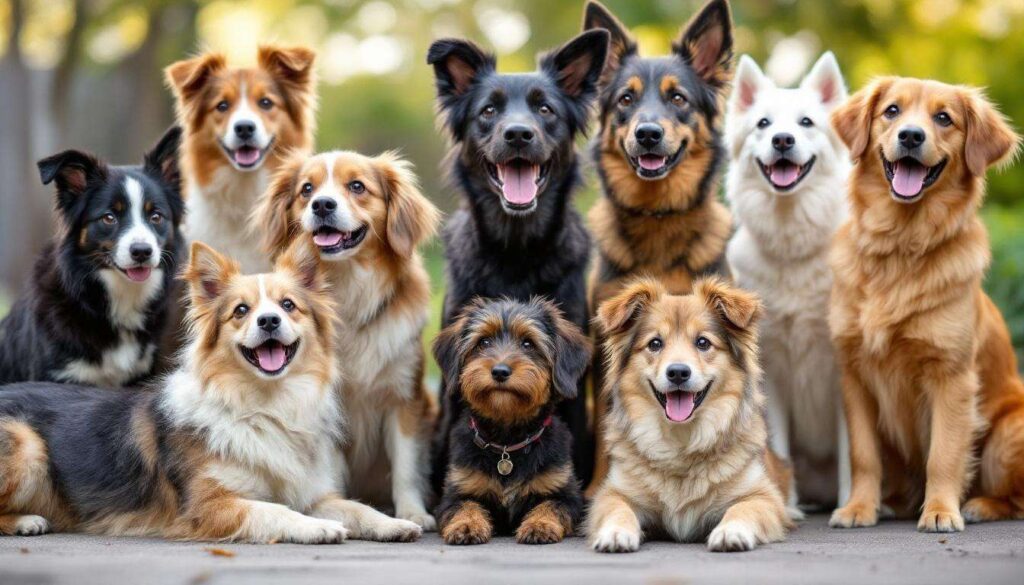
The canine species demonstrates an unparalleled range of physical diversity unmatched by any other domesticated animal. Through selective breeding over thousands of years, humans have developed hundreds of distinct breeds, each with specialised characteristics suited to particular tasks or environments. From the diminutive Chihuahua weighing less than three kilograms to the massive Great Dane standing over 80 centimetres tall, dogs exhibit extraordinary variation in size, appearance, and temperament.
Specialised traits and purposes
Different breeds have been developed to excel in specific roles, resulting in remarkable physical and behavioural adaptations. These specialisations include:
- Herding breeds with instinctive livestock management abilities
- Retrievers bred for soft mouths and swimming prowess
- Scent hounds with enhanced olfactory tracking capabilities
- Guard dogs with protective instincts and imposing presence
- Companion breeds optimised for human interaction
Physical adaptations
Beyond their obvious size differences, dogs possess unique physiological features that distinguish them from other mammals. Unlike humans who sweat across their entire body, dogs have sweat glands located primarily between the pads of their paws. This limited sweating capacity means they rely heavily on panting to regulate their body temperature, a factor that owners must consider when exercising their pets in warm conditions. Understanding these breed-specific characteristics and limitations is essential for providing appropriate care and ensuring the health and comfort of our canine companions.
These physical variations are complemented by equally diverse cognitive abilities that continue to fascinate researchers.
Canine intelligence: a fascinating subject
Cognitive capabilities
Dogs demonstrate remarkable problem-solving abilities and cognitive flexibility that challenge traditional assumptions about animal intelligence. Their capacity to understand complex commands, navigate social situations, and adapt to changing circumstances reveals a sophisticated mental architecture. Research has shown that dogs possess multiple forms of intelligence, including instinctive intelligence related to their original breeding purpose, adaptive intelligence that allows them to learn from experience, and working intelligence that determines their ability to learn from humans.
Social intelligence
As pack animals by nature, dogs have evolved exceptional social intelligence that enables them to form strong bonds with both humans and other dogs. They thrive in social environments where they can interact regularly with their family members and other animals. This social nature manifests in various ways:
- Recognition of family members and regular visitors
- Understanding of social hierarchies within households
- Ability to cooperate with humans on tasks
- Emotional attunement to their owners’ moods
- Preference for companionship over solitude
Record-breaking longevity
The cognitive abilities of dogs can be maintained well into their senior years, as evidenced by remarkable cases of canine longevity. The oldest recorded dog, an Australian cattle dog named Bluey, lived until 29 years and 5 months, earning a place in the Guinness Book of World Records. Such exceptional lifespans demonstrate that with proper care, nutrition, and mental stimulation, dogs can maintain their cognitive function and quality of life far longer than many owners might expect.
This intelligence extends beyond mere cognitive ability to encompass a profound understanding of human emotional states.
The relationship between dogs and human emotions
Emotional perception
Dogs possess an extraordinary ability to perceive and respond to human emotions, a capacity that distinguishes them from most other domesticated animals. Through a combination of visual cues, vocal tone analysis, and possibly even chemical detection of hormonal changes, dogs can accurately assess their owner’s emotional state. This emotional attunement allows them to provide comfort during times of distress, share in moments of joy, and adjust their behaviour according to the emotional atmosphere of their environment.
Strengthening bonds through play
Play serves as a crucial mechanism for strengthening the bond between dogs and their owners. Regular play sessions provide essential mental and physical stimulation whilst creating positive associations and shared experiences. The importance of play extends beyond mere entertainment:
- Builds trust and mutual understanding
- Provides necessary physical exercise
- Offers mental stimulation and problem-solving opportunities
- Reduces stress and anxiety for both dog and owner
- Reinforces training and obedience in an enjoyable context
Mutual benefits
The relationship between dogs and humans represents a truly symbiotic partnership that benefits both species. Dogs receive food, shelter, medical care, and companionship, whilst humans gain loyal companions who provide emotional support, security, and unconditional affection. Research has demonstrated that interacting with dogs can lower blood pressure, reduce stress hormones, and increase levels of oxytocin in humans. This bidirectional emotional connection explains why dogs have maintained their position as humanity’s most beloved companion animals throughout millennia of shared history.
These remarkable creatures continue to enrich our lives in countless ways, from their ancient origins as working partners to their modern role as cherished family members. The facts presented here merely scratch the surface of canine capabilities and characteristics, revealing animals of extraordinary complexity and adaptability. By understanding these fascinating aspects of dog biology, behaviour, and psychology, owners can provide better care, develop stronger bonds, and appreciate the truly exceptional nature of their companions. The relationship between humans and dogs represents one of nature’s most successful partnerships, built on mutual benefit, deep emotional connection, and thousands of years of shared evolution. As we continue to learn more about these loyal guardians, we discover not only their remarkable abilities but also the profound ways in which they have shaped human society and continue to enhance our daily lives.