



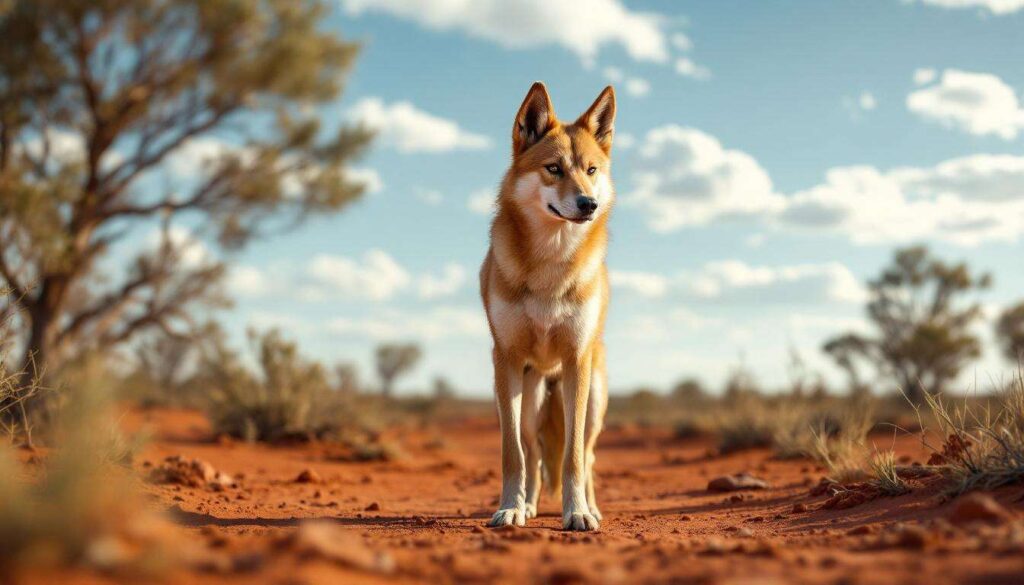
Recent scientific research has uncovered compelling evidence that the arrival of European settlers in Australia fundamentally altered the biology and behaviour of dingoes. Through meticulous examination of skeletal remains and genetic material spanning more than two centuries, researchers have demonstrated that the impacts of colonisation are physically embedded in these iconic animals. The study reveals how environmental pressures, conflicts with settlers, and interactions with introduced domestic dogs have left indelible marks on dingo populations, challenging previous assumptions about their evolutionary trajectory since European contact.
The beginnings of colonisation and conflicts with dingoes
The arrival of the First Fleet and immediate consequences
The landing of the First Fleet in 1788 initiated profound transformations across the Australian continent. European colonisers brought with them livestock including sheep, cattle, and poultry, which quickly became targets for dingoes seeking prey. This created immediate friction between settlers and the native predator, fundamentally altering the relationship between humans and dingoes that had existed for millennia with Indigenous Australians.
The conflict escalated rapidly as settlers viewed dingoes as threats to their agricultural enterprises. Protective measures soon evolved into aggressive eradication campaigns that included:
- organised shooting programmes targeting dingo populations
- extensive trapping operations across pastoral lands
- bounty systems offering financial rewards for dingo pelts
- widespread distribution of poison baits throughout the countryside
Cultural shifts in human-dingo relationships
Prior to colonisation, dingoes occupied a significant position within Indigenous Australian communities. They featured prominently in cultural practices, spiritual beliefs, and daily life. However, European settlement imposed a dramatically different perspective, casting dingoes primarily as pests and economic threats rather than valued members of the ecosystem.
This fundamental shift in attitudes created pressures that extended beyond immediate population control, influencing the very fabric of dingo existence across the continent. These early conflicts set the stage for understanding how subsequent genetic and physical changes would manifest in dingo populations.
Analysis of ancient tissues: revelations on dingo evolution
Methodological approaches in the research
The groundbreaking study published in the Proceedings of the National Academy of Sciences employed sophisticated analytical techniques to examine dingo specimens from before and after European contact. Researchers utilised stable isotope analysis to investigate dietary patterns and environmental conditions, whilst ancient DNA extraction provided insights into genetic composition over time.
| Analytical Method | Information Revealed | Time Period Covered |
|---|---|---|
| Stable Isotope Analysis | Dietary changes and habitat shifts | 1788-2026 |
| Ancient DNA Extraction | Genetic diversity and interbreeding | Pre-1788 to present |
| Skeletal Morphology | Physical adaptations and stress markers | 238-year span |
Skeletal evidence of environmental stress
Examination of bone structure revealed tangible evidence of colonisation’s impact on dingo physiology. The skeletal remains demonstrated variations in size, density, and growth patterns that correlate with the period following European settlement. These physical markers suggest that dingoes experienced significant nutritional and environmental pressures as their traditional habitats and prey sources were disrupted.
The phrase “written in their bones” captures the profound nature of these findings, indicating that the challenges faced by dingoes during colonisation left permanent biological signatures. Such discoveries provide researchers with unprecedented insights into how native species respond to rapid environmental transformation.
The distinctive identity of dingoes in the face of changes
Maintaining genetic integrity
Despite centuries of potential interbreeding with European domestic dogs, the research indicates that dingoes have largely preserved their genetic distinctiveness. DNA analysis suggests that contemporary dingo populations exhibit relatively low levels of hybridisation, contrary to earlier assumptions that widespread mixing had occurred.
This finding highlights the remarkable resilience of dingo populations in maintaining their unique genetic heritage despite the introduction of numerous dog breeds including greyhounds, terriers, and spaniels. The mechanisms behind this genetic preservation remain subjects of ongoing investigation.
Cultural significance and biological uniqueness
The study reinforces the importance of recognising dingoes as distinct entities within Australia’s ecological and cultural landscape. Their continued genetic separation from domestic dogs supports arguments for their classification as a unique subspecies deserving specific conservation consideration.
Understanding how dingoes have maintained their identity whilst adapting to colonisation pressures provides crucial context for contemporary debates surrounding their management and protection.
Animal hybridisation: the role of European colonisation
Historical patterns of interbreeding
The arrival of European settlers introduced unprecedented opportunities for genetic mixing between dingoes and domestic dogs. However, the extent and impact of this hybridisation has proven more complex than initially theorised. Whilst some interbreeding undoubtedly occurred, particularly in areas of close human settlement, the research suggests that such mixing was less pervasive than previously believed.
Factors influencing hybridisation rates included:
- geographical isolation of dingo populations in remote areas
- behavioural differences between wild dingoes and domestic dogs
- active persecution reducing opportunities for sustained contact
- seasonal breeding patterns that limited reproductive overlap
Contemporary hybridisation concerns
Modern dingo populations face different hybridisation pressures than their historical counterparts. Increased human encroachment into previously isolated habitats has created new opportunities for genetic mixing. Conservation biologists now grapple with questions about how to preserve genetically pure dingo populations whilst acknowledging the reality of ongoing environmental change.
These concerns directly inform current management strategies and conservation priorities for dingo populations across Australia.
Management of dingo populations: a controversial topic
Competing perspectives on dingo control
The management of dingo populations remains one of Australia’s most contentious wildlife issues. Agricultural interests continue to advocate for population control measures, citing livestock predation as justification. Conversely, conservation groups emphasise the ecological importance of dingoes as apex predators and their cultural significance to Indigenous communities.
Evidence-based policy considerations
The recent research provides valuable data for informing management decisions. Understanding the historical impacts of persecution and the resilience of dingo populations offers insights into sustainable coexistence strategies. Policy frameworks must balance competing interests whilst acknowledging the unique biological and cultural status of dingoes.
These management challenges connect directly to broader questions about how dingoes have adapted their behaviour and ecology in response to European presence.
Dingo adaptations in response to European arrival
Behavioural modifications
Beyond genetic and skeletal changes, dingoes have demonstrated remarkable behavioural plasticity in response to colonisation. Alterations in hunting patterns, territorial ranges, and social structures reflect adaptive responses to transformed landscapes and reduced prey availability.
Ecological role transformations
The research illuminates how dingo ecological functions have shifted over the past two centuries. Changes in diet composition, habitat use, and interactions with other species demonstrate the dynamic nature of dingo adaptation. These modifications have implications for broader ecosystem functioning and biodiversity conservation across Australia.
The study’s findings underscore the profound and lasting effects of colonisation on native wildlife, revealing that historical events continue to shape biological outcomes in measurable ways. Understanding these impacts provides essential context for contemporary conservation efforts and highlights the interconnected fates of Indigenous communities, ecosystems, and the species that inhabit them. As research continues, these insights will prove invaluable in developing management strategies that respect both ecological integrity and cultural heritage whilst acknowledging the complex legacy of European settlement.