


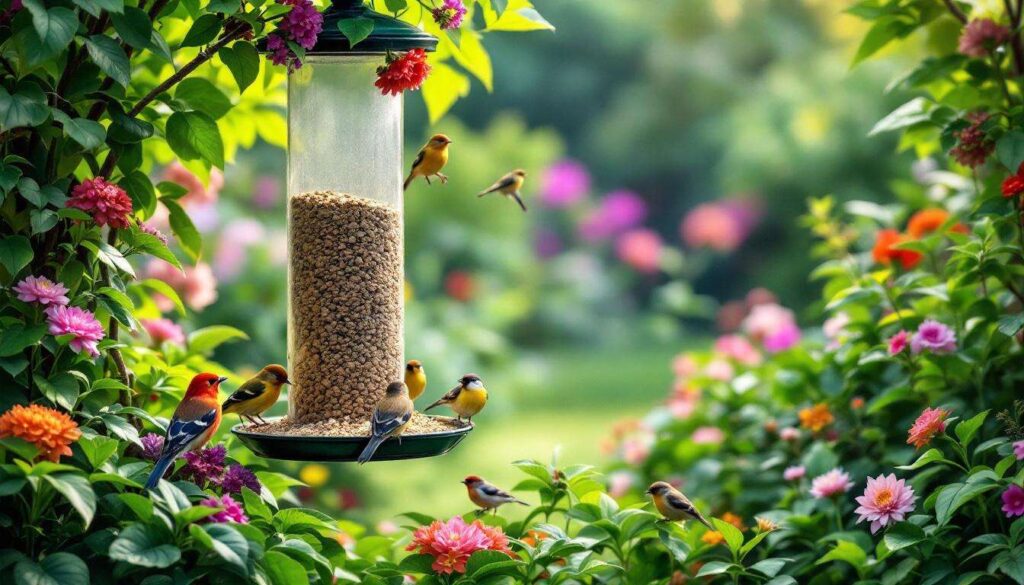
Attracting birds to your garden brings joy and vitality to outdoor spaces, but knowing what to offer these feathered visitors is essential for their health and survival. Many well-intentioned bird enthusiasts unknowingly place harmful foods in their feeders, which can lead to serious health complications or even death. Understanding which items to exclude from bird feeders ensures that the birds visiting your garden remain healthy, vibrant, and able to thrive in their natural environment. This guide explores fourteen foods and substances that should never find their way into your bird feeder, explaining the risks they pose and offering safer alternatives.
Foods to Avoid for Birds’ Well-being
Old and Spoiled Seeds
Never offer old, spoiled, or damp seed mixes in your bird feeder. Seeds that have been stored improperly or for too long become rancid and develop moulds capable of producing deadly toxins. The American Bird Conservancy emphasises that mouldy seeds can harbour aflatoxins, which are particularly dangerous to birds and can cause fatal liver damage. Always check seed freshness before filling feeders and discard any that smell musty or appear discoloured.
Pet Food and Commercial Animal Products
Pet food designed for cats or dogs should never be placed in bird feeders. These products contain ingredients and nutritional balances specifically formulated for mammals, not avian species. The high protein content and additives in pet food can cause digestive distress and nutritional imbalances in wild birds. Additionally, dry pet food can expand in a bird’s stomach when moisture is absorbed, leading to dangerous blockages.
Bread and Baked Goods
Although bread and pastries may seem like harmless treats, they offer little nutritional value to birds and can cause significant harm. Bread can clump together in birds’ stomachs, creating blockages and preventing proper digestion. Furthermore, these starchy foods do not provide the essential nutrients, vitamins, and minerals that birds require for optimal health. Young birds fed predominantly on bread can develop malnutrition and skeletal deformities.
Popcorn and Rice
Both popcorn and rice present digestive challenges for birds:
- Uncooked rice can be difficult for birds to digest and may expand in their digestive systems
- Popcorn kernels, especially unpopped ones, pose choking hazards
- Salted or buttered popcorn introduces harmful fats and sodium
- These foods provide minimal nutritional benefit compared to natural bird foods
Understanding why certain foods cause harm helps explain the importance of selecting appropriate alternatives that support avian health.
Reasons to Avoid Certain Foods
Toxic Compounds in Common Foods
Several everyday foods contain compounds that are highly toxic to birds, even in small quantities. Chocolate contains theobromine, a stimulant that birds cannot metabolise effectively, leading to increased heart rate, seizures, and potentially death. Similarly, avocados contain persin, a fungicidal toxin that can cause respiratory distress, heart damage, and death in many bird species. Even small amounts of these substances can prove fatal.
Caffeine and Stimulants
Coffee beans, coffee grounds, and tea should never be offered to birds. Caffeine is extremely toxic to avian species, affecting their cardiovascular and nervous systems. Birds that consume caffeine may experience hyperactivity, increased heart rate, arrhythmias, and cardiac arrest. The concentration of caffeine in coffee products makes even small amounts dangerous.
Stone Fruit Pits and Seeds
The pits of cherries, apricots, peaches, and plums contain cyanogenic compounds that release cyanide when digested. Whilst birds may safely consume the flesh of these fruits, the pits pose a serious poisoning risk. Apple seeds contain similar compounds, though in smaller concentrations. Always remove pits and seeds before offering fruit to birds.
Honey and Sugar-Based Products
Honey can harbour bacterial spores, including those that cause botulism, which can be fatal to birds. Additionally, honey can ferment in feeders, creating alcohol that is toxic to birds. Sugar-based products and artificial sweeteners offer no nutritional value and can lead to obesity, liver problems, and metabolic disorders in birds.
Beyond naturally toxic foods, many processed items pose equally serious risks to bird health.
Processed Foods: a Hidden Threat
Fried and Fatty Foods
Fried foods and those high in saturated fats are particularly unhealthy for birds. These foods can cause digestive issues, obesity, and liver disease. Birds’ digestive systems are not designed to process the high fat content found in fried foods, leading to:
- Fatty liver disease
- Reduced flight capability due to excess weight
- Decreased immune function
- Shortened lifespan
Foods Containing Preservatives and Additives
Processed foods often contain preservatives, artificial colours, and flavour enhancers that can be harmful to birds. These chemicals accumulate in birds’ systems and can cause long-term health problems. Avoid offering any foods with ingredient lists that include artificial additives, as birds’ smaller body sizes make them more vulnerable to toxic effects.
Table Scraps and Leftovers
Well-meaning individuals often place table scraps in bird feeders, but this practice introduces numerous risks. Leftovers may contain salt, spices, sauces, and other seasonings that are harmful to birds. Additionally, cooked foods can spoil quickly in outdoor feeders, creating bacterial growth that causes illness.
Whilst processed foods present chemical dangers, naturally occurring hazards in improperly stored seeds require equal attention.
The Dangers of Mouldy Seeds
Aflatoxin Contamination
Mouldy seeds produce aflatoxins, toxic compounds created by certain fungi that grow on damp or old seeds. These toxins cause severe liver damage and can be fatal to birds even in small doses. Aflatoxin poisoning symptoms include lethargy, loss of appetite, and sudden death. Regular cleaning of feeders and proper seed storage are essential to prevent mould growth.
Signs of Contaminated Seeds
Recognising contaminated seeds helps prevent offering dangerous food to birds:
| Warning Sign | What to Look For |
|---|---|
| Visual appearance | Discolouration, clumping, or visible mould growth |
| Smell | Musty, sour, or otherwise unpleasant odours |
| Texture | Seeds that feel damp, sticky, or unusually soft |
| Age | Seeds stored for more than six months |
Proper Storage and Maintenance
Preventing mould requires proper storage practices. Store bird seed in airtight containers in cool, dry locations. Clean feeders regularly with a diluted bleach solution, rinsing thoroughly and allowing them to dry completely before refilling. Remove uneaten seed that has been exposed to rain or snow immediately.
Beyond the risks of contaminated seeds, certain common ingredients pose specific metabolic dangers to birds.
Impact of Salty and Sugary Foods on Birds
Salt Toxicity in Birds
Salt is extremely dangerous to birds, as their kidneys cannot process high sodium levels effectively. Even small amounts of salt can cause excessive thirst, dehydration, kidney failure, and death. Birds have a much lower tolerance for salt than mammals, making foods that seem only mildly salty to humans potentially lethal to birds. Avoid offering salted nuts, crisps, crackers, or any processed foods containing added sodium.
Sugar and Metabolic Problems
Whilst birds do consume natural sugars from fruits and nectar, refined sugars in processed foods can cause serious health issues. Excessive sugar consumption leads to obesity, diabetes-like conditions, and liver disease in birds. Sugary foods also promote bacterial growth in feeders and can ferment, creating alcohol that is toxic to birds.
Long-term Health Consequences
Regular consumption of salty or sugary foods creates cumulative damage:
- Cardiovascular disease from high sodium intake
- Organ damage, particularly to kidneys and liver
- Compromised immune systems making birds vulnerable to disease
- Reduced breeding success and lower survival rates for offspring
Fortunately, numerous safe and nutritious options exist for those wishing to support their local bird populations.
Healthy Alternatives for Feeding Birds
Recommended Seed Varieties
High-quality seeds specifically designed for wild birds provide optimal nutrition. Black oil sunflower seeds offer excellent energy content and are favoured by many species. Nyjer seeds attract finches, whilst white proso millet appeals to ground-feeding birds. Purchase seeds from reputable suppliers and check packaging dates to ensure freshness.
Fresh Fruits and Vegetables
Many birds enjoy fresh produce that provides vitamins and hydration. Safe options include:
- Apples (with seeds removed)
- Berries of all varieties
- Grapes cut in half
- Melon chunks
- Leafy greens such as lettuce or spinach
Protein Sources
Birds require protein, especially during breeding season. Offer mealworms, suet cakes without added salt, or commercially prepared insect-based bird foods. These provide essential amino acids that support feather growth, egg production, and overall health.
Species-Specific Foods
Different bird species have varying dietary requirements:
| Bird Type | Recommended Foods |
|---|---|
| Finches | Nyjer seeds, sunflower hearts |
| Woodpeckers | Suet, peanuts in shells |
| Thrushes | Mealworms, fruit, berries |
| Tits | Sunflower seeds, peanuts, fat balls |
Providing fresh, clean water alongside appropriate foods creates a complete feeding station that supports bird health throughout the year.
Creating a safe feeding environment for garden birds requires knowledge, attention, and commitment to their wellbeing. By avoiding the fourteen harmful foods outlined here and instead offering species-appropriate, fresh, and nutritious alternatives, bird enthusiasts can ensure their feathered visitors remain healthy and vibrant. Regular feeder maintenance, proper seed storage, and careful selection of bird foods contribute to thriving bird populations that will continue to grace gardens with their presence for years to come.