



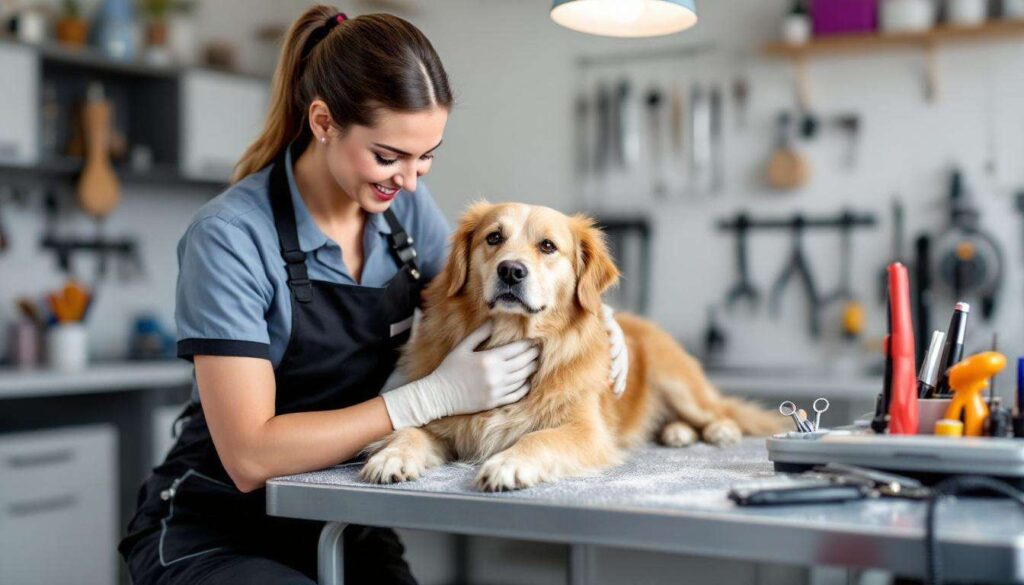
Dog grooming salons have evolved far beyond simple bathing and trimming services. Across the United Kingdom, a quiet revolution is taking place as groomers increasingly recognise their responsibility extends to emergency preparedness. The integration of pet first aid training into professional grooming qualifications represents a significant shift in industry standards, one that could mean the difference between life and death for beloved companion animals. As grooming sessions can occasionally trigger unexpected medical events, from allergic reactions to heat stress, the presence of a first aid-trained professional provides an essential safety net for pet owners who entrust their animals to these establishments.
The importance of first aid training for dog groomers
Unique risks within the grooming environment
The grooming environment presents specific hazards that differ markedly from typical veterinary settings. Dogs may experience stress-induced cardiac events, slip on wet surfaces causing fractures, or suffer cuts from grooming equipment. Heat exhaustion remains a particular concern during the drying process, especially for brachycephalic breeds with compromised respiratory systems. Groomers trained in first aid can immediately recognise warning signs such as excessive panting, disorientation or collapse, implementing cooling protocols before the situation becomes critical.
Legal and professional responsibilities
Professional groomers operate under a duty of care that extends beyond aesthetic results. Whilst not legally mandated across all regions, first aid certification demonstrates professional competence and reduces liability exposure. Insurance providers increasingly favour establishments where staff hold recognised qualifications, often offering reduced premiums as acknowledgement of decreased risk. This training also builds client confidence, as pet owners naturally prefer facilities where emergencies can be managed competently.
Statistical evidence supporting training necessity
| Emergency type | Frequency in grooming salons | Outcome with trained staff |
|---|---|---|
| Heat-related incidents | 18% of reported emergencies | 92% positive resolution |
| Cuts and lacerations | 34% of reported emergencies | 87% managed without veterinary intervention |
| Allergic reactions | 12% of reported emergencies | 95% stabilised before veterinary arrival |
| Seizures | 8% of reported emergencies | 89% safely managed |
These statistics underscore how preparedness directly correlates with positive outcomes, establishing first aid training as an investment rather than an optional extra. Understanding how training translates into practical accident prevention requires examining the mechanisms through which knowledge becomes protective action.
How first aid training can prevent accidents
Recognition of early warning signs
First aid courses emphasise preventative observation, teaching groomers to identify subtle indicators of distress before they escalate into emergencies. Trained professionals learn to assess baseline behaviour, noting deviations such as unusual lethargy, excessive drooling or respiratory changes. This proactive monitoring enables intervention at early stages, potentially preventing conditions like bloat or cardiac episodes from progressing to life-threatening states.
Environmental modifications based on training insights
Knowledge gained through first aid education often prompts groomers to reassess their working environments. Practical modifications include:
- Installing non-slip matting throughout bathing and drying areas to prevent falls
- Maintaining temperature-controlled spaces with adequate ventilation
- Positioning emergency equipment such as muzzles, blankets and oxygen supplies within immediate reach
- Establishing clear evacuation protocols for smoke or chemical exposure scenarios
- Creating designated calm zones for anxious animals showing stress indicators
Handling techniques that reduce injury risk
Certified courses teach restraint methods that minimise both human and canine injury. Groomers learn to recognise body language indicating fear or aggression, adjusting their approach accordingly. Proper lifting techniques protect against back injuries whilst reducing the likelihood of dropping animals, and understanding pressure points allows for gentle but effective control during procedures that might otherwise provoke defensive reactions. These foundational skills form the building blocks of comprehensive emergency preparedness, which is systematically developed through structured educational programmes.
Essential steps of a pet first aid course
Initial assessment and triage protocols
Courses begin with systematic evaluation techniques, teaching the ABC approach: airway, breathing and circulation. Groomers learn to conduct rapid assessments, checking gum colour for circulation status, monitoring respiratory rate and ensuring airway patency. This triage methodology enables prioritisation when multiple issues present simultaneously, ensuring the most critical conditions receive immediate attention.
Cardiopulmonary resuscitation techniques
Practical CPR training forms a cornerstone of certification programmes. Participants practise on canine mannequins, learning breed-specific compression depths and rates. Key components include:
- Chest compression placement varying by body size and conformation
- Rescue breathing methods adapted for different muzzle shapes
- Recognition of when CPR should commence and when to cease attempts
- Two-person coordination techniques for sustained resuscitation efforts
Wound management and bleeding control
Participants master pressure application techniques for various wound types, from minor clipper burns to severe lacerations. Training covers appropriate bandaging methods, recognising when tourniquets are necessary, and understanding the risks of over-tightening. Groomers also learn to assess wound contamination levels and make informed decisions about whether immediate veterinary referral is required or if basic cleaning and monitoring suffices.
Poisoning and allergic reaction responses
Given the chemical products present in grooming environments, courses dedicate substantial time to toxicity protocols. Training encompasses identification of common poisonous substances, appropriate decontamination procedures, and recognition of anaphylactic shock symptoms. Groomers learn when to induce vomiting and, critically, when this intervention could cause additional harm. With these practical competencies established, selecting the appropriate training programme becomes the next crucial consideration.
Criteria for selecting a first aid course
Accreditation and recognition standards
Prospective participants should verify that courses carry recognised certification from established organisations. Accredited programmes meet defined educational standards, ensuring comprehensive curriculum coverage and qualified instructors. Certification validity periods vary, with most requiring renewal every three years to maintain current knowledge as veterinary emergency protocols evolve.
Practical versus theoretical balance
Effective courses allocate significant time to hands-on practice rather than purely theoretical instruction. The ideal ratio involves approximately 60% practical application, allowing participants to develop muscle memory for techniques like bandaging and CPR. Courses incorporating scenario-based learning, where groomers respond to simulated emergencies, provide particularly valuable preparation for real-world situations.
Course format and accessibility considerations
| Format | Duration | Advantages | Limitations |
|---|---|---|---|
| Single-day intensive | 6-8 hours | Minimal time away from business | Information overload potential |
| Multi-session programme | 4 weeks (2 hours weekly) | Better retention through spaced learning | Extended commitment required |
| Hybrid online/practical | Flexible completion | Theory completed at own pace | Requires self-discipline |
Geographical location influences accessibility, with urban groomers typically having more options than rural practitioners. However, mobile training providers increasingly service remote areas, bringing certification opportunities to previously underserved regions. The tangible benefits of this education become most apparent through the experiences of those who have completed training and applied their knowledge in critical moments.
Testimonials from dog groomers trained in first aid techniques
Life-saving interventions during routine appointments
Groomers across the country report incidents where training proved invaluable. One professional described recognising the early signs of bloat in a large breed dog mid-grooming session, immediately contacting the owner and veterinary surgery. The rapid response, facilitated by confident symptom identification, enabled surgical intervention within the critical time window. Another groomer successfully managed a seizure episode, protecting the animal from injury and providing reassurance to distressed staff members unfamiliar with such events.
Confidence enhancement in daily practice
Beyond dramatic rescues, certified groomers emphasise how training enhances everyday confidence. The knowledge that they possess skills to handle emergencies reduces workplace anxiety, particularly when grooming elderly animals or breeds predisposed to health complications. This assurance translates into calmer handling, which animals sense, creating a more positive grooming experience overall.
Client relationship strengthening
Groomers note that displaying certification prominently and discussing their training with clients builds trust and loyalty. Pet owners appreciate the additional safety layer, often specifically seeking out certified professionals. This competitive advantage frequently justifies premium pricing, as clients recognise the value of enhanced safety protocols. As individual success stories accumulate, they contribute to broader industry trends that are reshaping professional standards across the sector.
The future of first aid training among British groomers
Movement towards mandatory certification
Industry bodies are increasingly advocating for compulsory first aid qualifications as part of professional grooming credentials. Whilst currently voluntary in most regions, the trajectory suggests regulatory frameworks may eventually require certification for business licensing. This shift mirrors developments in other animal care sectors, where emergency preparedness has transitioned from optional to essential.
Technological integration in training delivery
Emerging technologies are revolutionising how groomers access and retain first aid knowledge. Virtual reality simulations offer immersive training experiences, allowing practitioners to rehearse emergency responses in realistic but consequence-free environments. Mobile applications provide quick-reference guides during actual emergencies, whilst online refresher modules enable ongoing skill maintenance between formal recertification cycles.
Collaborative networks and knowledge sharing
Trained groomers are establishing peer support networks where experiences and best practices are shared. These communities facilitate continuous learning beyond formal course completion, with members discussing challenging cases and emerging techniques. Such collaboration elevates standards across the profession, creating a culture where emergency preparedness is normalised rather than exceptional.
The integration of pet first aid training into dog grooming practice represents a fundamental evolution in professional responsibility and animal welfare standards. From recognising early warning signs to executing life-saving interventions, trained groomers provide an essential safety resource for the animals in their care. The comprehensive nature of certification programmes, covering everything from CPR to toxicity management, equips professionals with versatile skills applicable across diverse emergency scenarios. As the industry moves towards potential mandatory requirements and embraces technological training enhancements, the presence of first aid-certified groomers will increasingly become the expected norm rather than a distinguishing feature. For pet owners, this progression offers reassurance that their companions receive care from professionals prepared to respond effectively when unexpected medical crises arise, potentially making the critical difference in outcomes that determine whether an animal survives an emergency.