


The relationship between primates and alcohol has long intrigued scientists seeking to understand the evolutionary origins of human dietary preferences. Recent research has unveiled a remarkable pattern amongst wild chimpanzees, revealing that these great apes consume substantial quantities of alcohol on a daily basis through their natural fruit-based diet. This discovery challenges previous assumptions about alcohol consumption in non-human primates and provides compelling evidence for theories linking our own species’ attraction to ethanol with ancient evolutionary adaptations. By examining the dietary habits of our closest living relatives, researchers have opened a fascinating window into behaviours that may have shaped human evolution over millions of years.
The Surprising Alcoholism of Wild Chimpanzees
Quantifying Daily Ethanol Intake
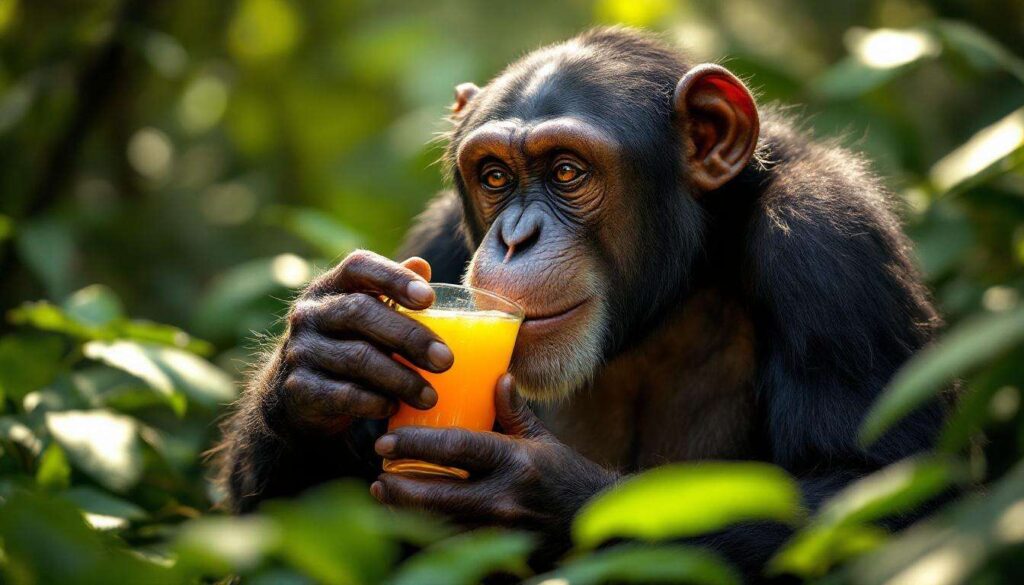
Researchers have documented that wild chimpanzees consume approximately 14 grams of ethanol per day, a figure that corresponds to roughly one standard drink according to measurements used in the United States. However, when adjusted for body weight differences, this consumption becomes even more striking. With chimpanzees averaging around 40 kilograms compared to the typical human weight of 70 kilograms, the proportional intake equates to nearly two beers daily for an average-sized person. This consistent pattern occurs in both male and female chimpanzees across different populations studied in their natural African habitats.
Fruit Consumption as the Primary Source
The alcohol consumed by chimpanzees originates from their substantial fruit intake, which forms a cornerstone of their diet:
- Chimpanzees consume up to 4 kilograms of fruit per day
- Sugar-rich varieties such as figs and plums are particularly favoured
- Ripe fruits naturally undergo fermentation processes
- Ethanol concentrations increase as fruits reach peak ripeness
This remarkable dietary pattern demonstrates that alcohol consumption amongst wild chimpanzees is neither accidental nor occasional, but rather a regular consequence of their evolutionary adaptation to fruit-rich environments. Understanding where this behaviour originated requires examining the ecological conditions that shaped primate feeding strategies over millennia.
The Origins of Alcohol Consumption in Chimpanzees
Natural Fermentation in Tropical Environments
The tropical forests inhabited by chimpanzees create ideal conditions for natural fermentation processes. High temperatures and humidity levels accelerate the breakdown of sugars within ripe fruits, leading to ethanol production. Yeasts present on fruit skins convert these sugars into alcohol, particularly when fruits become overripe or damaged. Chimpanzees have evolved to recognise and preferentially select these fermented fruits, suggesting a long-standing relationship between primates and naturally occurring alcohol.
Evolutionary Advantages of Fruit Selection
The preference for ripe, potentially fermented fruits may have provided several evolutionary benefits:
| Advantage | Description |
|---|---|
| Caloric density | Fermented fruits often contain higher sugar concentrations |
| Antimicrobial properties | Ethanol may help protect against harmful pathogens |
| Olfactory cues | Fermentation produces distinctive aromas aiding fruit detection |
| Nutritional availability | Fermentation can increase bioavailability of certain nutrients |
These adaptations suggest that chimpanzees have developed physiological mechanisms to metabolise alcohol efficiently, a trait that may have profound implications for understanding human alcohol metabolism. This evolutionary perspective has given rise to a compelling theoretical framework that attempts to explain why humans possess such a strong affinity for alcoholic substances.
The Drunken Monkey Hypothesis: a Relevant Explanation ?
Theoretical Framework and Core Principles
The drunken monkey hypothesis, formulated by biologist Robert Dudley, proposes that the human attraction to alcohol stems from our primate ancestors’ adaptation to consuming fermented fruits. According to this theory, early primates that could detect and efficiently metabolise ethanol gained a selective advantage in locating high-energy food sources. The ability to tolerate and even seek out alcohol-containing fruits would have enhanced survival by providing access to calorie-dense resources in competitive forest environments.
Evidence Supporting the Hypothesis
The recent findings regarding chimpanzee alcohol consumption provide substantial support for this evolutionary model:
- Chimpanzees share approximately 98% of their DNA with humans
- Both species possess enzymes capable of breaking down ethanol efficiently
- The consistent daily consumption patterns suggest genetic adaptations rather than learned behaviour
- Similar dietary preferences exist across multiple primate species
Limitations and Ongoing Debates
Whilst the hypothesis offers an elegant explanation, some researchers question whether the levels of naturally occurring ethanol in fruits would have been sufficient to drive such significant evolutionary adaptations. Critics argue that fermentation levels in wild fruits typically remain relatively low, and that other factors may have contributed more substantially to human alcohol preferences. Nevertheless, the direct measurements obtained from wild chimpanzee populations provide the most concrete evidence to date supporting this evolutionary framework. Examining how alcohol actually affects chimpanzee behaviour provides further insights into these ancient adaptations.
The Impact of Alcohol on Chimpanzee Behaviour
Observable Behavioural Changes
Researchers conducting field observations have noted that chimpanzees consuming fermented fruits do not typically display obvious signs of intoxication. This suggests that these primates have developed a high tolerance for ethanol through evolutionary adaptation. However, subtle behavioural changes may occur that require careful observation to detect, including slight alterations in social interactions, feeding patterns, and activity levels during periods of high fruit consumption.
Metabolic Adaptations
The ability to regularly consume alcohol without apparent impairment indicates sophisticated physiological adaptations:
| Adaptation | Function |
|---|---|
| Enhanced liver enzymes | Rapid breakdown of ethanol molecules |
| Efficient acetaldehyde processing | Reduces toxic byproduct accumulation |
| Neural tolerance mechanisms | Maintains cognitive function during consumption |
These metabolic capabilities demonstrate that regular alcohol exposure has shaped chimpanzee physiology over countless generations, creating a biological system capable of extracting nutritional benefits whilst minimising potential harms. This pattern of adaptation extends beyond chimpanzees to encompass a broader range of species with similar dietary habits.
Similarities with Other Species: an Ancestral Habit
Alcohol Consumption Across Primate Species
Chimpanzees are not alone in their consumption of naturally fermented foods. Multiple primate species have been observed engaging in similar behaviours, suggesting that this trait represents an ancestral characteristic inherited from common evolutionary predecessors. Observations of gorillas, orangutans, and various monkey species indicate that the attraction to fermented fruits may be widespread amongst primates inhabiting tropical and subtropical environments.
Non-Primate Examples
The phenomenon extends beyond primates to include numerous other animal species:
- Tree shrews in Malaysia regularly consume fermented nectar from bertam palms
- Fruit bats exhibit preferences for overripe, fermenting fruits
- Various bird species seek out fermented berries during winter months
- Elephants have been documented consuming fermented marula fruits
Evolutionary Convergence
These widespread patterns suggest that alcohol consumption may represent a convergent evolutionary strategy adopted by diverse species facing similar ecological pressures. The ability to locate and metabolise ethanol-containing foods provides access to valuable caloric resources, particularly during periods when other food sources become scarce. This cross-species perspective reinforces the notion that human alcohol consumption has deep evolutionary roots extending far beyond our immediate primate ancestry. These findings carry significant implications for how we approach wildlife conservation and future scientific investigations.
Implications for Conservation and Future Research
Conservation Considerations
Understanding the dietary requirements of wild chimpanzees, including their regular consumption of fermented fruits, has important ramifications for conservation strategies. Habitat preservation efforts must ensure that protected areas contain sufficient quantities of fruit-bearing trees capable of supporting chimpanzee populations. As tropical forests face increasing threats from deforestation and climate change, maintaining the diversity of fruit species becomes crucial for sustaining wild chimpanzee communities and their traditional dietary patterns.
Research Methodologies and Future Directions
The study represents a significant methodological advancement, being the first to directly measure ethanol levels in fruits consumed by chimpanzees within their natural habitats across locations in Ivory Coast and Uganda. This approach opens new avenues for investigation:
- Long-term monitoring of seasonal variations in fruit fermentation levels
- Comparative studies across different chimpanzee populations and subspecies
- Investigation of potential health impacts from chronic alcohol exposure
- Examination of social and cultural transmission of fruit selection preferences
- Analysis of genetic variations in alcohol metabolism amongst wild populations
Broader Scientific Implications
These findings contribute to our understanding of human evolutionary history by demonstrating that dietary behaviours we often consider uniquely human actually have ancient origins shared with our closest relatives. The research highlights how studying animal behaviour can illuminate aspects of human biology, psychology, and cultural practices. Future investigations may reveal additional unexpected connections between human characteristics and the evolutionary adaptations of our primate ancestors, further enriching our comprehension of what makes us human whilst acknowledging our deep connections to the natural world.
The discovery that wild chimpanzees regularly consume significant quantities of alcohol through their natural diet represents a remarkable insight into primate evolution and behaviour. By documenting daily ethanol intake equivalent to one or two standard drinks, researchers have provided compelling evidence supporting theories about the evolutionary origins of human alcohol consumption. The drunken monkey hypothesis gains substantial credibility through these findings, suggesting that our attraction to alcohol may indeed stem from adaptations developed by fruit-eating ancestors millions of years ago. These patterns extend across multiple species, indicating that alcohol consumption represents an ancestral trait shaped by ecological pressures in tropical environments. As conservation challenges intensify and research methodologies advance, continued investigation of wild chimpanzee dietary habits promises to yield further revelations about both their lives and our own evolutionary heritage.