



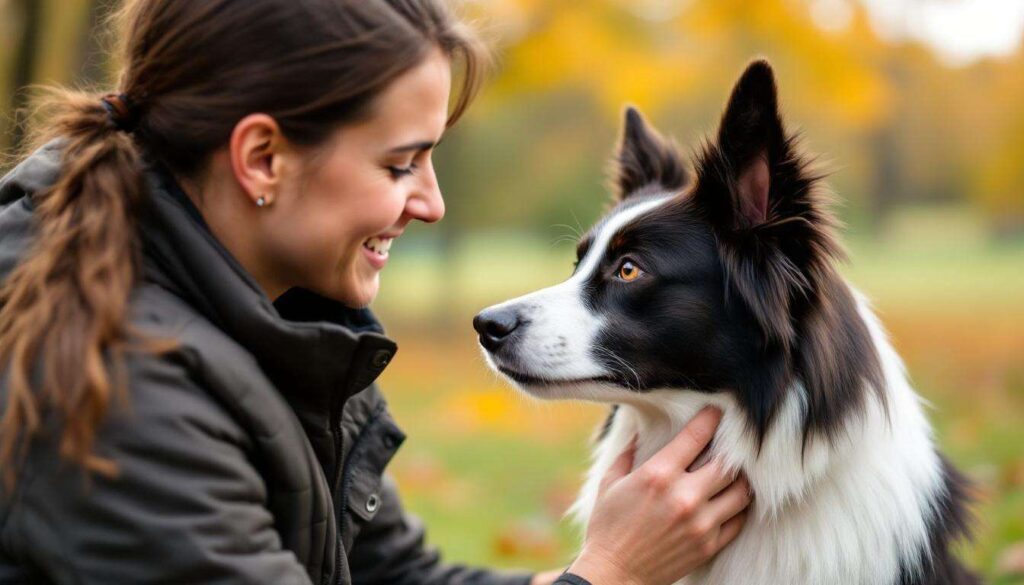
Every dog owner knows the challenge of competing for their pet’s focus amidst countless distractions. Whether it’s a squirrel darting across the garden, another dog approaching during a walk, or simply the allure of an interesting scent, capturing and maintaining your dog’s attention forms the cornerstone of successful training. Mastering this skill transforms everyday interactions, strengthens the bond between owner and dog, and lays the foundation for teaching more complex commands and behaviours.
Understanding the importance of canine attention
Why attention training matters
Attention training represents far more than a simple trick to impress friends. It establishes a communication channel between you and your dog, creating a partnership built on mutual understanding and respect. When your dog learns to focus on you, distractions lose their power, and unwanted behaviours such as pulling on the lead, jumping on visitors, or ignoring recall commands diminish significantly.
Dogs that pay attention to their owners demonstrate higher levels of engagement during training sessions, making it easier to teach new skills and reinforce existing ones. This attentiveness also enhances safety, particularly in environments where potential hazards exist, such as busy streets or parks with off-lead dogs.
The benefits of a focused dog
A dog that regularly checks in with their owner exhibits several advantages:
- improved obedience and responsiveness to commands
- reduced anxiety in unfamiliar situations
- stronger bond between dog and owner
- enhanced safety during walks and outdoor activities
- better impulse control around distractions
These benefits extend beyond formal training sessions, influencing your dog’s behaviour throughout daily life and creating a more harmonious household. Building this foundation of attention requires patience and consistency, but the rewards justify the investment of time and effort.
Preparing your dog for training
Creating the right environment
Success in attention training begins with establishing an appropriate learning environment. Start in a quiet, familiar space with minimal distractions where your dog feels comfortable and secure. A living room or quiet corner of the garden often works well for initial sessions. Eliminate potential interruptions such as televisions, other pets, or household members moving about.
As your dog’s focus improves, gradually introduce distractions in a controlled manner. This progressive approach, known as systematic desensitisation, helps your dog build confidence and maintains their motivation throughout the learning process.
Essential tools and rewards
Gather the necessary equipment before beginning training sessions:
- high-value treats that your dog finds irresistible
- a clicker or marker word for precise timing
- a comfortable collar or harness
- a short lead for controlled practice
- toys as alternative rewards for play-motivated dogs
Choose treats that are small, soft, and easy to consume quickly, preventing lengthy breaks between repetitions. Reserve the most appealing rewards exclusively for attention training to maintain their value and effectiveness. With these preparations complete, you can move forward to the practical techniques that capture your dog’s focus.
The key steps to capture your dog’s attention
The “look at me” foundation
The solicited attention technique forms the basis of attention training. Begin by holding a treat near your face, encouraging your dog to make eye contact. The moment their eyes meet yours, mark the behaviour with a clicker or verbal marker such as “yes” and immediately deliver the reward. Repeat this process multiple times during short sessions of three to five minutes.
After several successful repetitions, introduce your chosen verbal cue, such as “look” or “watch me”, just before your dog makes eye contact. This associates the command with the desired behaviour, enabling you to request attention on demand in future situations.
Capturing natural check-ins
Dogs naturally glance at their owners periodically, and capturing these spontaneous moments reinforces voluntary attention. Whenever your dog looks at you without prompting, immediately reward this behaviour. This technique, known as auto check-in, encourages your dog to offer attention proactively rather than waiting for a command.
Practice this method during walks, in the garden, or whilst relaxing at home. The unpredictability of rewards creates a powerful reinforcement schedule that maintains your dog’s interest and motivation over time.
Progressive distraction training
Once your dog reliably responds in quiet environments, systematically increase the level of difficulty:
- practise in different rooms of your home
- move to the garden with mild distractions
- train in quiet outdoor locations
- gradually introduce more challenging environments
- work near other dogs or people at a distance
Each step should only progress when your dog demonstrates consistent success at the current level. Rushing through stages often leads to confusion and setbacks, whilst patient progression builds solid, reliable attention skills. These structured steps naturally lead to understanding how rewards shape behaviour.
Using positive reinforcement for effective results
The science behind rewards
Positive reinforcement operates on a simple principle: behaviours that produce pleasant outcomes increase in frequency. When your dog receives a reward for paying attention, their brain forms a positive association with the behaviour, making them more likely to repeat it in future situations.
This approach proves far more effective than punishment-based methods, which can damage the bond between owner and dog whilst creating anxiety and fear. Dogs trained with positive reinforcement display greater enthusiasm, learn more quickly, and retain skills more reliably over time.
Timing and consistency
The effectiveness of positive reinforcement depends heavily on precise timing. Rewards must arrive within one to two seconds of the desired behaviour to create a clear connection in your dog’s mind. Delayed rewards confuse dogs about which action earned the treat, slowing the learning process.
| Timing | Effect on learning |
|---|---|
| Immediate (under 2 seconds) | Clear association, rapid learning |
| Delayed (3-5 seconds) | Weakened association, slower progress |
| Late (over 5 seconds) | Confusion, incorrect associations |
Consistency across all family members ensures your dog receives uniform feedback, preventing confusion and accelerating progress. Everyone interacting with your dog should use identical cues and reward criteria to maintain clarity. With these principles established, teaching specific commands becomes straightforward.
Teaching your dog the “Look at me” command
Step-by-step instruction
Teaching a formal “look at me” command provides a reliable tool for redirecting your dog’s attention in any situation. Begin with your dog sitting or standing calmly in front of you. Hold a treat between your thumb and forefinger, then slowly move it towards your eyes whilst saying your chosen cue word.
When your dog’s eyes follow the treat to your face, mark and reward immediately. Practise this sequence ten to fifteen times per session, gradually reducing the lure movement until your dog responds to the verbal cue alone. This typically requires three to seven days of consistent practice.
Adding duration and distance
Once your dog reliably makes eye contact on cue, begin extending the duration before rewarding. Start with just one second of maintained eye contact, then gradually increase to three, five, and eventually ten seconds. This teaches your dog that sustained attention earns rewards, not just a quick glance.
Similarly, practise the command at varying distances, starting close and progressively moving further away. This ensures your dog responds regardless of your position relative to them, creating flexibility for real-world applications. These skills require ongoing practice to remain sharp and reliable.
Tips to maintain your dog’s engagement
Keeping training sessions fresh
Dogs, like humans, experience boredom with excessive repetition. Vary your training routine to maintain enthusiasm and prevent staleness. Alternate between different attention exercises, change training locations frequently, and incorporate play breaks between repetitions. Short, frequent sessions of five to ten minutes prove more effective than lengthy, monotonous practices.
Introduce novel sounds or visual cues occasionally to recapture wandering attention. A unique whistle, tongue click, or hand clap can refocus your dog when standard cues lose their impact, though these should complement rather than replace your primary attention command.
Real-world application strategies
Transfer training room skills to everyday situations through deliberate practice:
- request attention before opening doors
- ask for eye contact before meal times
- practise during television commercial breaks
- incorporate attention cues during walks
- use the command before greeting visitors
These regular applications reinforce the behaviour whilst demonstrating its practical value. Your dog learns that attention yields access to desired resources and experiences, strengthening their motivation to offer focus voluntarily.
Mastering canine attention requires dedication and patience, but the results transform the relationship between dog and owner. Through understanding the importance of focus, preparing appropriately, following structured steps, applying positive reinforcement, teaching specific commands, and maintaining engagement, any dog can learn to offer reliable attention. This fundamental skill opens doors to advanced training whilst creating a deeper bond built on communication and mutual respect. The investment of time and effort yields a responsive, engaged companion ready to navigate the world alongside you with confidence and trust.