



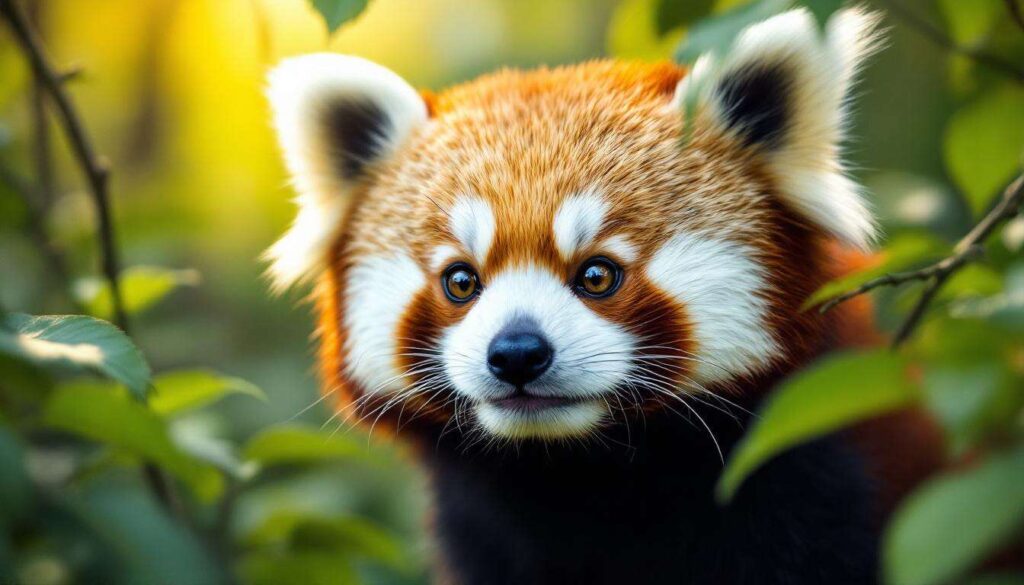
The arrival of a young red panda at a British zoo represents more than just an addition to the animal collection. This event symbolises a crucial step in the fight to preserve one of the planet’s most vulnerable species. With fewer than 10,000 individuals remaining in their natural habitat, every birth and every successful introduction within conservation programmes carries immense significance for the future of these remarkable creatures.
A new arrival at Hertfordshire Zoo
The introduction of a promising female
Hertfordshire Zoo has recently welcomed a 17-month-old female red panda who has travelled from Slovakia to join the institution’s conservation efforts. This young individual arrived as part of a carefully coordinated European breeding programme managed by the European Association of Zoos and Aquaria. Her presence at the zoo marks a significant milestone in the ongoing efforts to maintain genetic diversity within captive populations.
The newcomer has been introduced to the zoo’s resident male, creating what conservationists hope will become a successful breeding pair. The zoo’s facilities have been specifically designed to replicate the natural environment of red pandas, featuring:
- Elevated platforms and climbing structures mimicking their arboreal habitat
- Temperature-controlled areas suitable for their mountain-dwelling nature
- Bamboo plantations providing their primary food source
- Secluded nesting areas for potential future breeding
A name honouring conservation heroes
The young female’s name pays tribute to a prominent conservationist working with the Red Panda Network in Nepal. This organisation has been instrumental in habitat restoration projects throughout the eastern Himalayas, where red pandas face their greatest threats. The naming choice reflects the zoo’s commitment to recognising the tireless work of field conservationists who operate on the front lines of species protection.
Hertfordshire Zoo has previously demonstrated its capability in red panda breeding, having successfully raised a cub in 2022. This track record provides optimism for the current pairing and reinforces the institution’s role within the broader conservation network.
The successful integration of new individuals into breeding programmes requires careful planning and expertise, which leads naturally to examining the broader obstacles facing red panda populations worldwide.
The challenges of red panda conservation
Habitat destruction in the Himalayas
The primary threat to red panda survival stems from extensive deforestation across their native range in the eastern Himalayas. These animals depend on specific forest ecosystems characterised by dense bamboo undergrowth and temperate conditions. As human populations expand and agricultural demands increase, these critical habitats continue to shrink at alarming rates.
| Threat factor | Impact level | Affected regions |
|---|---|---|
| Deforestation | Severe | Nepal, India, Bhutan, China, Myanmar |
| Poaching | Moderate to high | China, Myanmar |
| Climate change | Increasing | All range countries |
| Human encroachment | High | Nepal, India |
The illegal wildlife trade
Beyond habitat loss, red pandas face significant pressure from illegal poaching and trafficking. Their distinctive fur and perceived value in certain markets make them targets for wildlife criminals. Despite legal protections in all range countries, enforcement remains challenging in remote mountainous regions where these animals live.
Conservation organisations work continuously to combat these threats through community engagement programmes, anti-poaching patrols, and education initiatives aimed at reducing demand for wildlife products.
Population fragmentation concerns
As forests become increasingly fragmented, red panda populations become isolated from one another. This isolation creates genetic bottlenecks that can reduce the overall health and adaptability of the species. Small, disconnected populations are more vulnerable to:
- Inbreeding and reduced genetic diversity
- Local extinction events
- Disease outbreaks
- Environmental catastrophes
Understanding these multifaceted challenges provides context for why coordinated breeding programmes in zoological institutions have become so vital, particularly when considering the potential for successful pairings.
The hoped-for union between Liwei and Iris
Careful pairing through genetic management
The introduction of the young female to Hertfordshire Zoo’s male resident represents months of careful planning and genetic analysis. Breeding coordinators within the European programme examine detailed studbooks that track the lineage of every individual within the captive population. This meticulous approach ensures that pairings maximise genetic diversity whilst avoiding inbreeding.
The process of introducing two red pandas requires patience and expertise. Keepers initially allow the animals to become familiar with each other’s scents before permitting visual contact through barriers. Only when both individuals display appropriate behaviours are they allowed to share space under close supervision.
Breeding season considerations
Red pandas have a highly specific breeding window, typically occurring once annually during winter months. Females are receptive for only a brief period, making successful mating dependent on precise timing and compatibility between partners. The zoo’s animal care team monitors behavioural indicators and hormonal changes to optimise breeding opportunities.
Should mating prove successful, the gestation period lasts approximately 135 days, with births typically occurring in spring or early summer. Mothers require secluded nesting areas and minimal disturbance during this critical period.
Behavioural compatibility assessment
Beyond genetic suitability, the behavioural compatibility between potential breeding partners significantly influences success rates. Some individuals may simply not accept each other, requiring alternative pairings. Zoo professionals observe interaction patterns including:
- Scent marking behaviours
- Vocalisation patterns
- Proximity tolerance
- Play and grooming activities
The hope surrounding this particular pairing reflects the broader recognition that modern zoological institutions serve functions far beyond public entertainment.
The crucial role of zoos in species protection
Living repositories of genetic diversity
Contemporary zoos function as genetic reservoirs for endangered species, maintaining populations that may serve as insurance against extinction in the wild. For red pandas, the coordinated European breeding programme ensures that captive populations remain genetically viable and could potentially contribute to future reintroduction efforts.
These programmes operate through international cooperation, with institutions sharing animals, expertise, and resources. The European Association of Zoos and Aquaria coordinates breeding recommendations based on comprehensive genetic analyses, ensuring that each birth contributes meaningfully to species preservation.
Research and knowledge advancement
Zoological institutions provide unique opportunities for scientific research that would be impossible to conduct in wild settings. Studies on red panda nutrition, reproduction, behaviour, and health contribute to both captive management and wild conservation strategies. Veterinary advances developed in zoo settings often translate directly to improved care for wild populations.
| Research area | Conservation application |
|---|---|
| Reproductive biology | Improved breeding success rates |
| Nutritional requirements | Habitat quality assessment |
| Disease susceptibility | Health monitoring protocols |
| Behavioural ecology | Habitat management strategies |
Financial support for field conservation
Many zoological institutions channel significant resources toward in-situ conservation projects in red panda range countries. Visitor admission fees and donations often fund habitat restoration, anti-poaching efforts, and community development programmes that reduce pressure on wildlife. Hertfordshire Zoo’s connection with the Red Panda Network exemplifies this vital financial pipeline.
These multifaceted contributions position zoos as essential partners in global conservation networks, whilst the specific prospects for red panda populations at individual institutions deserve closer examination.
Future prospects for the red panda at the zoo
Potential breeding outcomes
Should the current pairing at Hertfordshire Zoo prove successful, the birth of cubs would represent a significant achievement for the European breeding programme. Each cub born in managed care contributes to the genetic diversity and numerical strength of the captive population, providing greater security against potential catastrophic losses in the wild.
The zoo’s previous success in 2022 demonstrates its capability to provide appropriate conditions for red panda reproduction and cub rearing. Experienced keepers understand the delicate balance required during the vulnerable early weeks of a cub’s life, when minimal disturbance is essential for maternal bonding and offspring survival.
Long-term population management
Beyond immediate breeding hopes, the presence of red pandas at Hertfordshire Zoo fits within long-term strategic planning for the species across European institutions. Breeding recommendations may change over time based on the overall population structure, with some individuals designated for breeding whilst others serve educational or ambassadorial roles.
As cubs mature, they typically transfer to other institutions where they can contribute to breeding efforts, ensuring that genetic material spreads throughout the managed population. This coordinated movement of animals requires extensive cooperation and shared commitment to species preservation.
Educational legacy development
The red pandas at Hertfordshire Zoo serve as living ambassadors for their wild counterparts, creating emotional connections between visitors and a species many would never otherwise encounter. These connections form the foundation for broader conservation support, as people who develop affinity for red pandas become more likely to support habitat protection initiatives.
The impact of these individual animals extends far beyond the boundaries of the zoo itself, influencing public attitudes and behaviours that ultimately determine the fate of countless wild species.
The importance of raising public awareness of biodiversity
Connecting visitors with conservation realities
Zoological institutions provide powerful platforms for communicating conservation messages to diverse audiences. The presence of charismatic species like red pandas attracts visitors who might not otherwise engage with environmental issues. Through interpretive signage, keeper talks, and educational programmes, zoos translate complex ecological concepts into accessible narratives that resonate with the public.
Effective conservation education emphasises the interconnectedness of ecosystems and the cascading effects of species loss. Red pandas serve as indicator species for the health of Himalayan forest ecosystems that support countless other organisms and provide essential services to human communities.
Inspiring conservation action
Beyond passive awareness, successful educational initiatives motivate behavioural change and active participation in conservation efforts. Visitors who learn about red panda threats may subsequently:
- Support conservation organisations financially
- Make sustainable consumer choices
- Advocate for wildlife protection policies
- Participate in citizen science projects
- Reduce their environmental footprint
Building the next generation of conservationists
Perhaps most importantly, zoo experiences can spark lifelong passion for wildlife and nature in young visitors. Children who develop connections with red pandas may pursue careers in conservation biology, veterinary medicine, or environmental policy. These future professionals will face unprecedented challenges as climate change and human population growth intensify pressures on biodiversity.
The red panda’s arrival at Hertfordshire Zoo thus represents not merely an institutional achievement but a catalyst for broader societal engagement with conservation imperatives that will define the coming decades.
The welcome extended to this young female red panda at Hertfordshire Zoo encapsulates the multifaceted approach required to address contemporary conservation challenges. Her journey from Slovakia represents the collaborative spirit driving European breeding programmes, whilst her potential future offspring would contribute tangibly to species preservation. The threats facing red pandas in their Himalayan homeland remain severe, with habitat destruction and poaching continuing to erode wild populations. Yet the coordinated efforts of zoological institutions, field conservationists, and engaged publics offer genuine hope for this remarkable species. As visitors observe these captivating animals, they become part of a larger narrative about humanity’s relationship with the natural world and our collective responsibility to protect biodiversity for future generations.