

Crossbreed dogs combining poodles with other popular breeds have captured the hearts of countless families seeking intelligent, affectionate companions with potentially reduced shedding. These designer dogs blend the best qualities of their parent breeds, creating unique personalities that suit various lifestyles and living situations. Understanding the nuances of these mixed breeds helps prospective owners make informed decisions about welcoming one into their homes.
What is a Doodle dog ?
The foundation of the crossbreed
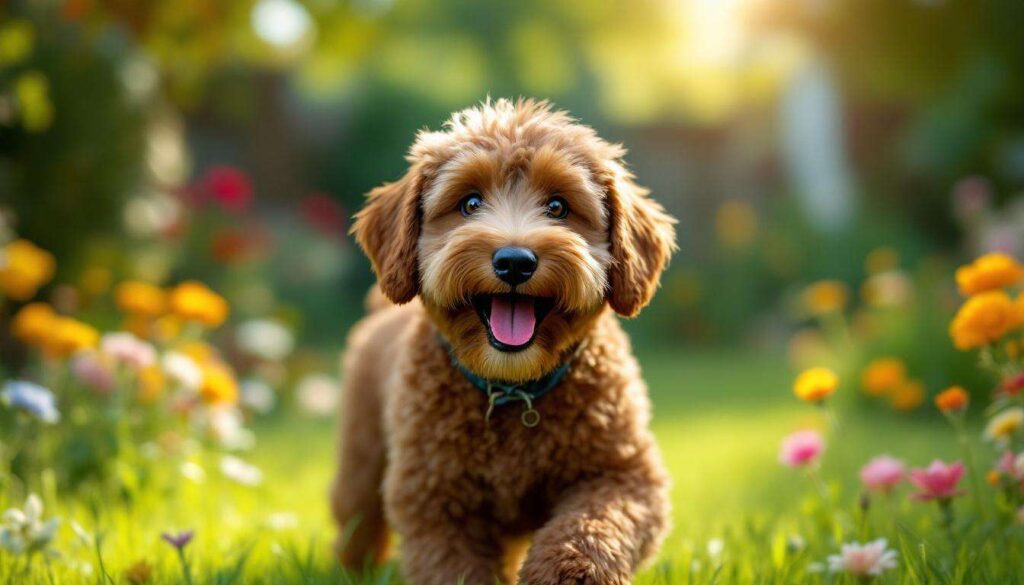
A Doodle dog represents a deliberate crossbreed between a poodle and another purebred dog. The poodle component typically comes from standard, miniature, or toy varieties, whilst the other parent can be virtually any recognised breed. This intentional pairing aims to combine the intelligence and low-shedding coat of poodles with desirable traits from the companion breed.
Historical development
The Doodle phenomenon began in the 1980s when breeders in Australia created the Labradoodle specifically as a hypoallergenic guide dog. The original purpose centred on producing service animals suitable for individuals with allergies whilst maintaining the trainability required for assistance work. This pioneering effort sparked widespread interest in poodle crossbreeds, leading to the development of numerous varieties that have become increasingly popular as both working dogs and family pets.
Understanding generation terminology
Breeders use specific terminology to describe Doodle generations:
- F1: first generation cross, 50% poodle and 50% other breed
- F1B: F1 Doodle bred back to a poodle, resulting in 75% poodle genetics
- F2: second generation, bred from two F1 Doodles
- Multigen: third generation and beyond
These classifications help predict characteristics such as coat type, size, and temperament, though individual variation remains significant.
The diverse range of Doodle varieties offers prospective owners numerous options tailored to different preferences and requirements.
The most common Doodles
Goldendoodles
The Goldendoodle combines the gentle, friendly nature of the Golden Retriever with poodle intelligence. These dogs typically exhibit exceptional patience with children and an eagerness to please that makes training relatively straightforward. Their size varies considerably depending on the poodle parent, ranging from miniature versions weighing 15 pounds to standard sizes exceeding 70 pounds.
Labradoodles
As the original Doodle breed, Labradoodles pair Labrador Retrievers with poodles to create energetic, outgoing companions. Their reputation as service dogs stems from their trainability and calm demeanour in public settings. Labradoodles generally display strong retrieving instincts and a love for water activities inherited from their Labrador lineage.
Aussiedoodles
Crossing Australian Shepherds with poodles produces Aussiedoodles, known for their striking appearance and remarkable intelligence. These dogs inherit the herding instincts of their Shepherd parent, making them particularly attentive and responsive to training. Their energy levels typically exceed those of other Doodle varieties, requiring substantial daily exercise and mental stimulation.
Other popular varieties
| Doodle type | Parent breeds | Typical weight range |
|---|---|---|
| Bernedoodle | Bernese Mountain Dog × poodle | 50-90 pounds |
| Cavapoo | Cavalier King Charles Spaniel × poodle | 12-25 pounds |
| Cockapoo | Cocker Spaniel × poodle | 15-30 pounds |
Each variety brings distinct qualities inherited from their non-poodle parent, creating a spectrum of temperaments and physical attributes.
The characteristics of Doodles
Temperament and personality
Most Doodles exhibit friendly, sociable dispositions that make them excellent family companions. Their intelligence, inherited from the poodle lineage, manifests in quick learning abilities and problem-solving skills. However, this cleverness requires consistent mental engagement to prevent boredom-related behaviours such as excessive barking or destructive chewing.
Physical attributes
Doodle coats vary considerably, ranging from wavy to tightly curled textures. The coat type significantly influences grooming requirements and shedding levels. Whilst many Doodles shed minimally, particularly F1B generations with higher poodle percentages, no crossbreed guarantees completely allergen-free living. Colours span an impressive palette including cream, apricot, chocolate, black, and parti-colour combinations.
Energy levels and exercise needs
These crossbreeds typically require substantial daily activity:
- Minimum 60 minutes of exercise for standard-sized Doodles
- Mental stimulation through puzzle toys and training sessions
- Opportunities for socialisation with other dogs
- Varied activities to maintain engagement
Understanding their allergy-friendly reputation requires examining the science behind their coats and the reality of hypoallergenic claims.
Are Doodles hypoallergenic ?
The hypoallergenic myth
Whilst Doodles are frequently marketed as hypoallergenic, this term proves misleading. No dog breed is truly hypoallergenic, as allergies stem from proteins found in dander, saliva, and urine rather than fur itself. Poodles produce less dander than many breeds, and this trait often transfers to their offspring, but individual reactions vary considerably amongst allergy sufferers.
Factors affecting allergen production
Several elements influence how allergenic a particular Doodle might be:
- Generation: F1B Doodles with 75% poodle genetics typically produce less dander
- Coat type: curly coats trap dander better than straight fur
- Grooming frequency: regular bathing and brushing reduce allergen spread
- Individual variation: even littermates may affect allergies differently
Testing compatibility
Prospective owners with allergies should spend extended time with specific dogs before committing to adoption. Visiting the breeder multiple times and interacting with the puppy’s parents provides valuable insight into potential allergic reactions. Some individuals find certain Doodles perfectly tolerable whilst others trigger severe symptoms, making personal testing essential rather than relying solely on breed reputation.
Selecting the right Doodle variety depends heavily on matching their characteristics to your daily routine and living environment.
The ideal Doodle for your lifestyle
Assessing your living space
Housing considerations significantly impact which Doodle suits your circumstances. Standard-sized varieties thrive in homes with gardens where they can expend energy freely, whilst miniature versions adapt well to apartment living provided they receive adequate exercise. Consider ceiling height, available floor space, and outdoor access when determining appropriate size.
Activity level matching
Your personal activity level should align with your chosen Doodle’s energy requirements. Active individuals who enjoy hiking, running, or outdoor adventures find excellent companions in Aussiedoodles or standard Labradoodles. Those preferring moderate exercise might better suit Cavapoos or smaller Goldendoodles that require less intensive activity.
Family composition
| Household type | Recommended Doodles | Key considerations |
|---|---|---|
| Families with young children | Goldendoodles, Labradoodles | Patient temperament, sturdy build |
| Single professionals | Cockapoos, Cavapoos | Moderate exercise needs, adaptable |
| Active couples | Aussiedoodles, Bernedoodles | High energy, outdoor compatibility |
Proper maintenance ensures these intelligent crossbreeds remain healthy, comfortable, and well-adjusted throughout their lives.
Caring for a Doodle dog
Grooming requirements
Regular grooming represents a non-negotiable commitment for Doodle ownership. Their coats require brushing several times weekly to prevent matting, with professional grooming recommended every six to eight weeks. Neglected coats develop painful tangles that pull skin and create environments for bacterial growth. Establishing grooming routines early helps puppies accept handling and makes maintenance sessions more manageable.
Health considerations
Responsible breeders conduct health testing on parent dogs to screen for genetic conditions:
- Hip and elbow dysplasia evaluations
- Eye examinations for progressive retinal atrophy
- Cardiac assessments
- DNA testing for breed-specific conditions
Requesting documentation of these tests protects against purchasing puppies from lines with known health issues. Meeting parent dogs provides insight into temperament and physical characteristics your puppy may inherit.
Training and socialisation
Early, consistent training harnesses the natural intelligence Doodles possess whilst establishing boundaries and expectations. Positive reinforcement methods work exceptionally well with these eager-to-please dogs. Socialisation during the critical period between eight and sixteen weeks shapes confident, well-adjusted adults comfortable in various environments and situations.
Nutritional needs
Quality nutrition supports healthy coat development, sustained energy levels, and overall wellbeing. Feeding requirements vary based on size, age, and activity level, with standard Doodles consuming considerably more than miniature varieties. Consultation with veterinarians helps establish appropriate portion sizes and food selections tailored to individual needs.
These versatile crossbreeds offer remarkable companionship when their care requirements align with owner capabilities and commitment levels. Their combination of intelligence, affectionate nature, and reduced shedding makes them appealing choices for diverse households. Prospective owners must recognise the substantial grooming demands, exercise needs, and training investment these dogs require. Thorough research into specific varieties, generations, and individual temperaments ensures successful matches between Doodles and their families, creating rewarding relationships built on understanding and appropriate expectations.