
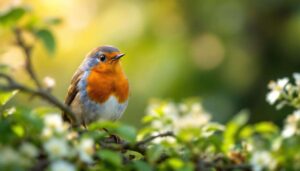



As temperatures drop and frost settles across gardens and woodlands, many well-intentioned households reach for bags of seeds and suet balls to help their feathered neighbours survive the harsh conditions. This seasonal ritual has become deeply embedded in British culture, with millions of people participating each year. Yet beneath this seemingly simple act of kindness lies a complex debate among ornithologists, conservationists, and wildlife experts. Does supplementary feeding genuinely support bird populations through challenging months, or does it inadvertently create dependencies and ecological imbalances that outweigh the benefits ? Understanding both sides of this discussion is essential for anyone who wishes to make informed decisions about winter bird feeding.
Why feed birds in winter ?
Natural food scarcity during cold months
Winter presents significant challenges for bird populations across the UK. Natural food sources become dramatically scarce as insects disappear, seeds are buried beneath snow, and berries are quickly consumed. The combination of reduced daylight hours and increased energy demands for maintaining body temperature creates a survival crisis for many species. Birds must consume substantially more calories simply to stay warm, yet the time available for foraging is severely limited. This mismatch between energy requirements and food availability makes winter the most dangerous season for many bird species, with mortality rates peaking during prolonged cold spells.
Supporting vulnerable species through harsh conditions
Certain bird species face particular difficulties during winter months. Small birds such as wrens, robins, and blue tits are especially vulnerable due to their high metabolic rates and limited fat reserves. Research has demonstrated that supplementary feeding can significantly improve survival rates for these species during extreme weather events. The provision of high-energy foods at feeding stations offers a reliable alternative when natural sources fail, potentially making the difference between life and death for individual birds struggling through severe conditions.
Historical context of bird feeding practices
The tradition of feeding garden birds has evolved considerably over recent decades. What began as an occasional practice has transformed into a widespread activity supported by a substantial commercial industry. Understanding this shift helps contextualise current debates about its appropriateness and impact on wild bird populations.
What are the benefits of feeding birds ?
Enhanced survival rates during extreme weather
Scientific studies have documented measurable improvements in bird survival when supplementary feeding is provided consistently throughout winter. During particularly harsh periods, feeding stations can support entire local populations, preventing the catastrophic losses that might otherwise occur. The immediate availability of food reduces the time birds must spend foraging in dangerous conditions, lowering their exposure to predators and conserving precious energy reserves.
Opportunities for observation and education
Garden feeding stations provide unparalleled opportunities for people to connect with nature. The benefits extend beyond the birds themselves:
- Children develop an understanding of wildlife and ecological relationships through direct observation
- Adults gain mental health benefits from regular contact with nature
- Citizen science projects collect valuable data on bird populations and distribution
- Public engagement with conservation issues increases through personal connection with garden visitors
Supporting declining species
Many once-common British bird species have experienced significant population declines due to habitat loss and agricultural intensification. Supplementary feeding may provide crucial support for species such as song thrushes, house sparrows, and starlings, all of which have suffered dramatic reductions in numbers. Garden feeding stations effectively create supplementary habitat, partially compensating for losses elsewhere in the landscape.
However, these undeniable benefits must be weighed against potential negative consequences that have emerged as feeding practices have become more widespread and intensive.
The potential risks of feeding birds in winter
Disease transmission at feeding stations
Concentrating birds at feeding stations creates ideal conditions for disease transmission. Trichomonosis, a parasitic infection particularly affecting finches and doves, spreads rapidly at contaminated feeders. Salmonellosis outbreaks have also been linked to garden feeding stations, causing significant mortality events. The close proximity of multiple individuals from different species at feeding points facilitates pathogen transmission in ways that would rarely occur in natural foraging situations.
Dependency and behavioural changes
Concerns exist that regular supplementary feeding may alter natural behaviours and create dependency. Birds that rely heavily on feeding stations may:
- Lose foraging skills necessary for finding natural food sources
- Delay migration or remain in areas where they would not naturally overwinter
- Modify breeding patterns and timing in response to artificial food availability
- Develop altered territorial behaviours around concentrated food sources
Predation risks
Feeding stations can inadvertently create hunting opportunities for predators. Domestic cats, sparrowhawks, and other predators quickly learn to patrol areas where birds congregate. The predictable presence of prey species at feeding points may increase predation rates beyond natural levels, potentially offsetting survival benefits from the supplementary food itself.
Nutritional imbalances
Not all foods offered at feeding stations provide appropriate nutrition. Bread, a commonly provided item, offers minimal nutritional value and can cause serious health problems. Poor-quality seeds or inappropriate food types may fill birds’ stomachs without meeting their actual nutritional requirements, creating a false sense of satiation whilst they remain malnourished.
These risks highlight the importance of implementing feeding practices thoughtfully, with careful attention to food selection and station management.
What foods to choose for birds during the cold season ?
High-energy options for winter survival
Winter feeding should prioritise energy-dense foods that help birds maintain body temperature and survive cold nights. The most beneficial options include:
- Black sunflower seeds, rich in oils and suitable for numerous species
- Suet products, providing essential fats for energy and insulation
- Nyjer seeds, particularly favoured by finches
- Peanuts in appropriate feeders, offering high protein and fat content
- Mealworms, providing protein especially valuable for insectivorous species
Species-specific feeding recommendations
Different bird species have distinct dietary requirements and feeding preferences. Understanding these variations ensures that feeding stations support diverse populations rather than favouring only the most dominant or adaptable species.
| Bird Species | Preferred Foods | Feeding Method |
|---|---|---|
| Blue tits | Sunflower hearts, suet, peanuts | Hanging feeders |
| Robins | Mealworms, suet crumbs | Ground or table feeding |
| Blackbirds | Apples, raisins, mealworms | Ground feeding |
| Goldfinches | Nyjer seeds, sunflower hearts | Specialist feeders |
Foods to avoid
Certain commonly offered items pose significant risks to bird health. Bread products provide minimal nutrition and can cause malnutrition, whilst salty foods may lead to dehydration and kidney problems. Mouldy or spoiled food can transmit diseases, and large whole peanuts present choking hazards during breeding season. Avoiding these problematic items is as important as selecting appropriate alternatives.
Proper food selection forms only one component of responsible feeding; the physical setup and maintenance of feeding stations are equally critical.
How to set up a safe and effective feeding station ?
Strategic placement considerations
The location of feeding stations significantly influences their safety and effectiveness. Feeders should be positioned to provide clear visibility in all directions, allowing birds to detect approaching predators. Proximity to cover is beneficial, offering escape routes whilst not being so close that cats can ambush visitors. Spacing multiple feeders several metres apart reduces competition and disease transmission risks.
Hygiene and maintenance protocols
Regular cleaning is essential for preventing disease outbreaks at feeding stations. Recommended practices include:
- Weekly cleaning of all feeders with disinfectant solution
- Daily removal of spoiled or wet food
- Regular ground cleaning beneath feeders to prevent accumulation of droppings and waste
- Rotation of feeding station locations if disease is detected
- Complete cessation of feeding if signs of disease outbreak appear
Feeder types and their applications
Different feeder designs serve distinct purposes and attract various species. Tube feeders with small perches suit finches and tits, whilst platform feeders accommodate larger species and ground-feeding birds. Suet feeders provide high-energy food in formats that exclude less desirable visitors. Selecting appropriate feeder types ensures that supplementary food reaches intended recipients rather than supporting pest species or non-native populations.
Water provision
Access to unfrozen water becomes as critical as food during winter. Birds require water for drinking and maintaining feather condition, yet natural sources frequently freeze. Providing fresh water daily, or using heated birdbaths in severe conditions, addresses this often-overlooked requirement. Shallow containers with stones for perching prevent drowning accidents whilst accommodating various species.
These practical considerations connect directly to broader questions about how individual feeding practices aggregate into landscape-level effects on bird populations and ecological systems.
The impact on biodiversity and local ecosystem
Population-level effects of widespread feeding
The cumulative impact of millions of households feeding birds creates effects that extend far beyond individual gardens. Research suggests that supplementary feeding has contributed to population increases and range expansions for certain species, particularly those already well-adapted to human environments. However, these benefits are not distributed equally across all species, potentially skewing community composition toward generalist species that exploit feeding stations most effectively.
Competitive dynamics and community structure
Feeding stations can intensify competition between species, with dominant birds monopolising resources and excluding subordinate species. This may inadvertently favour aggressive species such as magpies and jackdaws whilst disadvantaging smaller or more timid birds. The alteration of natural competitive relationships raises questions about whether feeding practices genuinely support biodiversity or simply redistribute resources toward species already thriving in human-modified landscapes.
Broader ecological considerations
The effects of bird feeding extend beyond avian populations themselves. Increased bird densities in gardens may affect invertebrate populations, seed dispersal patterns, and predator-prey dynamics. The concentration of nutrients from bird droppings beneath feeding stations can alter soil chemistry and plant communities. Understanding these wider ramifications helps contextualise individual feeding decisions within larger ecological frameworks.
Winter bird feeding presents a nuanced issue where genuine benefits coexist with legitimate concerns. The evidence suggests that thoughtfully implemented feeding practices, using appropriate foods, maintaining rigorous hygiene standards, and monitoring for problems, can support bird populations through challenging conditions without creating significant negative consequences. The key lies not in whether to feed, but in how feeding is conducted. Those who choose to provide supplementary food bear responsibility for doing so in ways that prioritise bird welfare over personal satisfaction, recognising that this popular activity carries ecological implications extending well beyond the garden fence. Ultimately, supporting bird populations requires balancing immediate welfare concerns with longer-term considerations about dependency, disease, and ecosystem integrity.