


The blackbird, with its distinctive appearance and enchanting song, remains one of Britain’s most recognisable garden visitors. Understanding the lifespan of these remarkable birds offers valuable insights into their behaviour, survival strategies, and the challenges they face in both urban and rural environments. From the moment they hatch to their final days, blackbirds navigate a world filled with both opportunities and dangers that directly impact how long they live.
Identification and habitat of the blackbird
Physical characteristics
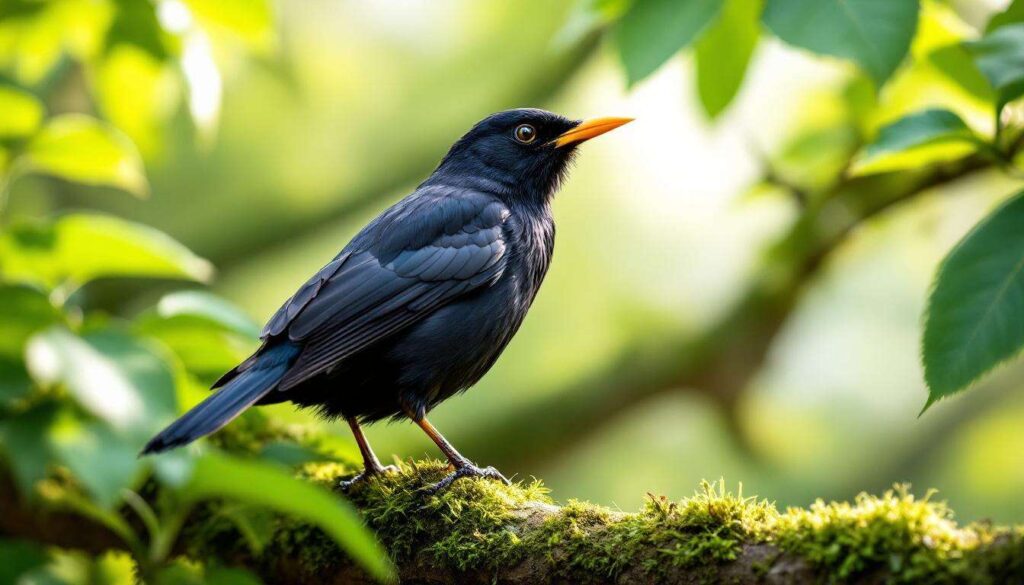
The male blackbird is instantly recognisable by its jet-black plumage and bright orange-yellow beak. In contrast, female blackbirds display brown feathers with a mottled breast and a duller beak. Juveniles resemble females but feature more pronounced spotting. These medium-sized thrushes typically measure between 23 and 29 centimetres in length, with a wingspan reaching approximately 34 to 38 centimetres.
Habitat preferences
Blackbirds demonstrate remarkable adaptability in their choice of habitat. They thrive in:
- Woodland edges and forests with dense undergrowth
- Parks and gardens throughout urban areas
- Hedgerows and agricultural land
- Suburban green spaces with trees and shrubs
Their ability to colonise diverse environments has contributed significantly to their widespread distribution across Europe. Urban blackbirds have particularly adapted well to human presence, often becoming bolder and more visible than their woodland counterparts. This versatility in habitat selection plays a crucial role in their survival prospects and overall population success.
Understanding where blackbirds live naturally leads to questions about how long these adaptable birds actually survive in their chosen environments.
Life expectancy of the blackbird
Average lifespan in the wild
The typical lifespan of a blackbird in natural conditions ranges from 2 to 5 years. However, this figure masks considerable variation depending on environmental circumstances. Many blackbirds face significant challenges during their first year, with mortality rates particularly high among juveniles. In fact, a substantial proportion of young blackbirds fail to survive beyond their initial twelve months, which dramatically affects average life expectancy statistics.
| Age category | Survival rate | Expected lifespan |
|---|---|---|
| First year | Approximately 40% | Less than 1 year |
| Adult birds | 60-70% annually | 3-4 years |
| Urban populations | Slightly higher | 4-5 years |
Exceptional longevity records
Whilst most blackbirds live relatively short lives, exceptional cases demonstrate the species’ potential for longevity. The oldest recorded European blackbird reached an impressive 20 years of age. Such remarkable lifespans typically occur under protected conditions where threats are minimised and resources remain consistently available. Birds living in nature reserves, protected gardens, or occasionally under human care benefit from reduced predation pressure and reliable food sources.
Environmental influences on lifespan
Several factors determine whether a blackbird achieves average or exceptional longevity. Urban environments often provide advantages including reduced predator populations and supplementary feeding from humans. Conversely, harsh winters, food scarcity, and high predation rates in rural areas can significantly shorten lifespans. The availability of suitable nesting sites and the presence of disease also influence survival rates across different populations.
These survival patterns are intimately connected to the blackbird’s reproductive strategies and developmental stages.
Lifecycle and reproduction of the blackbird
Breeding season and nesting behaviour
Blackbirds typically commence breeding in early spring, with the season extending from March through July. During this period, pairs may raise multiple broods, often producing two or three clutches in a successful year. The female constructs a cup-shaped nest using grass, leaves, and mud, typically positioned in dense shrubs, hedges, or occasionally in unusual locations such as sheds or wall cavities.
Egg laying and incubation
Each clutch contains between 3 and 5 eggs, which display a distinctive blue-green colour with reddish-brown speckles. The female incubates the eggs for approximately 12 to 14 days, rarely leaving the nest except for brief feeding periods. During this time, the male often provides food and maintains territorial boundaries through song and displays.
Development of young blackbirds
After hatching, chicks remain in the nest for about 13 to 14 days. Both parents participate actively in feeding the nestlings, making numerous trips daily to provide insects and other protein-rich foods. Upon fledging, young blackbirds continue to receive parental care for several weeks whilst they develop flight skills and learn foraging techniques. The following timeline illustrates key developmental stages:
- Days 1-5: eyes closed, completely dependent on parents
- Days 6-10: eyes open, feather development accelerates
- Days 11-14: fledging occurs, though flight ability remains limited
- Weeks 3-4: increasing independence, improved flying skills
- Months 2-3: full independence achieved
This rapid reproductive cycle helps compensate for high mortality rates, though numerous dangers constantly threaten both adult and juvenile blackbirds.
Threats and conservation of blackbirds
Natural predators
Blackbirds face predation from various sources throughout their lives. Domestic cats represent perhaps the most significant urban threat, particularly to fledglings and ground-feeding adults. Other predators include:
- Sparrowhawks and other birds of prey
- Foxes targeting ground nests
- Magpies and crows raiding nests for eggs and chicks
- Weasels and stoats in rural environments
Environmental and human-related threats
Beyond predation, blackbirds encounter numerous challenges in modern landscapes. Habitat loss through urbanisation and intensive agriculture reduces suitable nesting and feeding areas. Pesticide use diminishes insect populations, affecting food availability during crucial breeding periods. Vehicle collisions claim many birds, particularly during the breeding season when adults make frequent foraging trips. Climate change also impacts breeding success and food availability patterns.
Conservation status and efforts
Despite these challenges, blackbirds currently maintain stable populations across most of their range and are classified as a species of least concern. Their adaptability to human-modified environments has helped sustain numbers. Conservation efforts focus on maintaining diverse habitats, encouraging wildlife-friendly gardening practices, and monitoring population trends to detect potential declines early.
Supporting healthy blackbird populations requires understanding their nutritional needs and feeding behaviours.
Diet of the blackbird
Omnivorous feeding habits
Blackbirds possess a varied and adaptable diet that changes seasonally according to food availability. Their omnivorous nature enables them to exploit different food sources throughout the year, contributing significantly to their survival success. This dietary flexibility allows populations to thrive in diverse habitats from woodland to urban gardens.
Seasonal dietary variations
During spring and summer, blackbirds primarily consume invertebrates, which provide essential protein for breeding adults and growing chicks. Their diet during these months includes:
- Earthworms, extracted from lawns and soil
- Beetles, caterpillars, and other insects
- Spiders and small snails
- Larvae found in leaf litter
As autumn and winter approach, blackbirds increasingly rely on plant-based foods. Berries become particularly important, with birds consuming fruits from hawthorn, rowan, holly, and ivy. They also eat fallen apples, windfall pears, and various seeds. This seasonal shift demonstrates their remarkable ability to adapt feeding strategies to available resources.
Foraging techniques
Blackbirds employ distinctive foraging methods, most notably their characteristic leaf-turning behaviour. They use their beaks to flip leaves and debris, exposing hidden invertebrates beneath. This technique proves highly effective in woodland floors and garden borders. They also probe soft soil for earthworms and listen intently for underground movement before striking with precision.
Gardeners can capitalise on this knowledge to make their outdoor spaces more attractive to these delightful birds.
How to attract blackbirds to your garden
Providing suitable food sources
Creating a blackbird-friendly garden begins with offering appropriate food. While blackbirds readily visit bird tables, they prefer ground feeding. Consider providing:
- Mealworms, particularly during breeding season
- Grated cheese and soaked raisins
- Chopped apples and pears
- Specialist ground feeding mixes
Avoid using ground feeders with small mesh that might trap their beaks. Instead, use open trays or simply scatter food on clean paving or designated feeding areas.
Creating ideal habitat features
Beyond food provision, habitat structure significantly influences blackbird presence. Plant dense shrubs and hedges that offer nesting sites and protection from predators. Berry-producing plants such as cotoneaster, pyracantha, and native hedgerow species provide natural food sources. Maintain areas of bare soil or short grass where blackbirds can easily forage for invertebrates. A small water feature or bird bath offers essential drinking and bathing opportunities.
Garden management practices
Adopting wildlife-friendly gardening techniques benefits blackbirds considerably. Reduce or eliminate pesticide use to maintain healthy invertebrate populations. Leave leaf litter in borders and under shrubs, creating foraging opportunities. Allow lawns to grow slightly longer in some areas, encouraging earthworm activity. Compost heaps attract insects and provide warm, accessible foraging sites during colder months.
These combined efforts create environments where blackbirds can thrive, potentially extending their lifespan through improved nutrition and reduced stress.
Blackbirds exemplify nature’s resilience, adapting successfully to diverse environments whilst facing numerous challenges. Their typical lifespan of 3 to 4 years, though modest, can extend considerably under favourable conditions, with exceptional individuals reaching two decades. Understanding their habitat requirements, dietary needs, and reproductive patterns enables us to support these charismatic birds effectively. By creating welcoming garden environments and appreciating the ecological roles they fulfil, we contribute to sustaining healthy blackbird populations. Their melodious songs and active presence enrich our daily lives, reminding us of the intricate connections between wildlife and human-modified landscapes. Supporting blackbirds through thoughtful habitat management ensures future generations will continue enjoying these remarkable birds.