



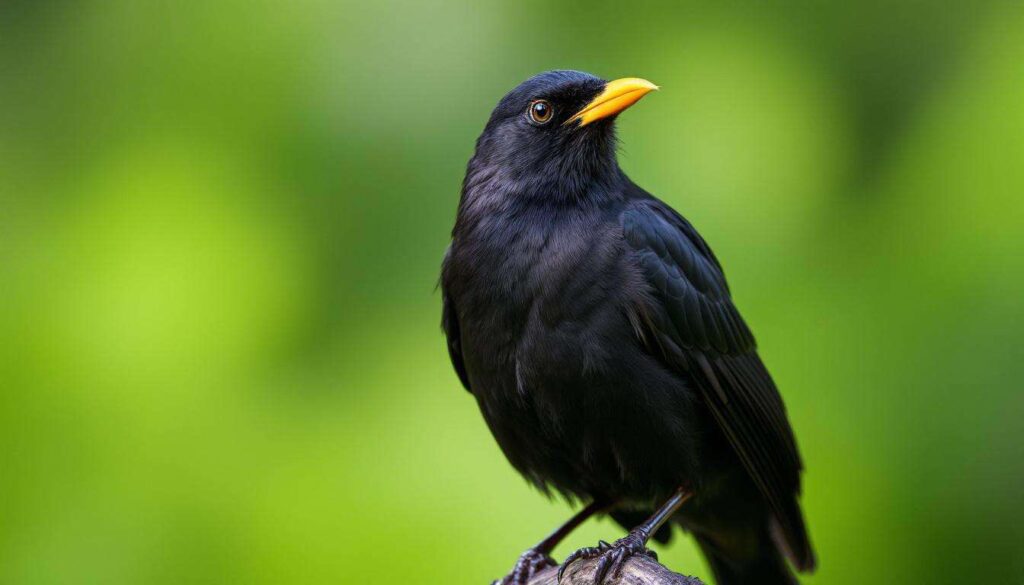
The common blackbird, with its distinctive song and striking appearance, remains one of Britain’s most recognisable garden visitors. Yet behind this familiar presence lies a complex story of survival, adaptation and vulnerability. Understanding how long these birds live reveals much about the challenges they face in both urban and rural landscapes, where factors ranging from predation to habitat quality shape their chances of reaching maturity.
Factors influencing the life expectancy of the blackbird
Environmental conditions and habitat quality
The lifespan of a blackbird depends significantly on the quality of its surrounding environment. Birds inhabiting gardens with abundant food sources, suitable nesting sites and protective vegetation typically enjoy better survival rates than those in degraded habitats. Access to reliable water sources and diverse food options throughout the year proves essential for maintaining health and resilience against disease.
Disease and parasites
Various pathogens pose serious threats to blackbird populations. Avian pox, salmonella and trichomonosis represent common diseases that can significantly reduce life expectancy. Parasitic infections, including those caused by mites and internal worms, weaken birds and make them more susceptible to other health complications. The concentration of birds around garden feeders can unfortunately facilitate disease transmission.
Human activity and urbanisation
Human presence creates both opportunities and hazards for blackbirds. Key anthropogenic factors include:
- Road traffic accidents, particularly during the breeding season when birds are preoccupied with feeding young
- Window collisions, which account for substantial mortality rates in urban areas
- Domestic cats, representing one of the most significant predation threats
- Pesticide use, reducing invertebrate prey availability and causing direct poisoning
- Habitat fragmentation, limiting access to suitable breeding and feeding territories
These varied influences interact to create a complex landscape of survival, where the balance between risk and resource determines individual longevity.
Average lifespan of a blackbird in the wild
Typical life expectancy figures
Research indicates that the average lifespan of a wild blackbird stands at approximately two to three years. However, this figure masks considerable variation within populations. Ring recovery data from the British Trust for Ornithology reveals that whilst many blackbirds succumb to various threats within their first year, those surviving this critical period may live considerably longer.
Maximum recorded ages
The oldest recorded blackbird in Britain reached the remarkable age of twenty years and three months, demonstrating the species’ potential longevity under favourable conditions. Records of birds exceeding ten years remain relatively uncommon but not exceptional, with several documented cases of individuals reaching their teens.
| Age category | Survival probability | Typical characteristics |
|---|---|---|
| First year | 30-40% | Highest mortality period |
| 2-5 years | 50-60% annual | Prime breeding age |
| 6-10 years | 40-50% annual | Experienced survivors |
| Over 10 years | Below 30% | Exceptional individuals |
Seasonal mortality patterns
Winter represents the most challenging period for blackbird survival, with cold weather and food scarcity claiming many lives. Juvenile birds face particularly harsh conditions during their first winter, lacking the experience and established territories of adult birds. Spring and summer mortality relates more closely to breeding activities and associated risks.
Understanding these baseline survival rates provides context for examining how specific environmental conditions modify blackbird longevity across different habitats.
Impact of the environment on the longevity of blackbirds
Urban versus rural survival rates
Blackbirds inhabiting urban environments often demonstrate different survival patterns compared to their rural counterparts. City-dwelling birds benefit from supplementary feeding, milder microclimates created by buildings and reduced exposure to agricultural pesticides. However, they face increased risks from vehicles, glass surfaces and concentrated predator populations, particularly domestic cats.
Rural blackbirds contend with agricultural practices, including mechanised farming operations and pesticide application, which can destroy nests and reduce food availability. Nevertheless, they typically enjoy access to more extensive natural habitats and diverse food sources throughout the seasons.
Garden habitats and supplementary feeding
Well-maintained gardens offering varied food sources significantly enhance blackbird survival prospects. The provision of supplementary food during winter months proves particularly beneficial, helping birds maintain body condition during periods of natural food scarcity. Gardens incorporating the following features support longer lifespans:
- Dense shrubs and hedges providing nesting sites and protection from predators
- Leaf litter and compost areas rich in invertebrates
- Berry-producing plants offering autumn and winter nutrition
- Chemical-free lawn areas supporting earthworm populations
- Water features for drinking and bathing
Climate change considerations
Shifting weather patterns influence blackbird longevity through multiple pathways. Warmer winters may improve survival rates by reducing cold-related mortality and maintaining invertebrate activity. Conversely, extreme weather events, including prolonged droughts and severe storms, can devastate populations through direct mortality and breeding failure.
These environmental factors demonstrate how habitat characteristics fundamentally shape survival, yet they represent only part of the equation when considering blackbird longevity alongside other familiar species.
Comparison with the longevity of other common birds
Similar-sized garden birds
When compared to other common British garden birds of comparable size, blackbirds demonstrate moderate longevity. Robins typically live two to three years, similar to blackbirds, whilst song thrushes average slightly less. Starlings show comparable lifespans, with maximum ages reaching twenty years in exceptional cases.
| Species | Average lifespan | Maximum recorded age |
|---|---|---|
| Blackbird | 2-3 years | 20+ years |
| Robin | 2 years | 19 years |
| Song thrush | 2 years | 13 years |
| Starling | 2-3 years | 22 years |
| Blue tit | 2-3 years | 21 years |
Larger and smaller species
Generally, larger bird species tend to live longer than smaller ones, reflecting broader biological patterns in animal longevity. Woodpigeons, for instance, average four to five years with maximum ages exceeding seventeen years. Conversely, smaller species such as wrens rarely exceed three years, with most living considerably less.
This comparative perspective reveals that blackbirds occupy a middle ground in terms of longevity, facing threats common to many garden birds whilst lacking the extended lifespans of larger species. The specific dangers they encounter merit closer examination.
Role of predation in the blackbird’s lifespan
Natural predators
Blackbirds face predation throughout their lives from various native predators. Sparrowhawks represent the primary avian threat, particularly to adult birds, whilst magpies and jays frequently raid nests for eggs and chicks. Mammals including foxes, weasels and stoats opportunistically take ground-feeding adults and nestlings.
Domestic cat predation
The impact of domestic cats on blackbird populations remains a contentious but significant issue. Studies suggest cats in Britain kill millions of birds annually, with blackbirds featuring prominently among victims due to their ground-feeding habits and relatively bold nature around human habitation. Young fledglings, during their vulnerable period of learning to fly effectively, prove particularly susceptible.
Predation pressure across life stages
Different life stages experience varying predation risks:
- Eggs face threats primarily from corvids and small mammals
- Nestlings remain vulnerable to a wide range of predators until fledging
- Recently fledged juveniles suffer highest predation rates due to inexperience
- Adult birds, whilst more capable of escape, remain targets for specialist hunters
Despite these constant threats, blackbirds have evolved numerous strategies that enhance their survival prospects and enable some individuals to reach impressive ages.
Survival strategies and adaptation of the blackbird
Behavioural adaptations
Blackbirds employ sophisticated behavioural strategies to maximise survival. Their wariness increases with age, as experienced birds learn to recognise and avoid threats. Alarm calls alert conspecifics to danger, whilst mobbing behaviour towards predators can drive threats away from nesting areas. The species’ adaptability in food selection allows exploitation of varied resources across seasons.
Reproductive strategies
The blackbird’s reproductive approach balances investment against survival. Producing multiple broods annually compensates for high juvenile mortality, whilst the relatively short incubation and nestling periods minimise exposure to nest predators. Pairs often select well-concealed nest sites in dense vegetation, improving offspring survival rates.
Urban adaptation
Urban blackbird populations demonstrate remarkable behavioural plasticity, adjusting activity patterns and diet to exploit anthropogenic resources. City birds often show reduced flight initiation distances around humans, enabling them to access food sources in gardens and parks. This boldness carries risks but also provides competitive advantages in human-modified landscapes.
The blackbird’s lifespan reflects a delicate balance between numerous threats and its considerable adaptive capacity. Whilst average lifespans remain modest at two to three years, exceptional individuals demonstrate the species’ potential to reach twenty years under favourable conditions. Environmental quality, predation pressure and human activity collectively determine survival prospects, with well-resourced habitats supporting longer lives. Understanding these factors enables better conservation and garden management practices that support healthy blackbird populations. The species’ success in adapting to both rural and urban environments suggests resilience, yet ongoing challenges from habitat loss, disease and climate change require continued monitoring to ensure these familiar birds remain a common sight in British gardens.