



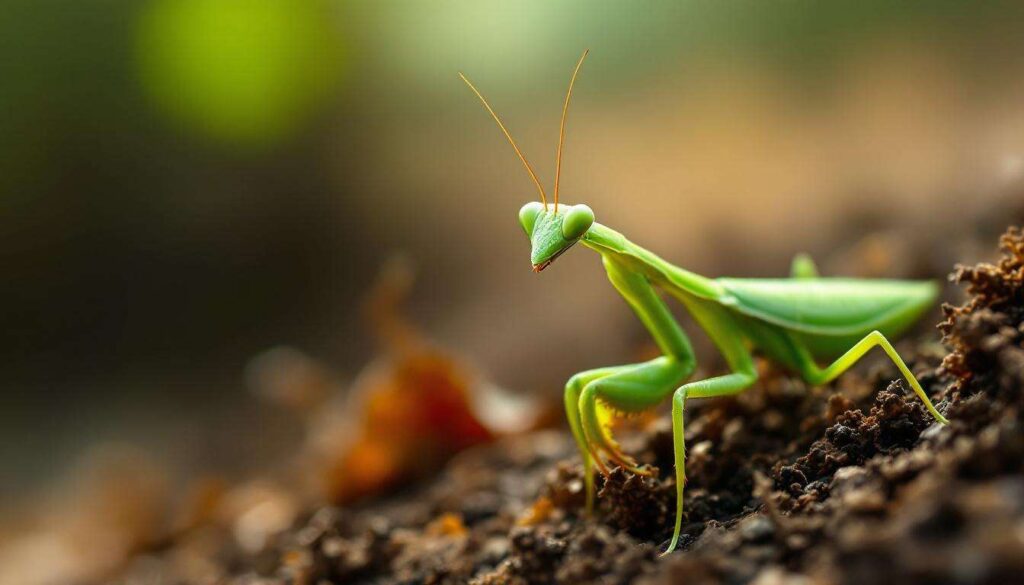
The praying mantis, with its distinctive posture and predatory prowess, has captivated naturalists and insect enthusiasts for centuries. These remarkable creatures exhibit a fascinating life cycle that varies considerably depending on numerous factors. Understanding the lifespan of a praying mantis requires examining not only the biological aspects of different species but also the environmental conditions that shape their survival. From the moment they emerge from their ootheca until their final days, these insects navigate a complex existence influenced by climate, habitat, food availability, and predation pressures.
Introduction to the life cycle of the praying mantis
The praying mantis undergoes an incomplete metamorphosis, which distinguishes it from many other insects. This process consists of three primary stages rather than the four stages seen in complete metamorphosis.
The three developmental stages
Unlike butterflies or beetles, praying mantises develop through hemimetabolous metamorphosis, progressing from egg to nymph to adult without a pupal stage. The female deposits her eggs in a protective foam-like case called an ootheca, which hardens to shield the developing embryos from predators and environmental extremes. Depending on the species and climate, this egg case can contain anywhere from 10 to 400 individual eggs. Once the nymphs emerge, they resemble miniature versions of adults but lack wings and reproductive capabilities. Through a series of moults, typically ranging from five to ten instars, the nymphs gradually develop into fully mature adults capable of reproduction.
Reproductive behaviour and lifespan implications
The reproductive cycle significantly impacts the longevity of praying mantises, particularly females. After mating, females invest considerable energy into producing oothecae, which can affect their overall lifespan. The notorious phenomenon of sexual cannibalism, where females sometimes consume males during or after mating, provides nutritional resources that support egg production. This behaviour, whilst not universal across all species, demonstrates the intense metabolic demands placed on reproducing females.
These biological imperatives set the stage for understanding how various external factors further shape the lifespan of these fascinating predators.
Factors influencing the longevity of praying mantises
Multiple variables determine how long a praying mantis will survive, creating considerable variation even within the same species.
Predation and natural threats
Despite being formidable hunters themselves, praying mantises face numerous predators throughout their lives. Birds, bats, frogs, lizards, and spiders all prey upon mantises at various life stages. Nymphs are particularly vulnerable due to their smaller size and softer exoskeletons. The survival rate from egg to adulthood remains relatively low in natural populations, with estimates suggesting that fewer than 5% of hatchlings reach maturity. This high mortality rate significantly influences population dynamics and average lifespan statistics.
Nutritional availability and hunting success
Access to adequate prey directly correlates with mantis longevity. Well-fed individuals typically live longer and reproduce more successfully than those experiencing food scarcity. The following factors affect nutritional intake:
- Prey density in the immediate environment
- Competition from other predators
- The mantis’s hunting efficiency and camouflage effectiveness
- Seasonal fluctuations in insect populations
- Energy expenditure during unsuccessful hunting attempts
Gender differences in lifespan
Female praying mantises generally outlive their male counterparts by several weeks to months. Males typically die shortly after mating season concludes, whether or not they successfully reproduce. Females, conversely, survive longer to lay multiple oothecae throughout their adult lives. This sexual dimorphism in longevity reflects the different reproductive strategies employed by each sex.
Beyond these biological factors, the specific species itself plays a crucial role in determining lifespan expectations.
Average lifespan according to species
The Mantodea order encompasses over 2,400 species worldwide, each with distinct longevity characteristics shaped by evolutionary adaptations to their native environments.
Common species and their lifespans
| Species | Average Total Lifespan | Adult Stage Duration |
|---|---|---|
| European Mantis (Mantis religiosa) | 6-12 months | 2-4 months |
| Chinese Mantis (Tenodera sinensis) | 6-12 months | 3-6 months |
| Carolina Mantis (Stagmomantis carolina) | 4-8 months | 2-3 months |
| Giant Asian Mantis (Hierodula membranacea) | 8-12 months | 4-6 months |
| Orchid Mantis (Hymenopus coronatus) | 5-8 months | 2-3 months |
Tropical versus temperate species
Tropical species often exhibit different lifespan patterns compared to their temperate counterparts. Many tropical mantises can breed year-round due to consistent temperatures and prey availability, potentially producing multiple generations annually. Temperate species, however, typically complete only one generation per year, with their life cycles synchronised to seasonal changes. The eggs of temperate species often undergo diapause during winter months, suspending development until favourable conditions return. This adaptation ensures that nymphs emerge when prey is abundant, but it also means the total lifespan from egg-laying to adult death spans nearly a full calendar year.
Whilst genetics establish baseline longevity expectations, the surrounding environment ultimately determines whether individuals reach their potential lifespan.
Impact of environmental conditions on survival
The habitat in which a praying mantis lives profoundly influences its chances of survival and overall longevity.
Temperature and climate considerations
Temperature regulation proves critical for mantis survival, as these ectothermic insects depend on external heat sources to maintain metabolic functions. Optimal temperature ranges vary by species but generally fall between 20°C and 30°C for most common varieties. Extreme temperatures can prove fatal: excessive heat causes dehydration and metabolic stress, whilst cold temperatures slow metabolism to dangerous levels or cause direct tissue damage. In temperate regions, adult mantises typically perish with the first hard frost, whilst eggs survive winter protected within their oothecae.
Humidity and moisture requirements
Adequate humidity levels support proper moulting and prevent desiccation. Mantises struggling with low humidity may experience mismoults, where the exoskeleton fails to shed properly, often resulting in deformities or death. Different species have evolved specific humidity preferences:
- Desert species: 30-40% relative humidity
- Temperate grassland species: 40-60% relative humidity
- Tropical rainforest species: 60-80% relative humidity
Habitat quality and vegetation structure
The physical structure of the environment affects both hunting success and predator avoidance. Dense vegetation provides camouflage and ambush opportunities, whilst also offering protection from harsh weather and visual predators. Habitat degradation through urbanisation, agriculture, or climate change consequently threatens mantis populations by reducing suitable living spaces and prey availability.
Understanding these environmental influences becomes particularly relevant when examining how mantises progress through their distinct developmental phases.
The life stages of a praying mantis
Each developmental stage presents unique challenges and characteristics that contribute to the overall lifespan of these insects.
Egg stage and incubation period
The journey begins within the ootheca, where embryonic development occurs over several weeks to months. Incubation duration varies considerably based on temperature and species, ranging from three weeks in warm conditions to over six months when eggs undergo winter diapause. During this vulnerable period, the protective foam casing shields developing embryos from parasitoids, predators, and environmental extremes. However, certain parasitic wasps have evolved to penetrate oothecae and lay their own eggs inside, which ultimately consume the mantis embryos.
Nymph development and moulting
Upon hatching, nymphs measure merely a few millimetres in length and immediately face the challenge of survival. These miniature predators begin hunting tiny prey such as aphids, fruit flies, and other small insects. As they grow, nymphs must periodically shed their rigid exoskeletons through moulting. Each moult represents a critical vulnerability period when the mantis cannot hunt and remains susceptible to predation. The soft new exoskeleton requires several hours to harden, during which the insect is essentially defenceless. Most species complete six to nine moults before reaching adulthood, with each instar progressively resembling the adult form more closely.
Adult stage and reproductive maturity
The final moult reveals fully developed wings in most species, marking the transition to adulthood. Adults focus primarily on reproduction, with males actively seeking females through pheromone detection. The adult stage typically represents the shortest portion of the total lifespan, lasting only a few months for most species. During this period, females may produce multiple oothecae, each requiring substantial energy reserves. As autumn approaches in temperate regions, adults gradually weaken and eventually succumb to cold temperatures, predation, or simple senescence.
For those maintaining mantises as pets or for educational purposes, extending this natural lifespan becomes a priority through careful husbandry practices.
Tips for increasing longevity in captivity
Captive praying mantises often live longer than their wild counterparts when provided with optimal conditions and protection from natural threats.
Proper housing and environmental control
Selecting appropriate enclosure dimensions ensures adequate space for moulting and hunting. A general rule suggests that the enclosure should be at least three times the mantis’s length in height and twice its length in width. Maintaining species-appropriate temperature and humidity levels through heating elements and regular misting prevents stress and supports healthy development. Adequate ventilation prevents fungal growth whilst maintaining necessary moisture levels.
Nutritional management and feeding schedules
Providing appropriately sized prey at regular intervals supports optimal health and longevity. The following guidelines promote proper nutrition:
- Offer prey items roughly one-third the mantis’s body length
- Feed nymphs daily or every other day with small insects
- Provide adults with larger prey two to three times weekly
- Remove uneaten prey to prevent stress or injury
- Ensure prey insects are well-fed to provide optimal nutrition
- Vary prey types to provide nutritional diversity
Monitoring health and preventing common issues
Regular observation allows early detection of potential problems. Watch for signs of dehydration, such as a shrunken abdomen or lethargy, and adjust humidity accordingly. Ensure adequate spacing between moults by monitoring feeding and growth rates. Isolate mantises individually to prevent cannibalism, particularly as they mature. Minimise handling to reduce stress and injury risk, as their delicate limbs can easily break.
The praying mantis exhibits a relatively brief but fascinating lifespan typically ranging from six months to one year depending on species, environmental conditions, and individual circumstances. Understanding the three-stage life cycle, recognising the factors that influence survival, and appreciating the differences between species provides insight into these remarkable predators. Environmental conditions including temperature, humidity, and habitat quality significantly impact longevity, whilst captive specimens often exceed wild lifespans when provided with optimal care. Whether observed in nature or maintained in captivity, praying mantises demonstrate the intricate balance between biological programming and environmental pressures that shapes the duration of life for all organisms.