



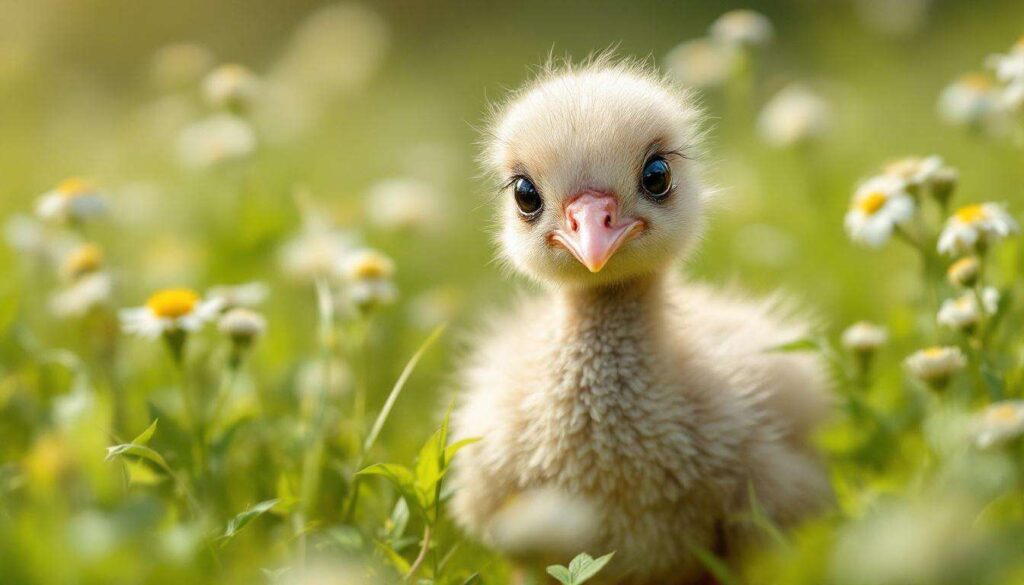
Social media platforms have recently ignited a wave of curiosity as countless users discover the proper terminology for a baby turkey. The revelation that these young birds are called poults has sparked widespread discussion, with many admitting they had previously referred to them simply as chicks or turkey babies. This newfound awareness highlights a broader gap in wildlife knowledge, particularly concerning species that play significant roles in both ecosystems and cultural traditions. Understanding the correct terminology represents more than mere semantics; it opens the door to appreciating the unique characteristics and developmental journey of these remarkable birds.
What is a baby turkey ?
The correct terminology and its origins
A baby turkey is officially known as a poult, a term that applies from the moment of hatching until approximately five weeks of age. This specific nomenclature distinguishes young turkeys from other avian offspring, particularly chicks, which specifically refers to baby chickens. The word “poult” derives from the Middle English term “poulet”, meaning young fowl, and has been used in ornithological contexts for centuries. Many people mistakenly use generic terms when referring to baby turkeys, but employing the correct terminology demonstrates respect for the species and enhances communication about wildlife.
Physical appearance at birth
Newly hatched poults present distinctive characteristics that set them apart from other young birds:
- They emerge covered in downy feathers with mottled brown and tan patterns that provide natural camouflage
- Their eyes are alert and functional immediately upon hatching, unlike some bird species born blind
- Poults possess disproportionately large feet relative to their body size, facilitating ground mobility
- They typically weigh between 50 and 60 grammes at birth
- Their beaks are soft initially but harden rapidly within the first few days
These physical attributes equip poults for their ground-dwelling lifestyle and enable them to begin foraging almost immediately after hatching. Understanding these initial characteristics provides insight into the subsequent developmental stages that transform poults into mature turkeys.
The characteristics of poults
Behavioural traits and social structure
Poults exhibit remarkably social behaviour from their earliest days, demonstrating complex interactions that rival those of more commonly studied species. Research indicates that young turkeys form intricate social hierarchies within their flocks, establishing bonds that can last throughout their lives. They engage in playful activities including chasing, jumping, and mock fighting, which serve essential developmental purposes. These behaviours help poults develop coordination, establish social rankings, and learn survival skills. The maternal bond between poults and their hen remains particularly strong during the first several weeks, with the mother providing protection, warmth, and guidance for foraging activities.
Dietary requirements and feeding patterns
The nutritional needs of poults differ significantly from those of adult turkeys, requiring careful attention to ensure proper development:
| Age Range | Primary Diet Components | Protein Requirements |
|---|---|---|
| 0-2 weeks | Insects, small invertebrates | 28-30% |
| 2-4 weeks | Insects, seeds, tender plant shoots | 24-26% |
| 4-8 weeks | Varied omnivorous diet | 20-22% |
During their first month, poults require a protein-rich diet consisting primarily of insects such as beetles, grasshoppers, and caterpillars. This high-protein intake supports rapid growth and feather development. The hen leads her brood to productive foraging areas, teaching them to identify suitable food sources. As poults mature, they gradually incorporate more plant material into their diet, including seeds, berries, and green vegetation. This dietary transition reflects their evolving nutritional requirements and prepares them for the omnivorous eating habits of adult turkeys.
Vulnerability and survival challenges
Poults face numerous threats during their critical early weeks, making survival a significant challenge. Predators including foxes, raccoons, hawks, and snakes pose constant dangers to young turkeys. Their inability to fly during the first few weeks leaves them particularly vulnerable to ground-based predators. Weather conditions also present substantial risks, as poults lack the thermoregulatory capabilities of adults and can succumb to hypothermia during cold, wet conditions. Statistics indicate that mortality rates for wild poults can reach 50-70% during their first month, highlighting the precarious nature of their early existence. These survival challenges underscore the importance of maternal protection and suitable habitat conditions.
These distinctive characteristics shape the early experiences of poults and directly influence their developmental trajectory as they progress towards maturity.
From poult to adult turkey: the journey
Physical development milestones
The transformation from poult to adult turkey involves dramatic physical changes occurring over several months. By four to five weeks, poults develop sufficient wing strength to achieve short flights, typically roosting in low tree branches at night for protection. Their downy natal plumage gradually gives way to juvenile feathers, which subsequently moult into adult plumage. Male poults, known as jakes, begin developing the characteristic fleshy protuberance called a snood at approximately three months of age. Female poults, called jennies, mature more subtly without the elaborate ornamental features of males. By six months, young turkeys have achieved approximately 75% of their adult size, though they continue growing until reaching full maturity around one year of age.
Behavioural maturation
As poults age, their behavioural repertoire expands considerably, incorporating the complex social and communication patterns characteristic of adult turkeys:
- Vocal development: poults progress from simple peeping sounds to the diverse vocalizations of adults, including gobbles, purrs, and alarm calls
- Flock dynamics: young turkeys learn their position within the social hierarchy through ongoing interactions
- Foraging independence: gradual separation from maternal guidance as self-sufficiency increases
- Territorial awareness: developing understanding of home range boundaries and resource distribution
- Predator recognition: refined ability to identify and respond appropriately to various threats
These behavioural developments prepare young turkeys for the challenges of independent adult life and successful reproduction.
Sexual maturity and reproduction
Turkeys typically reach sexual maturity between seven and twelve months of age, with females generally maturing slightly earlier than males. Adult males, called toms or gobblers, develop distinctive features including prominent snoods, colourful wattles, and elaborate tail feathers used in courtship displays. During breeding season, toms perform elaborate strutting displays to attract hens, fanning their tail feathers and producing resonant gobbling calls. Hens select mates based on these displays and subsequently build ground nests where they lay clutches of 10-14 eggs. The reproductive cycle thus completes the developmental journey that began when these birds first emerged as vulnerable poults.
Understanding this developmental progression provides context for appreciating how poults contribute to broader ecological systems.
The place of poults in the ecosystem
Role as prey species
Poults occupy a critical position in food webs as prey for numerous predator species. Their vulnerability during early development makes them an important food source for mammals including foxes, coyotes, bobcats, and raccoons. Avian predators such as hawks, owls, and eagles also rely on young turkeys as nutritional resources, particularly during breeding seasons when predators must feed their own offspring. This predator-prey relationship helps regulate populations of both turkeys and their predators, maintaining ecological balance. The high mortality rate among poults ensures that predator populations receive adequate nutrition whilst preventing turkey populations from exceeding habitat carrying capacity.
Impact on vegetation and seed dispersal
Even as juveniles, poults contribute to ecosystem processes through their foraging activities. Their consumption of insects helps control invertebrate populations, potentially reducing pest species that might otherwise damage vegetation. As poults incorporate more plant material into their diets, they begin participating in seed dispersal, consuming berries and other fruits and subsequently depositing seeds throughout their range. This dispersal activity promotes plant diversity and forest regeneration. Additionally, the ground-scratching behaviour of foraging poults aerates soil and incorporates organic matter, enhancing nutrient cycling and soil health in their habitats.
These ecological contributions extend beyond natural systems into cultural contexts where turkeys hold particular significance.
The role of poults in the tradition of Thanksgiving
Historical context of turkey domestication
The connection between turkeys and Thanksgiving traditions traces back centuries, though the birds consumed during these celebrations are typically domesticated adults rather than poults. Indigenous peoples of North America domesticated wild turkeys approximately 2,000 years ago, selectively breeding them for desirable characteristics including size, temperament, and meat quality. European colonists adopted turkey consumption, and the bird gradually became associated with harvest celebrations and, eventually, specifically with Thanksgiving. Understanding that today’s holiday turkeys descended from poults highlights the agricultural cycle that produces these birds, with poults hatched in spring reaching market weight by autumn.
Modern turkey farming and poult rearing
Contemporary turkey production involves sophisticated poult-rearing practices that differ substantially from natural conditions:
| Aspect | Wild Poults | Farmed Poults |
|---|---|---|
| Hatching environment | Ground nest | Commercial incubator |
| Maternal care | Hen-raised | Artificial brooding |
| Diet | Foraged insects and plants | Formulated feed |
| Time to market weight | 12-18 months | 14-18 weeks |
These farming practices enable the production of millions of turkeys annually to meet holiday demand, though they raise questions about animal welfare and the disconnect between consumers and agricultural realities.
Comparing poults with the young of other bird species reveals distinctive features that define turkey development.
Differences between poults and other young birds
Poults versus chicks
Whilst both poults and chicks refer to young birds, significant differences distinguish these terms and the species they describe. Chicks specifically denote baby chickens, which are typically smaller at hatching than poults and develop more rapidly. Chickens reach sexual maturity at approximately 16-24 weeks, considerably faster than turkeys. Behavioural differences also emerge early, with poults demonstrating more pronounced social bonding and complex flock dynamics compared to chickens. Physical distinctions include the poult’s more pronounced snood development and the characteristic head colouration that intensifies with emotional state, features absent in chickens.
Comparison with other game bird young
Poults share certain characteristics with other ground-nesting game bird offspring whilst maintaining distinctive features:
- Pheasant chicks: similar precocial development but smaller size and different plumage patterns
- Quail chicks: even more rapid development, reaching independence within two weeks compared to poults’ longer dependency period
- Grouse chicks: comparable ground-dwelling habits but adapted to different habitat types
- Duck ducklings: aquatic adaptation contrasts with poults’ terrestrial specialisation
- Goose goslings: similar family bonding but different dietary preferences and habitat requirements
Developmental timeline distinctions
The extended developmental period of poults distinguishes them from many other bird species. Whilst some birds achieve independence within days or weeks, poults maintain close associations with their mother for several months. This prolonged dependency period facilitates learning complex social behaviours and foraging techniques essential for survival. The gradual development of flight capabilities also contrasts with species that achieve full flight proficiency more rapidly. These timeline differences reflect evolutionary adaptations to specific ecological niches and survival strategies, demonstrating the diverse approaches avian species employ to ensure offspring survival and reproductive success.
The widespread discovery of the term “poult” represents more than a trivial linguistic revelation; it reflects growing public interest in wildlife knowledge and natural history. Understanding that baby turkeys possess a specific designation encourages deeper appreciation for the complexity of avian development and the rich terminology describing natural phenomena. As poults navigate their perilous early weeks, transforming from vulnerable hatchlings into the impressive birds recognised in both wild landscapes and cultural traditions, they exemplify the remarkable adaptations enabling species survival. Whether observed in natural habitats or considered within agricultural contexts, these young turkeys merit recognition by their proper name, acknowledging their unique place in ecosystems and human culture. Enhanced wildlife literacy benefits conservation efforts and fosters meaningful connections between people and the natural world, ensuring that future generations maintain awareness of and respect for the diverse species sharing our environment.