


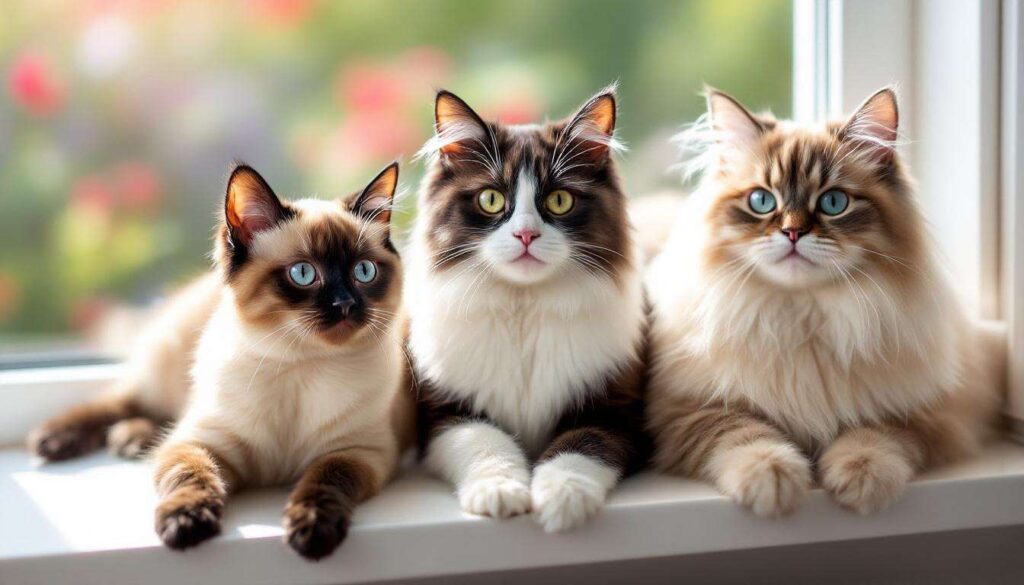
Feline companions bring immense joy to households across the globe, yet understanding their lifespan remains a crucial consideration for prospective and current cat owners. The longevity of these graceful creatures varies significantly depending on breed characteristics, environmental factors, and the quality of care they receive. Whilst some breeds demonstrate remarkable resilience and extended lifespans, others may face breed-specific health challenges that influence their years. Examining the average lifespan of popular breeds such as Siamese, Birman, and Persian cats provides valuable insights into what owners can expect and how they might optimise their pet’s health throughout their lifetime.
Cat life expectancy: what you need to know
General lifespan statistics
The average domestic cat typically lives between 12 and 18 years, though this figure fluctuates considerably based on numerous variables. Indoor cats generally enjoy longer lives compared to their outdoor counterparts, with some reaching their early twenties when provided with excellent care and favourable genetics. Understanding these baseline figures helps owners set realistic expectations and prepare for the long-term commitment required.
| Cat Type | Average Lifespan |
|---|---|
| Indoor cats | 15-20 years |
| Outdoor cats | 7-10 years |
| Mixed indoor/outdoor | 10-15 years |
Indoor versus outdoor living
The environment in which a cat resides dramatically impacts longevity. Indoor cats benefit from protection against traffic accidents, predators, infectious diseases, and exposure to harsh weather conditions. Outdoor cats face considerably more risks, including territorial disputes with other animals, poisoning from toxic substances, and increased vulnerability to parasites. This environmental distinction alone can account for a difference of nearly a decade in life expectancy, making it one of the most significant factors in feline longevity.
These foundational statistics provide context for examining how specific breeds perform within these general parameters and what unique characteristics they bring to the longevity equation.
Factors influencing cat longevity
Genetic predisposition and breed characteristics
Genetic heritage plays a fundamental role in determining how long a cat will live. Pedigree breeds often carry specific genetic traits that may predispose them to certain health conditions, whilst mixed-breed cats frequently benefit from greater genetic diversity. Some breeds have been selectively bred for particular physical characteristics that may inadvertently impact their overall health and lifespan. Understanding these breed-specific vulnerabilities enables owners to provide targeted preventative care.
Healthcare and veterinary attention
Regular veterinary check-ups constitute a cornerstone of feline longevity. Preventative healthcare measures significantly extend life expectancy through early detection of potential issues. Essential healthcare components include:
- Annual or bi-annual veterinary examinations
- Vaccination programmes tailored to lifestyle and risk factors
- Dental care to prevent periodontal disease
- Parasite prevention and control measures
- Prompt treatment of emerging health concerns
Nutrition and weight management
Dietary quality directly correlates with longevity and quality of life. Obesity represents one of the most prevalent health challenges facing domestic cats, contributing to diabetes, joint problems, and cardiovascular issues. A balanced diet appropriate to the cat’s age, activity level, and health status supports optimal functioning of bodily systems. High-quality protein sources, proper hydration, and controlled portion sizes form the foundation of nutritional wellness that can add years to a cat’s life.
Having established the broad factors affecting all cats, examining specific breeds reveals how these elements manifest differently across various feline populations.
Siamese cat: lifespan and specificities
Expected longevity of Siamese cats
Siamese cats are renowned for their impressive longevity, frequently living between 15 and 20 years, with some individuals reaching their mid-twenties. This breed demonstrates remarkable resilience when provided with appropriate care, making them one of the longer-lived pedigree varieties. Their vocal nature and social disposition often mean they form strong bonds with their owners, which may contribute to their wellbeing through enhanced mental stimulation and companionship.
Common health considerations
Despite their generally robust constitution, Siamese cats can be predisposed to certain conditions that owners should monitor. Progressive retinal atrophy, amyloidosis affecting the liver, and respiratory issues represent potential concerns. Regular veterinary screening helps identify these conditions early, enabling management strategies that preserve quality of life. Their slender build requires careful nutritional attention to maintain optimal body condition without excess weight gain.
The Siamese breed’s longevity sets a high standard, though other breeds demonstrate equally impressive lifespans through different characteristics.
Birman cat: a reputed longevity
Lifespan expectations for Birman cats
Birman cats typically enjoy a lifespan of 12 to 16 years, with many individuals surpassing these figures when given excellent care. This breed’s gentle temperament and moderate activity levels contribute to a relatively stress-free existence, which may positively influence their overall health trajectory. Their striking blue eyes and colour-point coat are accompanied by a generally hardy constitution that serves them well throughout their lives.
Breed-specific health profile
Birmans are generally considered a healthy breed with fewer genetic complications than some other pedigrees. However, they may occasionally experience hypertrophic cardiomyopathy or kidney issues in their senior years. Maintaining regular cardiac monitoring and renal function tests becomes increasingly important as these cats age. Their semi-long coat requires consistent grooming to prevent matting, which also provides opportunities for owners to detect any physical abnormalities early.
Whilst Birmans offer a balanced combination of beauty and longevity, Persian cats present a different profile that merits specific consideration.
Persian cat: a comfortable and long life
Persian cat lifespan overview
Persian cats generally live between 12 and 17 years, with their longevity heavily dependent on the quality of care they receive. Their distinctive flat facial structure and luxurious coat require dedicated maintenance, but when these needs are met, Persians can enjoy extended, comfortable lives. The breed’s calm and placid temperament makes them well-suited to indoor living, which naturally protects them from many external hazards.
Health challenges and management
The Persian’s brachycephalic facial structure predisposes them to respiratory difficulties and eye conditions requiring vigilant attention. Their shortened nasal passages can lead to breathing complications, particularly in warm weather or during physical exertion. Additional concerns include:
- Polycystic kidney disease, which requires genetic screening
- Dental malocclusions due to facial structure
- Eye discharge requiring daily cleaning
- Coat matting without regular grooming
Prospective Persian owners must commit to daily grooming routines and facial care to ensure their cat’s comfort and prevent complications. This intensive care requirement, when properly fulfilled, supports the breed’s potential for a long and contented life.
Understanding breed-specific characteristics provides valuable context, yet practical strategies can benefit cats of all varieties in achieving their maximum lifespan potential.
Tips to increase your cat’s lifespan
Optimal nutrition strategies
Feeding high-quality, age-appropriate food forms the foundation of longevity. Life-stage nutrition ensures that kittens, adults, and senior cats receive nutrients tailored to their developmental and maintenance needs. Avoiding excessive treats, maintaining consistent feeding schedules, and ensuring constant access to fresh water support metabolic health and prevent obesity-related complications.
Environmental enrichment and mental stimulation
Mental wellbeing significantly impacts physical health and longevity. Providing environmental enrichment through interactive toys, climbing structures, and puzzle feeders keeps cats mentally engaged and physically active. This stimulation prevents boredom-related behavioural issues and maintains cognitive function as cats age. Regular play sessions strengthen the human-animal bond whilst providing essential exercise.
Preventative healthcare protocols
Establishing a comprehensive preventative healthcare routine maximises lifespan potential. Key elements include:
- Maintaining current vaccinations appropriate to lifestyle
- Annual blood work to detect emerging issues
- Dental cleanings to prevent systemic infection
- Weight monitoring and body condition assessments
- Senior wellness examinations twice yearly for cats over seven years
These proactive measures enable early intervention when problems arise, dramatically improving treatment outcomes and extending quality years of life.
Feline longevity represents a complex interplay of genetics, environment, and care quality. Whilst breeds such as Siamese cats may naturally enjoy extended lifespans averaging 15 to 20 years, and Birman and Persian cats typically live between 12 and 17 years, individual outcomes vary considerably. The distinction between indoor and outdoor living alone can account for nearly a decade of difference in life expectancy. Regardless of breed, providing excellent nutrition, regular veterinary care, mental stimulation, and a safe environment offers every cat the opportunity to reach their maximum lifespan potential. Committed owners who understand their cat’s specific needs and implement comprehensive care strategies can reasonably expect many years of companionship with their feline friends.