



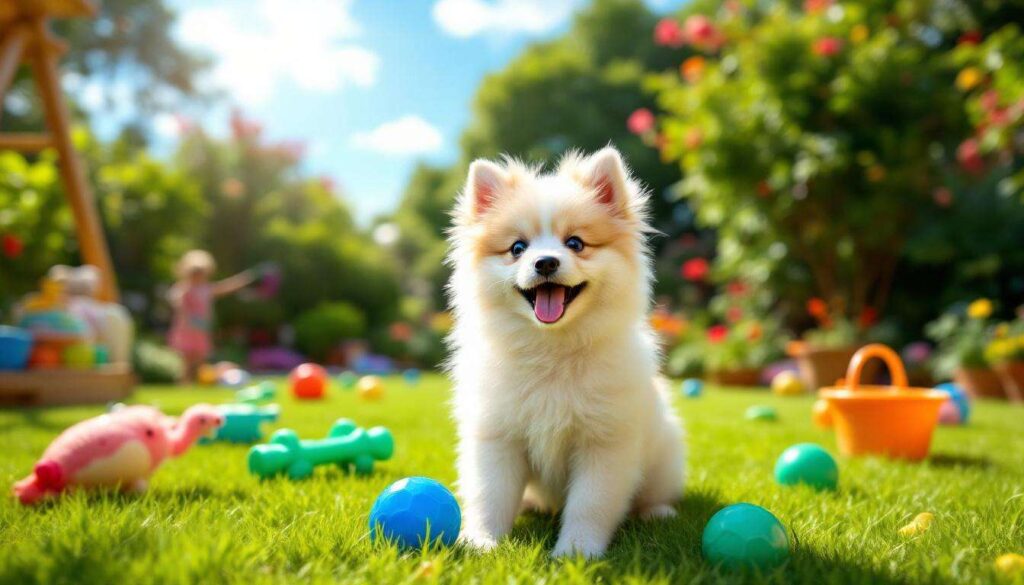
The German Spitz stands out as one of the most charming and spirited companion breeds, combining an elegant appearance with a lively personality. With their distinctive fox-like features, luxurious double coat, and alert expression, these dogs have captured the hearts of enthusiasts across the globe. However, their intelligence and independent streak require a thoughtful approach to training. Owners who understand the breed’s unique characteristics and apply consistent, positive methods will find themselves rewarded with a well-mannered and devoted companion. Proper education not only ensures harmonious cohabitation but also allows the German Spitz to flourish as the confident, sociable dog it was bred to be.
Introduction to the German Spitz: a unique breed
Origins and breed characteristics
The German Spitz represents one of the oldest European dog breeds, with a lineage tracing back centuries. These dogs were originally bred as watchdogs and companions, valued for their alertness and loyalty. The breed comes in several size varieties, ranging from the Toy Spitz to the larger Standard Spitz, each sharing the same distinctive features:
- A thick double coat that forms a pronounced ruff around the neck
- A plumed tail that curls over the back
- Erect, triangular ears that give an expression of perpetual attentiveness
- A wedge-shaped head with dark, intelligent eyes
Physical specifications and health considerations
Understanding the physical attributes of the German Spitz helps owners provide appropriate care and training. The breed exhibits remarkable variety in size, with weights ranging from 18 to 26 pounds for the standard variety. Height typically measures between 30 and 38 centimetres at the shoulder.
| Characteristic | Specification |
|---|---|
| Average lifespan | 13-15 years |
| Coat type | Double coat, dense undercoat |
| Exercise needs | Moderate to high |
| Grooming frequency | Weekly brushing minimum |
The breed generally enjoys robust health, though potential owners should be aware of conditions such as patellar luxation and dental issues. Regular veterinary check-ups and proper nutrition contribute significantly to longevity and quality of life.
With these foundational characteristics in mind, successful training begins with appreciating the temperament that makes this breed so distinctive.
Understanding the temperament of the German Spitz
Core personality traits
The German Spitz possesses a temperament that combines intelligence, independence, and devotion in equal measure. These dogs form strong attachments to their families whilst maintaining a natural wariness of strangers, a trait inherited from their watchdog heritage. Their alert nature means they remain constantly aware of their surroundings, ready to announce any perceived intrusion with their characteristic bark.
Key temperamental features include:
- High intelligence and quick learning ability
- Independent thinking that can manifest as stubbornness
- Strong loyalty to family members
- Natural suspicion of unfamiliar people and situations
- Energetic and playful disposition
- Vocal tendencies requiring management
The challenge of independence
Unlike breeds developed for constant human direction, the German Spitz was bred to think independently whilst guarding properties. This self-reliance translates into a dog that questions commands rather than blindly obeying. Owners must recognise this trait not as defiance but as an inherent characteristic requiring patient, consistent training approaches. The breed responds poorly to harsh corrections, instead thriving under positive reinforcement methods that respect their intelligence.
Energy levels and mental stimulation needs
Despite their compact size, German Spitz dogs possess considerable energy reserves. They require both physical exercise and mental challenges to prevent boredom-related behaviours. An under-stimulated Spitz may develop excessive barking, destructive tendencies, or anxiety. Successful owners incorporate varied activities that engage both body and mind, from structured walks to puzzle toys and training games.
Recognising these temperamental nuances provides the foundation for effective socialisation strategies that shape a well-adjusted adult dog.
Socialisation: a key aspect of education
The critical socialisation window
The period between 8 and 16 weeks represents the most crucial phase for socialising a German Spitz puppy. During this developmental window, puppies form lasting impressions about the world around them. Positive experiences during this time create confident, adaptable adults, whilst negative or absent socialisation can result in fearful, reactive dogs. Owners should begin socialisation immediately upon bringing a puppy home, prioritising gentle exposure over overwhelming situations.
Systematic exposure strategies
Effective socialisation involves carefully planned introductions to diverse stimuli. A comprehensive programme should include:
- Various human demographics: children, elderly individuals, people wearing hats or uniforms
- Different environments: urban streets, parks, veterinary clinics, pet-friendly shops
- Other animals: dogs of different sizes and breeds, cats, and livestock when possible
- Common household items: vacuum cleaners, washing machines, television sounds
- Transportation: car journeys, public transport where permitted
- Handling procedures: nail trimming, ear cleaning, veterinary examinations
Managing the watchdog instinct
The German Spitz’s natural alertness can transform into excessive suspicion without proper socialisation. Owners must distinguish between appropriate wariness and problematic reactivity. During socialisation sessions, reward calm behaviour around strangers rather than reinforcing anxious or aggressive responses. Gradual, controlled introductions help the dog learn that unfamiliar people and situations pose no threat whilst maintaining their natural protective instincts at appropriate levels.
Group classes and controlled interactions
Puppy socialisation classes offer invaluable structured environments for learning. These sessions provide supervised interactions with other vaccinated puppies, allowing young Spitz dogs to develop proper canine communication skills. Additionally, classes expose puppies to different training methods and handlers, building confidence and adaptability. Regular attendance reinforces learning and creates positive associations with novel experiences.
With a solid socialisation foundation established, owners can implement specific training techniques tailored to the breed’s unique learning style.
Training techniques suited to the German Spitz
Positive reinforcement as the cornerstone
German Spitz dogs respond exceptionally well to reward-based training methods. This approach utilises treats, praise, toys, and play to reinforce desired behaviours, creating enthusiastic learners rather than fearful followers. The breed’s intelligence means they quickly associate actions with consequences, making consistency crucial. Rewards should be immediate and varied to maintain interest and motivation.
Essential commands and timing
Training should commence from 8 weeks of age, beginning with fundamental commands that establish communication and boundaries. Priority commands include:
- Recall: the most critical safety command, practised in progressively distracting environments
- Sit and stay: foundational impulse control exercises
- Down: useful for calming and veterinary procedures
- Leave it: prevents scavenging and protects from hazards
- Quiet: essential for managing the breed’s vocal tendencies
Managing barking behaviour
The German Spitz’s propensity for vocalisation requires specific attention. Rather than attempting to eliminate barking entirely, training should focus on controlled alerting. Teach the “quiet” command by rewarding silence after a brief alert bark. Never shout at a barking Spitz, as this reinforces the behaviour by adding your voice to the commotion. Instead, redirect attention to an incompatible behaviour such as holding a toy or performing a command.
Short, engaging training sessions
The breed’s independent nature means attention spans can be limited during repetitive exercises. Sessions of 5 to 10 minutes several times daily prove more effective than lengthy training marathons. End each session on a positive note with a successfully completed command, maintaining enthusiasm for future training. Variety prevents boredom, so rotate between obedience work, trick training, and problem-solving games.
Addressing stubborn streaks
When a German Spitz appears stubborn, the issue typically stems from insufficient motivation or unclear communication rather than defiance. Assess whether rewards are sufficiently valuable, commands are consistent, and expectations are realistic. Breaking complex behaviours into smaller steps and rewarding incremental progress often resolves apparent stubbornness. Patience and creativity overcome resistance far more effectively than force or frustration.
These training principles gain additional effectiveness when combined with appropriate physical activity that channels the breed’s natural energy.
The importance of exercise for a happy Spitz
Daily exercise requirements
Despite their moderate size, German Spitz dogs require substantial daily activity to maintain physical health and mental balance. A minimum of 45 to 60 minutes of exercise daily prevents obesity, reduces behavioural problems, and strengthens the bond between dog and owner. This activity should combine structured walks with opportunities for free play and mental stimulation.
Varied physical activities
Diversifying exercise routines prevents boredom and develops different physical skills. Suitable activities include:
- Brisk walks exploring different routes and terrains
- Fetch games that engage natural chase instincts
- Agility training using obstacles and courses
- Swimming for low-impact cardiovascular exercise
- Interactive play with other well-matched dogs
- Hide-and-seek games that combine physical and mental challenges
Mental stimulation through nose work
The German Spitz possesses an excellent sense of smell that can be harnessed for enriching activities. Scent work exercises tire dogs mentally whilst providing natural outlets for instinctive behaviours. Simple nose work begins with hiding treats around the home or garden, progressing to more complex scent discrimination tasks. These activities prove particularly valuable during inclement weather when outdoor exercise is limited.
Balancing exercise with rest
Whilst activity is essential, adequate rest prevents overexertion and allows proper recovery. Puppies require shorter, more frequent exercise sessions with ample sleep between activities. Adult dogs benefit from established routines that balance stimulation with downtime. Observe individual energy levels and adjust accordingly, as requirements vary based on age, health status, and temperament.
Regular exercise naturally enhances the training relationship, creating additional opportunities for bonding and communication.
Building a strong bond with your Spitz through training
Training as relationship building
Beyond teaching commands, training sessions represent quality time that strengthens the emotional connection between owner and dog. The German Spitz’s loyalty deepens when they view their owner as a consistent, fair, and rewarding presence. Each successful training interaction builds trust and mutual understanding, transforming the relationship from simple cohabitation to genuine partnership.
Consistency across all family members
German Spitz dogs thrive when all household members apply uniform rules and expectations. Inconsistency creates confusion and undermines training progress. Family meetings to establish common commands, reward systems, and boundaries ensure everyone contributes positively to the dog’s education. This unified approach prevents the dog from learning to manipulate different family members or becoming anxious about conflicting signals.
Grooming as bonding time
The breed’s luxurious coat requires weekly brushing sessions that double as relationship-building opportunities. Regular grooming from puppyhood creates positive associations with handling, essential for veterinary visits and daily care. These sessions allow owners to check for health issues whilst providing calm, focused attention that many Spitz dogs find deeply satisfying.
Celebrating progress and individuality
Each German Spitz possesses unique strengths, challenges, and learning speeds. Comparing progress to other dogs creates unrealistic expectations and frustration. Instead, celebrate individual achievements and adapt training methods to suit the specific dog’s personality. This personalised approach demonstrates respect for the dog’s individuality, fostering confidence and enthusiasm for continued learning.
Training a German Spitz successfully requires understanding the breed’s distinctive characteristics, implementing appropriate socialisation, applying positive training techniques, providing adequate exercise, and viewing education as an ongoing relationship-building process. Owners who invest time and patience in these areas discover a devoted, well-mannered companion whose intelligence and spirit bring endless joy. The journey demands consistency and adaptability, but the reward of a harmonious partnership with this remarkable breed makes every effort worthwhile.