


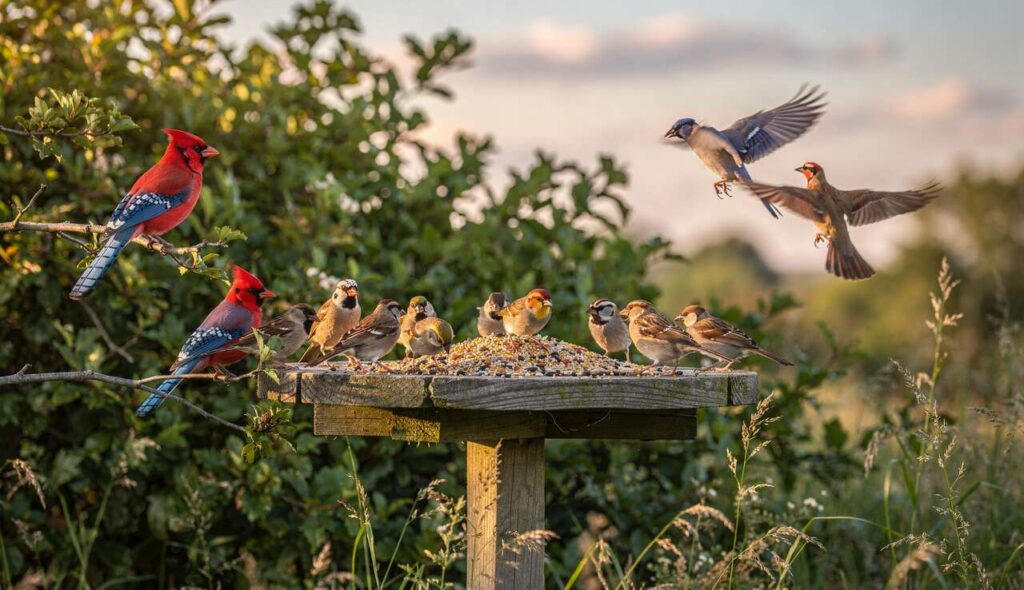
Across gardens and parks throughout the United Kingdom, well-meaning individuals scatter seeds and breadcrumbs daily, convinced they are providing vital sustenance for local bird populations. Whilst these efforts stem from genuine concern for avian welfare, many remain unaware that seeds alone constitute an incomplete diet for most bird species. The nutritional gap created by seed-only feeding regimes can have profound implications for bird health, breeding success, and ultimately the delicate balance of our ecosystems. Understanding what birds truly require to thrive reveals a surprising truth : the most essential component of their diet is often the one we overlook entirely.
Why seeds alone are not enough to feed birds
The nutritional limitations of seed-based diets
Seeds undoubtedly provide valuable nutrition, offering carbohydrates and certain fats that birds need for energy. However, they lack several crucial nutritional components that avian species require for optimal health. Most commercially available bird seed mixtures contain predominantly sunflower seeds, millet, and nyjer, which deliver calories but fall short in providing complete protein profiles and essential micronutrients.
The protein content in seeds, whilst present, does not contain all the amino acids birds need for tissue repair, feather growth, and metabolic function. Furthermore, seeds typically lack sufficient quantities of:
- Calcium necessary for bone development and eggshell formation
- Vitamin A crucial for immune function and vision
- Essential fatty acids required for brain development
- Trace minerals including iron and zinc
Seasonal nutritional demands
Bird nutritional requirements fluctuate dramatically throughout the year, with breeding season presenting particularly intense demands. During spring and summer, adult birds require substantially higher protein intake to support egg production and chick development. A diet consisting exclusively of seeds simply cannot meet these elevated requirements, leaving birds nutritionally compromised during their most vulnerable periods.
These fundamental nutritional shortcomings explain why even gardens with abundant seed feeders may witness declining bird populations or unsuccessful breeding attempts.
The importance of dietary diversity for birds
Natural feeding behaviours in wild populations
Observing birds in their natural habitats reveals remarkably varied diets that extend far beyond seeds. Different species have evolved specialised feeding strategies that exploit diverse food sources throughout the seasons. Robins probe soil for invertebrates, blue tits glean caterpillars from leaves, and thrushes hunt earthworms across lawns. This dietary diversity reflects evolutionary adaptations spanning millions of years.
Species-specific nutritional requirements
Not all birds share identical dietary needs, and understanding these differences proves essential for effective feeding:
| Bird species | Primary natural diet | Protein requirement |
|---|---|---|
| Blue tit | Insects and caterpillars | High (especially breeding season) |
| Chaffinch | Seeds and insects | Moderate |
| Robin | Insects and invertebrates | High year-round |
| Greenfinch | Seeds and some insects | Moderate to high |
Providing varied food sources accommodates these differing requirements and supports greater species diversity in garden environments.
The role of insects in avian nutrition
Insects as complete protein sources
Insects represent the most critical missing element in many supplementary feeding programmes. These invertebrates provide complete protein containing all essential amino acids in proportions perfectly suited to avian physiology. A single caterpillar contains more usable protein than dozens of sunflower seeds, along with vital fats and micronutrients that seeds simply cannot supply.
Research demonstrates that chicks raised on insect-rich diets show significantly improved growth rates, stronger immune systems, and higher survival rates compared to those fed predominantly seed-based diets.
The breeding season imperative
During nesting periods, the importance of insects becomes absolutely paramount. Parent birds require enormous quantities of invertebrates to feed rapidly growing chicks, with some species making hundreds of feeding trips daily. Blue tit parents, for instance, may collect over 1,000 caterpillars per day to satisfy their brood’s nutritional demands.
Without adequate insect availability, breeding success plummets. Chicks may experience:
- Stunted growth and development
- Weakened immune systems leading to higher mortality
- Deformed bone structure from calcium deficiency
- Poor feather quality affecting future survival
Understanding this critical relationship between insects and bird health reveals why even generous seed provision cannot compensate for insect scarcity.
Consequences of insufficient bird nutrition
Impact on breeding success and population dynamics
Inadequate nutrition manifests most dramatically in reduced reproductive success. Female birds on poor diets produce fewer eggs with thinner shells prone to breakage. Those eggs that do hatch produce weaker chicks with compromised survival prospects. Over successive breeding seasons, these impacts compound, leading to measurable population declines even in areas where food appears abundant.
Long-term health implications
Chronic nutritional deficiencies create cascading health problems extending beyond breeding failures. Adult birds suffering from protein and micronutrient deficiencies experience weakened immune systems, making them more susceptible to diseases and parasites. Poor nutrition also affects feather quality, compromising insulation and flight efficiency, which in turn reduces foraging success and predator avoidance.
These interconnected effects demonstrate why well-intentioned feeding that lacks nutritional completeness may inadvertently harm the very populations we seek to protect.
How to improve our bird feeding practices
Supplementing with insect-based foods
Fortunately, improving bird nutrition proves straightforward once we recognise the importance of insects. Live or dried mealworms provide excellent supplementary protein and are readily accepted by numerous species. Specialised insect-based bird foods now available commercially offer convenient alternatives to traditional seed mixtures.
Creating insect-friendly garden habitats
Perhaps the most effective long-term strategy involves cultivating environments that naturally support abundant insect populations. This approach provides birds with access to fresh, varied invertebrates whilst simultaneously supporting broader ecosystem health:
- Plant native flowering species that attract pollinators and herbivorous insects
- Reduce or eliminate pesticide use to allow insect populations to flourish
- Maintain areas of longer grass and wildflowers
- Leave seed heads standing through winter
- Create log piles and leaf litter areas for invertebrate habitat
- Install insect hotels to support solitary bee and wasp populations
Diversifying supplementary feeding
Beyond insects, offering varied food types supports different species and nutritional needs. Fat-based products provide essential calories during cold periods, whilst fruit attracts thrushes and blackcaps. Grated cheese offers calcium, particularly valuable during breeding season.
These enhanced feeding practices create environments where birds can access the complete nutritional spectrum they require throughout the year.
The benefits for the ecosystem of balanced bird nutrition
Supporting healthy bird populations
When birds receive proper nutrition, the positive effects ripple throughout local ecosystems. Healthy adult birds successfully raise more offspring, contributing to stable or increasing populations. These robust populations provide essential ecosystem services including pest control, seed dispersal, and pollination.
Strengthening food web connections
Encouraging insect-rich habitats whilst supporting bird populations strengthens the fundamental connections within food webs. Gardens that sustain both abundant invertebrates and thriving bird communities demonstrate greater overall biodiversity and resilience. This approach contrasts sharply with seed-only feeding, which creates artificial dependencies without addressing underlying ecological relationships.
The broader environmental benefits extend to improved soil health, enhanced pollination of garden plants, and natural pest management that reduces reliance on chemical interventions.
Transforming our approach to bird feeding from simple seed provision to comprehensive nutritional support represents a fundamental shift in conservation thinking. Recognising that insects constitute the essential missing element in many feeding programmes empowers us to make meaningful differences for bird welfare. By combining thoughtful supplementary feeding with habitat creation that supports natural insect populations, we provide birds with the complete nutrition they require for successful breeding, robust health, and long-term survival. This holistic approach benefits not only the birds themselves but strengthens entire ecosystems, creating gardens and green spaces that truly support biodiversity. The seeds we scatter represent only the beginning; genuine help comes when we ensure birds can access the protein-rich insects their biology demands.