



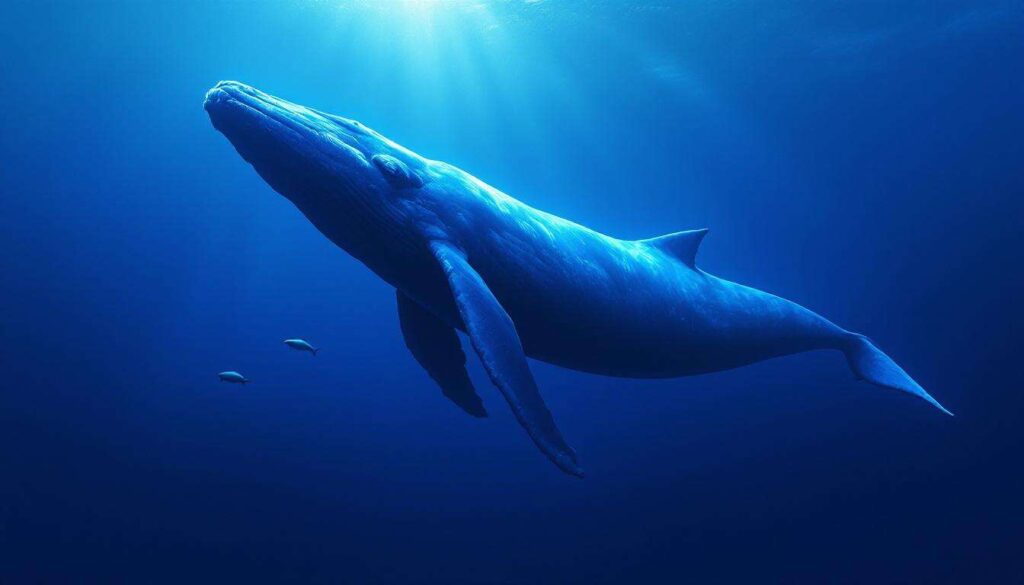
Scientific understanding of marine life has undergone remarkable transformations as technology and research methods have evolved. Amongst the most astonishing revelations of recent years concerns the actual lifespan of whales, creatures that have fascinated humanity for centuries. The assumptions held by marine biologists and researchers for decades have been challenged by groundbreaking studies that reveal these magnificent mammals live far longer than previously thought. This discovery not only reshapes our knowledge of whale biology but also carries profound implications for conservation strategies and our understanding of ageing processes in the natural world.
The extraordinary longevity of whales
Remarkable lifespans across species
Whales represent some of the most long-lived creatures on Earth, with certain species demonstrating lifespans that rival and even exceed those of any other mammal. The bowhead whale stands as the undisputed champion of longevity amongst cetaceans, with documented evidence suggesting individuals can survive for more than 200 years. This extraordinary duration places them amongst the longest-lived vertebrates known to science.
Different whale species exhibit varying lifespans that reflect their unique biological characteristics:
- Bowhead whales: over 200 years
- Southern right whales: up to 150 years
- Blue whales: estimated 80-110 years
- Humpback whales: approximately 80-90 years
- Grey whales: around 70 years
Biological mechanisms behind extended lifespans
The secret to whale longevity lies within their remarkable genetic makeup and physiological adaptations. These marine giants possess sophisticated cellular mechanisms that protect against the typical degradation associated with ageing. Their massive size, slow metabolism, and unique genetic traits combine to create an environment where cells can function optimally for extended periods. The cold ocean waters they inhabit may also play a role in slowing metabolic processes, contributing to their extended lifespans.
Understanding these biological foundations provides essential context for examining how scientific estimates have evolved over time.
Researchers have been wrong about whale life expectancy
Historical underestimations
For decades, the scientific community operated under the assumption that most large whale species lived between 70 and 80 years. These estimates were based on limited data collection methods and incomplete understanding of whale biology. Early researchers lacked the technological tools and long-term observational data necessary to accurately assess the true lifespan of these elusive ocean dwellers. The sheer difficulty of tracking individual whales over extended periods meant that many assumptions went unchallenged for generations.
Challenges in accurate measurement
Several factors contributed to the systematic underestimation of whale lifespans:
- Limited observation periods that failed to capture the full lifespan of individuals
- Reliance on indirect ageing methods with inherent inaccuracies
- Insufficient long-term population studies
- Technological limitations in tracking and identification
- Small sample sizes due to protected status and ocean vastness
The recognition of these methodological shortcomings has prompted a fundamental reassessment of previous conclusions.
Studies reveal a much longer lifespan
Breakthrough research findings
Recent publications in prestigious scientific journals have fundamentally altered our understanding of whale longevity. Research published in Science Advances has demonstrated that southern right whales can live up to 150 years, nearly double the previously accepted estimate. These findings emerged from sophisticated analytical techniques that combine multiple data sources to create comprehensive survivability models.
Advanced research methodologies
Modern researchers have employed photo-identification techniques to track individual whales across decades. By cataloguing distinctive markings, scars, and pigmentation patterns, scientists can follow the same individuals throughout their lives. This approach has enabled the development of detailed survivability curves that estimate the probability of whales disappearing from photographic records over time. The methodology represents a significant improvement over earlier techniques that relied on physical examination of deceased specimens.
| Species | Previous estimate | Current estimate | Increase |
|---|---|---|---|
| Southern right whale | 70-80 years | Up to 150 years | 87-114% |
| Bowhead whale | 100-130 years | Over 200 years | 54-100% |
Tragic exceptions to longevity
Not all whale populations benefit from extended lifespans. North Atlantic right whales currently face a drastically reduced life expectancy of approximately 22 years, primarily due to anthropogenic threats. Entanglement in fishing gear and collisions with vessels have created a crisis situation where these whales rarely reach their natural lifespan potential. This stark contrast highlights the impact of human activity on marine mammal populations.
These discoveries have prompted scientists to investigate the underlying genetic factors responsible for exceptional longevity.
The mystery of the large whales unveiled
The role of the P53 gene
One of the most significant breakthroughs in understanding whale longevity centres on the P53 gene, particularly as found in bowhead whales. This gene functions as a crucial guardian of cellular integrity, playing an essential role in cancer suppression and DNA repair. When cellular damage occurs, the P53 gene activates repair mechanisms that restore normal function and prevent the proliferation of potentially cancerous cells. This sophisticated defence system represents a fundamental component of the bowhead whale’s remarkable longevity.
Genetic adaptations for extended life
Whales possess numerous genetic traits that distinguish them from shorter-lived mammals:
- Enhanced DNA repair mechanisms that maintain cellular integrity
- Superior cancer resistance despite large body size and cell numbers
- Efficient removal of damaged proteins and cellular components
- Optimised metabolic processes that minimise oxidative stress
- Robust immune systems that combat pathogens effectively
Implications for human longevity research
The study of whale genetics offers fascinating possibilities for understanding human ageing. The mechanisms that allow whales to avoid age-related diseases and maintain cellular function for centuries could inform strategies to prevent premature ageing in humans. Researchers are particularly interested in how whale cells resist cancer despite the increased risk that should theoretically accompany their large body size and extended lifespans.
These scientific insights carry significant weight for practical conservation efforts.
Implications for species conservation
Revised conservation strategies
Understanding the true lifespan of whales fundamentally changes conservation planning and management. Species that live for 150 to 200 years require different protection strategies than those with shorter lifespans. These long-lived creatures reach sexual maturity later, reproduce less frequently, and require decades to recover from population declines. Conservation programmes must therefore adopt multi-generational perspectives that account for the extended timescales involved in whale population dynamics.
Population recovery timelines
The extended lifespans of whales mean that population recovery occurs much more slowly than previously calculated. A species that takes 20 to 30 years to reach reproductive maturity and lives for over a century requires protection measures that span human generations. This realisation has prompted conservationists to reassess recovery targets and timelines for endangered whale populations.
Addressing anthropogenic threats
Human activities pose the greatest threat to whale longevity:
- Entanglement in fishing gear causing injury and death
- Ship strikes resulting in fatal collisions
- Ocean noise pollution disrupting communication and navigation
- Climate change affecting food availability and habitat
- Chemical pollution accumulating in tissues over decades
These insights into whale biology pave the way for a transformed perspective on these marine mammals.
Towards a new understanding of these sea giants
Reshaping scientific paradigms
The revelation of extended whale lifespans represents a paradigm shift in marine biology. It demonstrates how scientific understanding evolves as methodologies improve and observation periods extend. This transformation encourages researchers to question other long-held assumptions about marine life and to develop more sophisticated approaches to studying ocean ecosystems. The recognition that whales can live for centuries changes how we perceive their role in marine environments and their interactions with other species.
Future research directions
Ongoing studies continue to explore the mechanisms underlying whale longevity. Scientists are investigating how these insights might translate to other species and what lessons can be applied to human health. The potential for discovering novel approaches to combating age-related diseases and extending healthy lifespans makes whale research a priority for both marine biology and medical science.
Educational and cultural impact
These discoveries also carry profound educational value, inspiring public interest in marine conservation and scientific research. Understanding that individual whales may have been alive for over a century creates a personal connection that motivates protection efforts. The knowledge that a whale swimming today might have been born before modern industrial society fundamentally alters our relationship with these creatures.
The scientific community has demonstrated remarkable progress in understanding whale biology, yet these discoveries underscore how much remains unknown about ocean life. The extended lifespans now documented for multiple whale species reveal that these animals are even more remarkable than previously imagined. Their genetic adaptations offer valuable insights for medical research whilst their vulnerability to human threats demands immediate conservation action. Protecting whales means safeguarding creatures that may live for two centuries, maintaining ocean ecosystem balance, and preserving biological knowledge that could benefit humanity. The reassessment of whale life expectancy serves as a reminder that scientific understanding constantly evolves and that protecting marine environments remains essential for both current and future generations.