



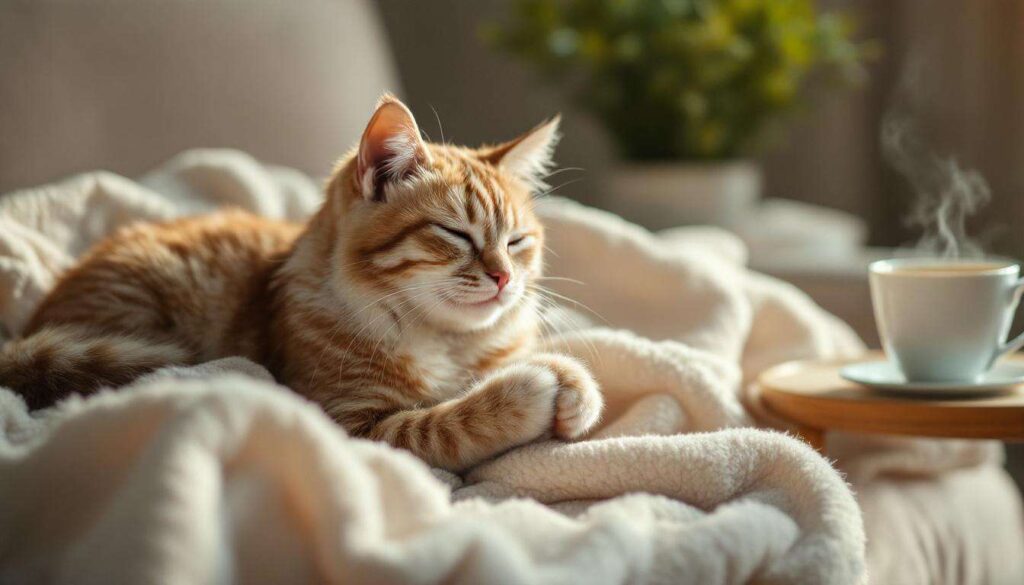
Cats have long fascinated their human companions with behaviours that seem both endearing and mysterious. Among the most common yet intriguing actions is kneading, where felines rhythmically push their paws into soft surfaces such as blankets, cushions or even their owner’s lap. This repetitive motion, often accompanied by purring and a contented expression, raises questions about its purpose and significance. Whilst it may appear to be simply a quirky habit, kneading is deeply rooted in feline biology and psychology, offering valuable insights into how cats communicate comfort, security and affection.
Understanding cats’ kneading behaviour
The origins in kittenhood
Kneading begins during the earliest stages of a cat’s life. Newborn kittens instinctively press their tiny paws against their mother’s belly whilst nursing. This rhythmic pressing stimulates milk flow, ensuring they receive adequate nourishment. The action becomes associated with warmth, safety and maternal care, creating a powerful emotional imprint that persists into adulthood. When adult cats knead, they often revert to this kitten-like state, experiencing feelings of comfort and security reminiscent of those early bonding moments.
Scent marking and territorial claims
Beyond nostalgia, kneading serves a practical purpose in feline communication. Cats possess scent glands located in their paw pads, which release pheromones during kneading. This scent marking allows cats to:
- Claim ownership of a particular surface or area
- Establish familiarity with their environment
- Communicate their presence to other animals
- Strengthen their bond with favourite people or places
This territorial behaviour reflects an instinct inherited from wild ancestors who needed to mark safe spaces within their territory.
Preparing a comfortable resting spot
Wild cats historically kneaded tall grass, leaves or soft earth to create a comfortable nest for sleeping or giving birth. Domestic cats retain this ancestral instinct, often kneading bedding, sofas or other soft surfaces before settling down for a nap. This preparatory behaviour demonstrates how deeply ingrained certain survival mechanisms remain, even in pampered household pets.
Understanding these multifaceted origins helps explain why kneading appears in various contexts throughout a cat’s daily routine. However, this natural behaviour can sometimes create challenges for owners.
When kneading can pose a problem
Damage to furniture and fabrics
Whilst kneading is harmless in intent, the physical action can cause significant damage to household items. Sharp claws can snag and tear delicate fabrics, leaving pulls in upholstery, blankets and clothing. Over time, repeated kneading in the same spot can create visible wear patterns or even holes in favourite furniture pieces.
| Surface type | Potential damage | Risk level |
|---|---|---|
| Leather sofas | Scratches and punctures | High |
| Knitted blankets | Pulled threads and holes | Very high |
| Cotton bedding | Minor snagging | Moderate |
| Microfibre fabrics | Minimal damage | Low |
Physical discomfort for owners
Cats often choose to knead directly on their owner’s lap or chest, which can become uncomfortable or even painful when sharp claws penetrate clothing and skin. This is particularly problematic when cats become deeply relaxed and apply more pressure, extending their claws fully. The repeated puncturing sensation can discourage owners from allowing close contact, potentially disrupting the human-animal bond.
Excessive kneading and anxiety indicators
In some cases, obsessive or excessive kneading may signal underlying stress or anxiety. Cats experiencing environmental changes, health issues or emotional distress might knead more frequently as a self-soothing mechanism. Recognising when kneading crosses from normal behaviour into compulsive territory requires careful observation of frequency, intensity and accompanying signs of distress.
Recognising these potential issues naturally leads to questions about whether such behaviour warrants concern from a health perspective.
Should you be concerned about your cat kneading ?
Normal versus problematic kneading
In most circumstances, kneading represents perfectly healthy feline behaviour. Cats that knead whilst purring, with relaxed body language and half-closed eyes, are simply expressing contentment. This behaviour requires no intervention and should be viewed as a positive sign of emotional well-being and trust in their environment.
Warning signs requiring attention
However, certain accompanying behaviours may indicate that veterinary consultation is advisable:
- Kneading accompanied by excessive vocalisation or distress signals
- Sudden onset of kneading in previously non-kneading cats
- Kneading combined with loss of appetite or lethargy
- Aggressive kneading that seems compulsive rather than comforting
- Kneading associated with suckling on fabrics or self-harm
Health considerations
Rarely, changes in kneading patterns might reflect medical issues such as pain, neurological conditions or hormonal imbalances. Cats experiencing discomfort may knead more intensely as a coping mechanism, or conversely, may cease kneading altogether if movement causes pain. Monitoring overall behaviour patterns alongside kneading habits provides a more complete picture of feline health.
Understanding what constitutes normal behaviour requires examining the deeper evolutionary reasons behind this instinct.
The natural instinct behind kneading
Evolutionary advantages
From an evolutionary perspective, kneading served multiple survival functions for wild felines. The ability to create comfortable resting areas protected cats from harsh ground conditions and potential predators. Scent marking through paw glands helped establish territory without aggressive confrontations, conserving energy for hunting and reproduction.
Emotional regulation mechanism
Modern research suggests that kneading activates neurological pathways associated with comfort and stress relief. The repetitive motion may trigger endorphin release, similar to how humans find comfort in repetitive activities like knitting or rocking. This self-soothing aspect explains why cats often knead when settling down to sleep or when seeking reassurance during stressful situations.
Social bonding behaviour
Kneading also functions as a social communication tool within feline relationships. Cats may knead other cats, dogs or humans to express affection and strengthen bonds. This behaviour demonstrates trust and contentment, effectively saying “I feel safe with you” in feline body language. The combination of scent marking and physical contact creates a multi-sensory bonding experience.
Whilst understanding the instinct is valuable, owners often need practical guidance when kneading becomes uncomfortable.
How to respond if your cat hurts you by kneading
Gentle redirection techniques
When kneading becomes painful, avoid punishment or negative reactions, which can damage trust and create anxiety. Instead, gently lift the cat and place them on a designated soft surface such as a blanket or cushion. Consistent redirection teaches cats where kneading is welcome without discouraging the behaviour entirely.
Protective barriers
Practical solutions include:
- Placing a thick blanket on your lap before allowing your cat to settle
- Wearing heavier clothing during typical kneading times
- Keeping a dedicated kneading blanket nearby for quick placement
- Using pet-safe nail caps to blunt claw tips temporarily
Regular claw maintenance
Maintaining properly trimmed claws significantly reduces discomfort during kneading. Regular trimming every two to three weeks keeps claws at a manageable length without eliminating the cat’s ability to engage in natural behaviours. Introducing claw trimming gradually with positive reinforcement ensures the process remains stress-free for both cat and owner.
Positive reinforcement strategies
Rewarding cats when they knead appropriate surfaces reinforces desired behaviour. Offering treats, gentle praise or extended petting when cats choose designated kneading areas creates positive associations that encourage repetition. This approach respects the cat’s instinctive needs whilst protecting household items and human comfort.
Observing how cats knead reveals interesting variations in this common behaviour.
The different forms of kneading in cats
Variations in technique
Not all cats knead identically. Some employ a gentle, rhythmic motion with minimal claw extension, whilst others engage in vigorous kneading with fully extended claws. The intensity often correlates with the cat’s emotional state, with deeply relaxed cats kneading more slowly and contentedly.
Kneading with additional behaviours
Many cats combine kneading with other actions:
- Purring simultaneously, indicating maximum contentment
- Drooling slightly, a sign of extreme relaxation
- Suckling on blankets or clothing, particularly in cats weaned early
- Treading with back paws in addition to front paws
Surface preferences
Individual cats display distinct preferences for kneading surfaces. Some favour soft, yielding materials like fleece or wool, whilst others prefer firmer surfaces such as leather or dense cushions. These preferences may relate to texture memories from kittenhood or simply individual sensory preferences.
Frequency and timing patterns
Kneading frequency varies considerably among cats. Some knead multiple times daily, particularly before sleeping or during affectionate moments, whilst others rarely display this behaviour. Environmental factors, personality traits and early life experiences all influence how often and when cats choose to knead.
Kneading represents far more than a charming quirk of feline behaviour. This instinctive action connects modern cats to their evolutionary past whilst serving important emotional and communicative functions in the present. Whether marking territory, seeking comfort or expressing affection, cats that knead are engaging in a complex behaviour rooted in survival, bonding and emotional regulation. Understanding the various motivations behind kneading allows owners to appreciate this gesture as a sign of trust and contentment. By managing the practical challenges through gentle redirection, environmental modifications and regular claw care, owners can preserve the positive aspects of kneading whilst minimising discomfort. Recognising the different forms and contexts of kneading provides deeper insight into individual feline personalities and needs, strengthening the bond between cats and their human companions.