



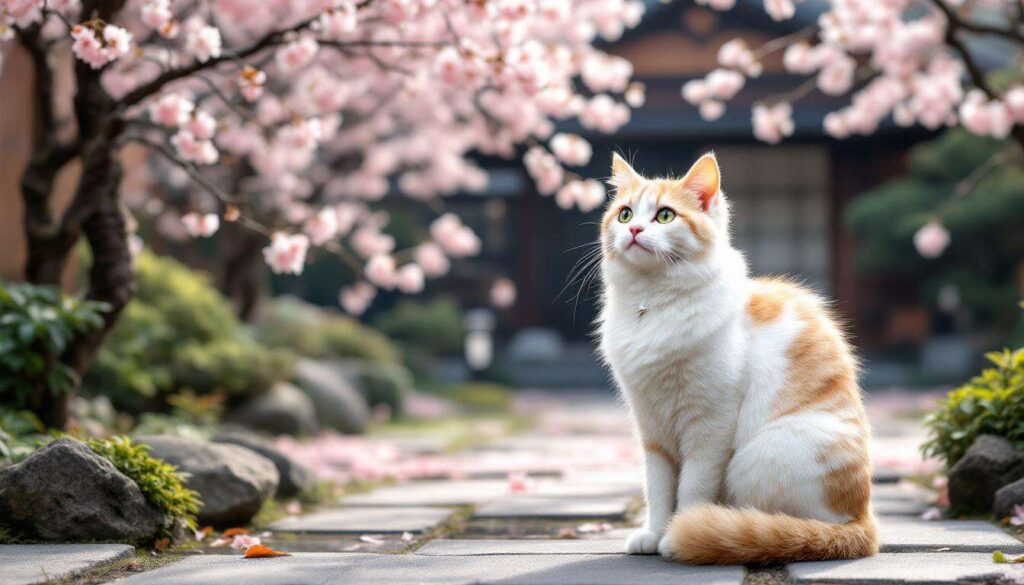
From ancient imperial courts to bustling modern cities, felines have captured the hearts and imaginations of the Japanese people. This profound connection transcends simple pet ownership, weaving itself into the very fabric of Japanese society through art, religion, commerce and entertainment. The sight of a maneki-neko figurine beckoning customers into a shop or the popularity of cat-themed merchandise reveals a cultural phenomenon that has endured for centuries and shows no signs of diminishing.
The fascinating history of cats in Japan
Aristocratic beginnings and imperial favour
Cats first arrived in Japan approximately one thousand years ago, initially serving a practical purpose aboard ships transporting Buddhist scriptures from China. These felines protected precious manuscripts from rodents during the long maritime journey. Upon arrival, cats quickly transitioned from working animals to cherished companions of the aristocracy. The imperial court embraced these elegant creatures as symbols of refinement and status, reserving cat ownership as a privilege of the wealthy elite.
During the Heian period, cats became so valued that they were often kept on leashes and treated with extraordinary care. Historical records describe elaborate ceremonies surrounding the birth of kittens in noble households, demonstrating the elevated status these animals enjoyed among Japan’s upper classes.
Democratisation and cultural integration
As centuries progressed, cat ownership gradually spread beyond aristocratic circles. The middle classes began welcoming felines into their homes, transforming cats from exclusive status symbols into beloved household members across Japanese society. This democratisation occurred alongside significant shifts in how cats were perceived and utilised:
- Practical rodent control in merchant districts and warehouses
- Companionship for urban dwellers in increasingly crowded cities
- Integration into religious practices and temple life
- Emergence as subjects in visual arts and literature
This widespread acceptance laid the groundwork for the profound cultural significance cats would eventually achieve, setting the stage for their prominent role in Japanese folklore and spiritual beliefs.
Cats in Japanese folklore
Supernatural felines and yokai legends
Japanese folklore brims with tales of supernatural cats possessing extraordinary powers. These creatures, classified as yokai, occupy a unique position in the spiritual landscape. The bakeneko represents perhaps the most famous feline yokai, described as a cat that has lived long enough to develop magical abilities, including shapeshifting into human form. These transformation stories often served as cautionary tales, warning against mistreating animals or becoming complacent about the mysterious forces surrounding everyday life.
Another prominent yokai, the nekomata, features a forked tail and even greater supernatural powers than the bakeneko. Folklore suggests these creatures could manipulate the dead, create ghostly fireballs, and curse those who wronged them. Such stories reflect the dual nature of cats in Japanese consciousness: simultaneously adorable and potentially dangerous.
The maneki-neko: fortune and prosperity
Contrasting sharply with malevolent yokai, the maneki-neko or beckoning cat represents good fortune and commercial success. This iconic figurine, typically depicted with one raised paw in a beckoning gesture, has become ubiquitous in Japanese businesses and homes. The symbolism varies depending on specific features:
| Feature | Meaning |
|---|---|
| Right paw raised | Attracts money and prosperity |
| Left paw raised | Welcomes customers and visitors |
| Gold colour | Wealth and financial success |
| White colour | Purity and happiness |
This duality in folklore, where cats embody both benevolent and malevolent forces, adds depth to Japan’s relationship with these animals, making them subjects of endless fascination and respect. These contrasting narratives have profoundly influenced how cats appear in modern Japanese popular culture and media.
Cats and kawaii culture: a modern romance
The essence of kawaii and feline appeal
The concept of kawaii, often translated as cuteness, permeates Japanese aesthetics and consumer culture. Cats embody this ideal perfectly with their round faces, large eyes, and playful behaviours. The kawaii movement, which gained momentum in the latter half of the twentieth century, found in cats the perfect mascots for expressing tenderness, innocence and approachability.
This cultural preference for cuteness extends far beyond children’s entertainment, influencing adult fashion, workplace culture, and even government communications. Cats, with their inherently endearing qualities, became natural ambassadors for this aesthetic philosophy.
Commercial success and merchandise phenomenon
The intersection of cats and kawaii culture has generated a massive commercial industry. Cat-themed products dominate Japanese retail spaces, ranging from stationery and clothing to home décor and electronics accessories. This merchandising success reflects deeper cultural values:
- Emotional comfort through cute imagery in stressful urban environments
- Social bonding over shared appreciation of feline characters
- Expression of personality through cat-themed accessories
- Nostalgia for childhood favourites and beloved characters
The economic impact proves substantial, with cat-related merchandise generating billions in revenue annually. This commercial success demonstrates how deeply feline imagery resonates with Japanese consumers across all age groups. These beloved characters have naturally transitioned into starring roles across various forms of contemporary media.
Cats in contemporary Japanese media
Iconic feline characters
Japanese media has produced some of the world’s most recognisable cat characters. These creations have achieved global recognition whilst maintaining distinctly Japanese characteristics. The blue robotic cat from the future has entertained generations with stories emphasising friendship, problem-solving and moral lessons. Meanwhile, the simple design of a white cat with a red bow has become a international symbol of Japanese cute culture, generating enormous commercial success.
These characters succeed because they embody values important to Japanese society: loyalty, kindness, perseverance and emotional warmth. Their feline nature allows them to be simultaneously relatable and fantastical, bridging everyday experiences with imaginative storytelling.
Cats in anime, manga and social media
Beyond individual iconic characters, cats appear throughout Japanese visual media as companions, protagonists and symbolic elements. Anime series frequently feature cats as familiar spirits, guardians or comic relief, whilst manga artists use feline characters to explore complex themes through accessible narratives.
Social media has amplified this presence exponentially. Japanese cat accounts dominate platforms, sharing daily adventures of real felines with millions of followers. This digital phenomenon has created celebrity cats whose influence extends to product endorsements and tourism promotion. The online cat community reflects broader Japanese appreciation for documenting everyday beauty and finding joy in simple moments. This digital fascination complements physical spaces where people can interact directly with cats.
Cat Cafés: a unique urban haven
Origins and concept
The first cat café opened in Taiwan, but Japan rapidly embraced and perfected the concept, transforming it into a cultural institution. These establishments provide customers with opportunities to enjoy beverages whilst interacting with resident cats in comfortable, designed environments. The concept addresses specific challenges of urban Japanese life:
- Rental properties frequently prohibit pet ownership
- Long working hours limit time for pet care responsibilities
- Small living spaces make cat ownership impractical
- Desire for stress relief and emotional comfort
Cat cafés offer solutions to these constraints, providing temporary feline companionship without long-term commitments or housing restrictions.
Therapeutic benefits and social function
Research indicates that interacting with cats reduces stress, lowers blood pressure and improves mood. In Japan’s high-pressure work culture, cat cafés serve as accessible wellness spaces where visitors can decompress and recharge. The establishments typically maintain calm atmospheres with rules protecting both cats and customers, ensuring positive experiences for all.
Beyond individual wellness, these venues function as social spaces where cat enthusiasts connect over shared interests. This community aspect proves particularly valuable in urban environments where traditional neighbourhood bonds have weakened. The popularity of cat cafés demonstrates how Japanese society has institutionalised its affection for felines, creating spaces that honour both practical needs and deeper cultural values.
Symbolism of cats in Japanese culture
Multifaceted symbolic meanings
Cats carry rich symbolic significance throughout Japanese culture, representing concepts that sometimes contradict yet coexist harmoniously. They symbolise independence and mystery, qualities admired in a society that values both community cohesion and personal dignity. Their association with good fortune and prosperity makes them welcome presences in businesses and homes alike.
Simultaneously, folklore traditions acknowledge cats’ potential for mischief and supernatural danger, creating a respectful wariness that adds depth to cultural attitudes. This duality reflects Japanese comfort with ambiguity and acceptance that entities can embody multiple, even opposing, characteristics.
Contemporary relevance and demographic shifts
Modern Japan’s relationship with cats reflects significant societal changes. With more than nine million companion cats nationwide, felines have become central to many households. The pet population now exceeds the number of children under fifteen, indicating shifting priorities regarding family structure and companionship.
This demographic reality has spawned industries dedicated to pet care, including specialised veterinary services, premium food products, and pet insurance. The economic and emotional investment in cats reveals their elevated status as family members rather than mere pets, embodying companionship in an aging society where traditional family structures evolve.
The Japanese obsession with cats emerges from centuries of cultural evolution, blending historical precedent with contemporary needs. From aristocratic companions to yokai legends, from kawaii culture to cat cafés, felines have secured an irreplaceable position in Japanese life. This enduring fascination reflects deeper values: appreciation for beauty, comfort with duality, and the human need for connection. As society continues evolving, cats remain constant companions, adapting their symbolic and practical roles whilst maintaining their special place in Japanese hearts and homes.