



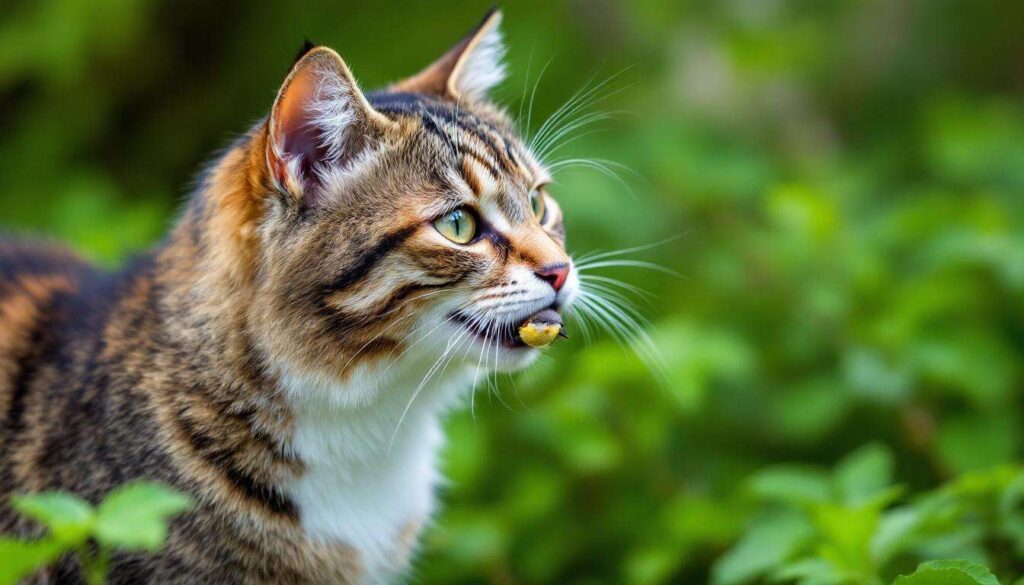
Discovering a lifeless mouse or bird on your doorstep might seem like an unwelcome gift, yet this behaviour represents one of the most fascinating aspects of feline psychology. Domestic cats, despite generations of domestication and comfortable indoor living, retain powerful predatory instincts that drive them to hunt and present their catches to their human companions. Far from being random acts, these offerings are rooted in complex biological programming and social behaviours that scientists have studied extensively.
Understanding feline hunting behaviour
The evolutionary foundation of cat hunting
Cats belong to the family Felidae, a group of obligate carnivores that have evolved over millions of years to become highly efficient predators. Their anatomy reflects this specialisation, with retractable claws, sharp teeth designed for tearing meat, and exceptional sensory capabilities including superior night vision and acute hearing. These physical adaptations enable cats to detect, stalk, and capture prey with remarkable precision.
The hunting sequence in cats follows a predictable pattern that remains consistent across domestic and wild species. This sequence includes:
- Visual or auditory detection of potential prey
- Stalking with a lowered body posture
- The characteristic wiggling motion before pouncing
- The rapid strike and capture
- The killing bite targeting the neck area
Hunting as a hardwired behaviour
Research demonstrates that hunting behaviour in cats operates independently from hunger. Even well-fed domestic cats will pursue, capture, and kill prey because the hunting drive is controlled by different neurological mechanisms than those governing appetite. This explains why your cat might ignore their full food bowl yet enthusiastically chase a garden mouse.
Studies have shown that the hunting instinct emerges early in feline development, with kittens as young as six weeks displaying predatory behaviours during play. These behaviours become increasingly refined through practice and observation, particularly when kittens learn from their mothers.
This understanding of innate hunting patterns naturally leads to examining the specific predatory instincts that drive feline behaviour.
The natural predation instinct
The role of maternal teaching
Mother cats play a crucial role in developing their offspring’s hunting abilities. Female cats typically bring live prey to their kittens, allowing them to practice capture techniques in a controlled environment. This educational process occurs in stages, beginning with dead prey, progressing to injured animals, and eventually involving fully functional prey that kittens must catch themselves.
Kittens raised without this maternal instruction still develop hunting behaviours, confirming that whilst technique can be refined through teaching, the fundamental drive to hunt is instinctive. Indoor cats who have never encountered live prey will still exhibit hunting behaviours through play, pouncing on toys, and stalking movements.
Prey preferences and hunting success
Research indicates that individual cats develop preferences for certain types of prey based on early experiences and success rates. The following table illustrates typical prey categories and hunting characteristics:
| Prey type | Hunting difficulty | Frequency captured |
|---|---|---|
| Small rodents | Moderate | High |
| Birds | High | Moderate |
| Insects | Low | Very high |
| Reptiles | Moderate to high | Low to moderate |
Environmental factors significantly influence hunting success, with cats demonstrating greater effectiveness during dawn and dusk when their visual advantages over prey are maximised.
Having established the biological foundations of hunting, we can now explore the specific reasons cats choose to bring their captures home.
Why cats bring prey home
The sharing hypothesis
One prominent theory suggests that cats bring prey home as a form of resource sharing within their social group. In feline social structures, successful hunters may share food with other group members, particularly with those who are less capable of hunting. Your cat may perceive you as part of their social group and, recognising your apparent inability to hunt, attempts to supplement your diet with their catches.
The teaching theory
Another compelling explanation draws parallels with maternal teaching behaviour. Just as mother cats bring prey to their kittens, your cat might be attempting to educate you in proper hunting techniques. This interpretation suggests that your cat views you as a somewhat incompetent hunter who requires instruction. The presentation of prey represents an attempt to demonstrate proper hunting skills and encourage you to develop these abilities.
Safe consumption location
Practical considerations also influence this behaviour. Cats often prefer to consume or store their prey in locations they perceive as safe and secure. Your home represents a protected territory where your cat feels comfortable and free from threats. Bringing prey home allows the cat to eat without the risk of having their meal stolen by competitors or being vulnerable to predators whilst distracted.
These behavioural explanations gain additional depth when examined through the lens of scientific research.
Scientific explanations for this behaviour
Neurological mechanisms
Neuroscientific research has identified specific brain regions responsible for predatory behaviour in cats. The hypothalamus plays a central role in triggering hunting sequences, whilst the cerebral cortex processes sensory information necessary for successful prey capture. These neural pathways remain active regardless of feeding status, explaining why satiated cats continue to hunt.
Studies using brain imaging technology have revealed that hunting activities stimulate reward centres in the feline brain, releasing dopamine and creating pleasurable sensations. This neurochemical response reinforces hunting behaviour, making it intrinsically rewarding beyond any nutritional benefit.
Behavioural ecology perspective
From an ecological standpoint, bringing prey to a central location offers several advantages:
- Reduces exposure to environmental hazards whilst feeding
- Allows for caching behaviour, storing excess food for later consumption
- Minimises territorial conflicts with other predators
- Provides a secure location for extended feeding sessions
Research has documented that cats demonstrate surplus killing behaviour, capturing more prey than they can immediately consume. This instinct, whilst seemingly wasteful in a domestic setting, represents an adaptive strategy that would benefit wild cats during periods of prey scarcity.
Understanding the science behind this behaviour helps inform appropriate responses when confronted with these situations.
How to react when your cat brings home prey
Immediate response strategies
When your cat presents you with prey, your reaction significantly impacts their future behaviour. Experts recommend avoiding punishment or expressions of disgust, as these responses may confuse your cat and damage your relationship. Remember that from your cat’s perspective, they are engaging in natural behaviour and possibly offering you a valuable gift.
Instead, consider these approaches:
- Calmly remove the prey without making a fuss
- Distract your cat with a toy or treat
- Quietly dispose of the prey where your cat cannot retrieve it
- Wash your hands thoroughly afterwards to prevent disease transmission
Health and safety considerations
Prey animals can carry parasites and diseases that pose risks to both cats and humans. Common concerns include toxoplasmosis, various parasitic worms, and bacterial infections. If your cat regularly consumes wild prey, maintain a rigorous parasite prevention programme under veterinary guidance.
Check captured prey carefully, as some animals may still be alive and capable of inflicting bites or scratches. Use gloves when handling prey and ensure proper disposal to prevent attracting other wildlife to your property.
Whilst managing individual incidents is important, many owners seek longer-term solutions to reduce this behaviour.
Tips to limit this behaviour in your cat
Environmental management
The most effective method for preventing prey capture involves restricting outdoor access. Keeping cats indoors eliminates hunting opportunities whilst protecting both wildlife and your cat from various outdoor dangers including traffic, diseases, and conflicts with other animals.
For cats accustomed to outdoor access, consider these alternatives:
- Install a catio or enclosed outdoor space that prevents hunting
- Supervise outdoor time with harness training
- Limit outdoor access during dawn and dusk when hunting success peaks
- Create an enriched indoor environment that satisfies hunting instincts
Behavioural modifications
Fitting your cat with a collar bell provides auditory warning to potential prey, though research shows mixed results regarding effectiveness. Some cats learn to move silently despite the bell, whilst certain prey species may not respond to the warning.
Providing alternative outlets for hunting behaviour proves more successful. Interactive play sessions using toys that mimic prey movements allow cats to express predatory instincts safely. Puzzle feeders and food-dispensing toys engage similar neural pathways to hunting, offering mental stimulation and physical activity.
Maintaining a consistent feeding schedule with appropriate portion sizes ensures your cat receives adequate nutrition, though remember that hunting behaviour persists regardless of hunger levels.
Understanding why cats bring prey home reveals the complex interplay between instinct, learning, and social behaviour that defines feline nature. This behaviour, whilst inconvenient for owners, represents a normal expression of predatory instincts shaped by millions of years of evolution. By recognising the scientific basis for these actions, cat owners can respond appropriately whilst implementing strategies to protect wildlife and manage their cat’s natural behaviours. Whether through environmental modifications, enrichment activities, or simply accepting this aspect of feline companionship, informed approaches create better outcomes for cats, wildlife, and the humans who share their lives with these remarkable predators.