

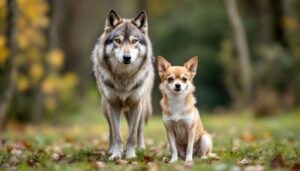


Choosing a canine companion involves many considerations, but one factor increasingly weighs on prospective owners’ minds: how long will their faithful friend remain by their side ? Certain breeds demonstrate remarkable longevity, consistently outliving their counterparts through a combination of genetic advantages and physical characteristics. Understanding which breeds typically enjoy extended lifespans helps inform decisions for those seeking long-term companionship with their four-legged family members.
Dog breeds and their longevity: a general overview
The correlation between size and lifespan
Research consistently demonstrates that smaller dog breeds generally outlive their larger counterparts by several years. This phenomenon relates to metabolic rates and cellular ageing processes that differ significantly between size categories. Whilst a Great Dane might reach only seven to ten years, a Chihuahua can easily surpass fifteen years with proper care.
The biological mechanisms behind this disparity remain subjects of ongoing study, but scientists observe that larger dogs age more rapidly at the cellular level. Their accelerated growth during puppyhood appears to contribute to earlier onset of age-related conditions, including joint problems and certain cancers.
Genetic factors in breed longevity
Selective breeding practices have profoundly influenced lifespan potential across different breeds. Some breeds benefit from diverse genetic pools that minimise inherited health conditions, whilst others suffer from genetic bottlenecks that predispose them to specific ailments. Responsible breeders prioritise health testing and genetic screening to enhance longevity prospects for future generations.
| Size category | Average lifespan range | Common characteristics |
|---|---|---|
| Toy breeds | 12-16 years | Slow metabolism, fewer joint issues |
| Small breeds | 12-15 years | Moderate energy, manageable health concerns |
| Medium breeds | 10-13 years | Balanced physiology, varied health profiles |
| Large breeds | 8-12 years | Rapid growth, increased health risks |
These general patterns provide a framework for understanding breed longevity, though individual dogs may vary considerably based on care quality and environmental factors.
Small dogs with exceptional lifespans
The Chihuahua: tiny package, lengthy life
The Chihuahua consistently ranks amongst the longest-living dog breeds, with many individuals reaching 14 to 16 years or beyond. These diminutive dogs, weighing typically between one and three kilograms, possess remarkable vitality despite their fragile appearance. Their compact size places minimal stress on joints and organs, contributing significantly to their impressive longevity.
Chihuahuas require attentive dental care, as their small mouths predispose them to dental disease. Regular veterinary check-ups and proper nutrition support their natural longevity advantages.
Toy Poodle: intelligence meets endurance
The Toy Poodle combines exceptional intelligence with a lifespan ranging from 12 to 15 years. These elegant dogs benefit from careful breeding practices that have minimised genetic health complications. Their hypoallergenic coats and adaptable temperaments make them popular companions for those seeking long-term relationships with their pets.
Other small breeds with remarkable longevity
Several additional small breeds demonstrate exceptional lifespans:
- Maltese: these charming dogs typically live 12 to 15 years, with their ancient lineage contributing to robust health
- Yorkshire Terrier: despite weighing under three kilograms, Yorkies frequently reach 12 to 15 years through proper care
- Pomeranian: these fluffy companions often enjoy 12 to 16 years, bringing joy throughout their extended lives
- Papillon: named for their butterfly-like ears, these dogs thrive for 12 to 15 years with appropriate attention
- Shih Tzu: originally bred as palace companions, these dogs frequently live 10 to 16 years
Each of these breeds shares common characteristics that promote longevity, including manageable size, relatively few breed-specific health concerns, and adaptability to various living situations. Their extended lifespans make them particularly appealing for families seeking enduring companionship.
Medium breeds with impressive longevity
Jack Russell Terrier: energy and endurance
The Jack Russell Terrier defies expectations for medium-sized breeds, regularly achieving 13 to 16 years of life. These energetic dogs possess remarkable stamina and require substantial physical and mental stimulation. Their robust constitution and lack of exaggerated physical features contribute to fewer health complications compared to breeds with more extreme conformations.
Jack Russells maintain youthful vigour well into their senior years, often remaining active and playful beyond a decade of age. Their strong prey drive and independent nature require consistent training but reward owners with unwavering loyalty.
Dachshund: longevity in an elongated package
The Dachshund, affectionately known as the sausage dog, typically lives 12 to 16 years despite its unusual body structure. Available in standard and miniature sizes, these dogs demonstrate surprising resilience. However, their elongated spines require careful management to prevent intervertebral disc disease, a condition to which the breed is predisposed.
Maintaining appropriate weight proves crucial for Dachshunds, as excess pounds place additional strain on their backs. With proper care and attention to their unique physical needs, these charismatic dogs provide many years of companionship.
Lhasa Apso: ancient breed, enduring life
The Lhasa Apso originates from Tibetan monasteries, where these dogs served as sentinels for centuries. This ancient heritage has produced a breed with remarkable longevity, typically reaching 12 to 15 years. Their dense coats protected them from harsh Himalayan climates, and their sturdy build contributes to overall health resilience.
These dogs require regular grooming to maintain their luxurious coats, but their generally robust health makes them relatively low-maintenance in terms of veterinary care compared to many other breeds.
Factors influencing canine longevity
Nutrition and weight management
Proper nutrition forms the foundation of canine longevity. Dogs maintained at optimal body condition throughout their lives consistently outlive those who experience obesity or malnutrition. High-quality foods appropriate to a dog’s life stage, size, and activity level provide essential nutrients without excessive calories.
Research indicates that dogs maintained at slightly below ideal weight may experience extended lifespans compared to those at standard weight recommendations. This finding suggests that mild caloric restriction, similar to observations in other species, may promote longevity through reduced metabolic stress.
Preventive veterinary care
Regular veterinary examinations enable early detection of health issues before they become serious problems. Essential preventive measures include:
- Annual or biannual health screenings: comprehensive examinations identify emerging concerns
- Vaccination protocols: protection against infectious diseases prevents life-threatening illnesses
- Parasite prevention: regular treatments for fleas, ticks, and internal parasites maintain overall health
- Dental care: professional cleanings and home dental hygiene prevent periodontal disease, which affects systemic health
- Early intervention: prompt treatment of minor ailments prevents progression to serious conditions
Exercise and mental stimulation
Physical activity appropriate to a dog’s age, breed, and health status promotes cardiovascular health, maintains muscle tone, and prevents obesity. Equally important, mental stimulation through training, puzzle toys, and varied experiences keeps dogs cognitively sharp throughout their lives.
Studies suggest that dogs receiving regular mental challenges maintain better cognitive function in their senior years, potentially extending both lifespan and quality of life. The combination of physical and mental exercise creates a comprehensive approach to promoting longevity.
Environmental and lifestyle factors
The living environment significantly impacts canine lifespan. Dogs residing in safe, stress-free homes with attentive owners typically outlive those experiencing chronic stress, neglect, or hazardous conditions. Factors contributing to longevity include:
| Factor | Impact on longevity |
|---|---|
| Secure fencing | Prevents accidents and injuries |
| Climate control | Protects from temperature extremes |
| Social interaction | Reduces stress and promotes mental health |
| Toxin avoidance | Prevents poisoning and chronic exposure |
| Consistent routine | Reduces anxiety and promotes wellbeing |
Understanding these interconnected factors helps owners create optimal conditions for their companions to thrive throughout extended lifespans.
Lesser-known but durable dog breeds
Australian Cattle Dog: working longevity
The Australian Cattle Dog represents a lesser-known breed with exceptional lifespan potential, often reaching 12 to 15 years. These intelligent working dogs possess remarkable stamina and robust health, traits developed through their heritage as livestock herders in challenging Australian conditions. Their active nature requires substantial exercise, but this physical demand contributes to their overall vitality and longevity.
Miniature Schnauzer: compact and enduring
The Miniature Schnauzer typically lives 12 to 15 years, benefiting from a sturdy constitution and relatively few breed-specific health concerns. These alert, spirited dogs maintain their vigour well into their senior years, making them excellent companions for active households seeking long-term relationships with their pets.
Border Collie: intelligence and longevity combined
Renowned for their exceptional intelligence, Border Collies also demonstrate impressive longevity, frequently reaching 12 to 15 years. Their working heritage has produced dogs with sound physical structure and mental acuity that persists throughout their lives. These dogs require substantial mental and physical stimulation but reward dedicated owners with years of loyal companionship.
Conclusion on breeds with the longest lifespan
The breeds discussed share common characteristics that promote extended lifespans: appropriate size, sound genetic backgrounds, and physical structures that minimise health complications. Whilst breed selection provides a foundation for longevity, owner commitment to proper nutrition, preventive healthcare, and enriching environments ultimately determines whether individual dogs achieve their full lifespan potential. Small breeds consistently demonstrate the greatest longevity, but several medium-sized breeds also offer impressive lifespans for those preferring slightly larger companions. Prospective owners should consider not only breed longevity statistics but also their ability to meet specific breed requirements throughout a dog’s potentially lengthy life. The investment in a long-lived breed brings extended companionship but also requires sustained commitment to care, making informed selection crucial for both dog and owner satisfaction.