
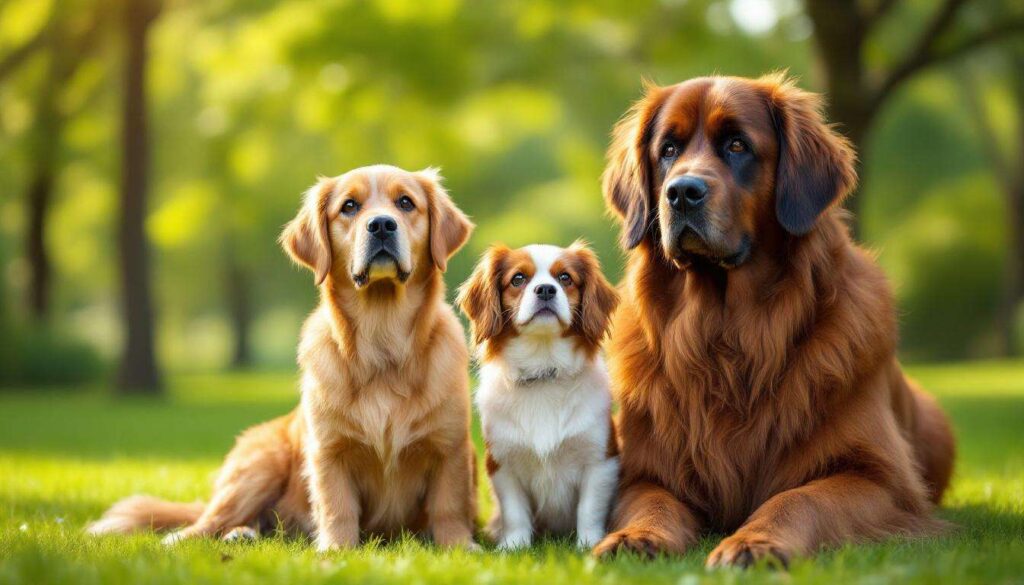
When selecting a family pet, temperament plays a crucial role in ensuring harmonious coexistence. Whilst many potential dog owners gravitate towards well-known breeds such as Labrador Retrievers and Golden Retrievers, professional trainers often highlight lesser-known breeds that possess exceptional gentleness. These canine companions combine impressive physical presence with remarkably calm dispositions, making them ideal for families seeking a patient and affectionate four-legged friend. Understanding what makes certain breeds naturally gentle can help prospective owners make informed decisions when welcoming a new member into their household.
The expertise of a dog trainer: why are some dogs more gentle ?
Genetic predisposition and breeding history
Professional trainers recognise that gentleness in dogs stems largely from centuries of selective breeding. Breeds developed for specific purposes often exhibit temperamental traits that align with their historical roles. Dogs bred to work closely with humans, particularly in caregiving or rescue capacities, typically demonstrate innate patience and tolerance. These characteristics have been reinforced through generations, creating bloodlines where calm behaviour is the norm rather than the exception.
The role of early socialisation
Beyond genetics, trainers emphasise that proper socialisation during puppyhood significantly influences a dog’s temperament. Gentle breeds typically respond exceptionally well to early exposure to various environments, people, and situations. This adaptability allows them to develop confidence without aggression, resulting in dogs that remain composed in diverse circumstances. The combination of genetic predisposition and appropriate early experiences creates the foundation for lifelong gentle behaviour.
Understanding these fundamental aspects of canine temperament provides context for evaluating specific breeds and their suitability for different households.
The criteria for selecting dog breeds by a trainer
Assessing temperament stability
Professional trainers employ specific criteria when identifying exceptionally gentle breeds. Temperament stability ranks as the primary consideration, referring to a dog’s predictable and even-keeled responses to various stimuli. Gentle breeds demonstrate consistent behaviour across different situations, showing neither excessive nervousness nor unprovoked aggression. This reliability makes them particularly suitable for families with children or elderly members.
Key characteristics of gentle breeds
Trainers evaluate breeds based on several observable traits:
- Patience threshold: the ability to tolerate unexpected movements or noises without reactive behaviour
- Sociability: natural inclination towards friendly interaction with humans and other animals
- Trainability: willingness to learn and respond positively to guidance
- Protective instinct balance: awareness of surroundings without excessive guarding behaviour
- Energy management: capacity to remain calm indoors whilst enjoying outdoor activities
Physical considerations
Interestingly, many exceptionally gentle breeds are large or giant-sized dogs. This correlation exists because larger breeds were often developed for tasks requiring measured responses rather than quick reactivity. Their size necessitated breeding for controllability and calm demeanour, resulting in dogs that possess both physical strength and emotional gentleness. These characteristics make them particularly appealing to families seeking a substantial yet safe companion.
With these selection criteria established, examining specific breeds reveals how these principles manifest in real-world canine companions.
The Mastiff: the gentle giant par excellence
Historical background and temperament
The Mastiff stands as one of the most ancient and gentle large breeds, with roots tracing back thousands of years. Originally employed as guard dogs and companions to nobility, Mastiffs developed a unique combination of protective awareness and remarkable patience. Despite their imposing stature, these dogs are renowned for their docile nature and affectionate disposition towards family members, particularly children.
Characteristics that define gentleness
| Attribute | Description |
|---|---|
| Size | Males typically weigh 73-100 kg, females 54-77 kg |
| Temperament | Calm, dignified, good-natured |
| Energy level | Moderate; content with moderate exercise |
| Child compatibility | Excellent; naturally protective yet gentle |
Living with a Mastiff
Mastiffs exhibit extraordinary tolerance in household environments, often displaying a calm presence that brings tranquillity to their surroundings. They form deep bonds with family members and demonstrate particular gentleness with vulnerable individuals. Their low energy requirements indoors make them surprisingly suitable for various living situations, provided they receive adequate space to accommodate their size. Regular but moderate exercise satisfies their physical needs whilst their emotional requirements centre on companionship and inclusion in family activities.
This breed’s combination of size and gentleness finds parallels in another exceptional water-loving companion.
The Newfoundland: a patient and loving companion
Origins as a working breed
The Newfoundland’s history as a water rescue dog shaped its exceptionally gentle character. Bred to assist fishermen and perform life-saving rescues, these dogs developed an innate understanding of human needs and vulnerabilities. This heritage created a breed with remarkable patience and an instinctive desire to protect without aggression. Their working background required dogs that could think independently whilst remaining responsive to human direction, fostering intelligence paired with tractability.
Temperamental excellence
Newfoundlands are often described as “nanny dogs” due to their natural affinity for children. They demonstrate exceptional tolerance for the unpredictable behaviour typical of young family members, remaining calm during boisterous play whilst maintaining gentle supervision. Their sweet disposition extends beyond the family unit, as Newfoundlands typically greet strangers with friendly curiosity rather than suspicion or aggression.
Care considerations
Prospective owners should understand specific requirements:
- Grooming needs: thick double coat requires regular brushing to prevent matting
- Exercise requirements: moderate daily activity, with swimming being particularly beneficial
- Space considerations: adequate room for a large dog, though they adapt well to indoor living
- Health monitoring: attention to joint health and cardiac screening
Their drooling tendency and substantial size represent practical considerations, yet these minor inconveniences pale beside the profound companionship and gentle nature Newfoundlands offer. Their calm presence and unwavering devotion make them exceptional family members for those prepared to accommodate their needs.
Another large breed shares similar gentle qualities whilst bringing distinctive characteristics to the family dynamic.
The Irish Wolfhound: a big dog with a tender heart
Ancient heritage meets modern companionship
The Irish Wolfhound holds the distinction of being one of the tallest dog breeds, yet possesses a temperament that contradicts its imposing appearance. Originally bred to hunt wolves and protect estates, these dogs developed courage and strength alongside remarkable gentleness with their human families. This duality creates a companion that appears formidable whilst behaving with extraordinary tenderness and sensitivity.
Distinctive personality traits
Irish Wolfhounds exhibit a calm, dignified demeanour that trainers particularly value. They demonstrate exceptional patience and rarely display aggressive tendencies, even when provoked. Their gentle nature extends to interactions with other pets, as they typically coexist peacefully with cats and smaller dogs despite their hunting heritage. This breed forms profound attachments to family members and thrives on companionship, often following their preferred humans from room to room.
Practical aspects of ownership
| Consideration | Details |
|---|---|
| Height | Minimum 79 cm for males, 71 cm for females |
| Lifespan | 6-8 years typically |
| Exercise needs | Moderate; daily walks and occasional opportunities to run |
| Training response | Sensitive; responds best to gentle, positive methods |
Their relatively short lifespan represents an emotional consideration for potential owners, yet those who share their lives with Irish Wolfhounds often describe the experience as profoundly rewarding. These dogs bring quiet dignity and unwavering gentleness to households willing to accommodate their substantial size and provide the companionship they crave.
Understanding these breeds’ characteristics provides foundation, yet professional insights into training approaches enhance their natural gentle qualities.
A professional’s view on training and behaviour of gentle dogs
Optimising natural gentleness through training
Professional trainers emphasise that gentle breeds require training approaches that respect their sensitive natures. Harsh corrections or aggressive training methods prove counterproductive with these dogs, potentially damaging their confidence and trust. Instead, positive reinforcement techniques yield exceptional results, building upon their natural desire to please and cooperate with human companions.
Common misconceptions about gentle breeds
Trainers frequently encounter misunderstandings regarding gentle dogs:
- Size equals difficulty: large gentle breeds often train more easily than smaller, more energetic dogs
- Gentleness means weakness: these dogs possess strength but choose restraint through temperament
- Minimal training needed: all dogs benefit from structured training regardless of natural gentleness
- Child-safe automatically: supervision and teaching children appropriate interaction remain essential
Long-term behavioural maintenance
Maintaining gentle behaviour throughout a dog’s life requires consistent positive interaction and mental stimulation. These breeds thrive when given purpose, whether through simple tasks, gentle play, or inclusion in family activities. Regular socialisation opportunities help preserve their friendly dispositions, whilst routine veterinary care ensures physical comfort that supports emotional wellbeing. Trainers note that gentle breeds often become more affectionate and reliable with age, their calm natures deepening as they mature.
The combination of selective breeding, appropriate training, and attentive care creates canine companions whose gentleness enriches family life immeasurably.
These three exceptional breeds demonstrate that gentleness and substantial size can coexist harmoniously in canine companions. The Mastiff, Newfoundland, and Irish Wolfhound each bring distinctive qualities whilst sharing fundamental traits of patience, affection, and reliability. Their historical roles shaped temperaments ideally suited to modern family life, creating dogs that protect through presence rather than aggression. Prospective owners seeking gentle companions should consider these breeds alongside more common choices, recognising that exceptional temperament transcends popularity. With proper care, training, and commitment to meeting their specific needs, these gentle giants offer profound companionship and unwavering devotion that transforms houses into homes.