

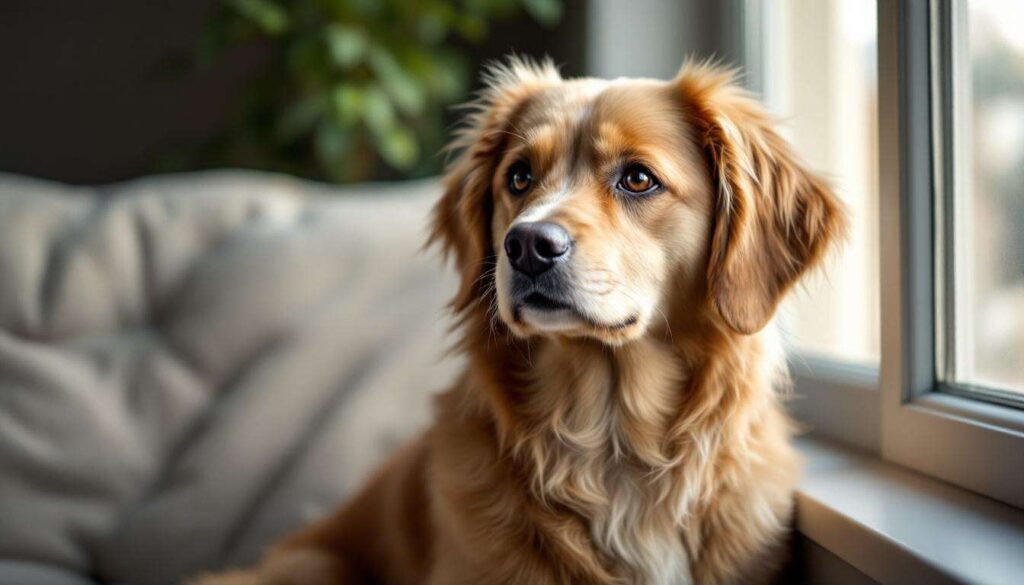
Dogs are social creatures that thrive on companionship and interaction with their human families. However, certain breeds possess temperaments and characteristics that make them particularly vulnerable to distress when separated from their owners. Understanding which breeds are most susceptible to separation anxiety can help prospective and current dog owners make informed decisions about care, training and daily routines. The emotional wellbeing of our canine companions depends significantly on how we address their need for company and mental stimulation, particularly during the hours we must leave them alone.
Breeds and separation anxiety: is there a link ?
The genetic and behavioural foundations
Research into canine behaviour has revealed that certain breeds are genetically predisposed to form exceptionally strong bonds with their human families. This attachment, while endearing, can become problematic when dogs are left alone for extended periods. Breeds originally developed as companion animals or working dogs that collaborated closely with humans tend to exhibit higher rates of separation-related distress.
The link between breed and separation anxiety is not merely anecdotal. Behavioural studies have identified specific traits that correlate with increased vulnerability:
- High sociability and dependence on human interaction
- Intelligence levels that require constant mental engagement
- Historical breeding purposes centred on close human partnership
- Sensitivity to environmental changes and routine disruptions
Recognising the symptoms
Separation anxiety manifests through various behaviours that signal genuine distress rather than simple misbehaviour. Destructive chewing, excessive vocalisation, house soiling despite being fully trained, and attempts to escape are common indicators. Some dogs may also exhibit physical symptoms such as excessive drooling, panting or pacing when they anticipate being left alone.
Understanding these breed-specific tendencies allows owners to implement preventative measures early, but first we must examine which breeds are most affected, starting with one of the most popular crossbreeds.
Cockerpoos: expectations and realities of solitude
The designer breed paradox
Cockerpoos, a cross between cocker spaniels and poodles, have surged in popularity due to their affectionate nature and hypoallergenic qualities. However, this crossbreed inherits strong attachment tendencies from both parent breeds, making them particularly susceptible to separation anxiety. Their innate desire for constant companionship means they struggle significantly when left alone.
The sociable temperament that makes cockerpoos such delightful family pets becomes a double-edged sword. These dogs form intense bonds with their owners and can experience genuine panic when separated. Reports from veterinary behaviourists indicate that cockerpoos frequently present with separation-related problems, including:
- Persistent barking or howling that begins immediately after the owner’s departure
- Destructive behaviour focused on doors, windows and owner’s belongings
- Refusal to eat when alone
- Self-harm through excessive licking or chewing
Managing cockerpoo anxiety
Owners of cockerpoos must commit to gradual desensitisation training from puppyhood. This involves creating positive associations with alone time through short absences that progressively lengthen. Providing puzzle toys and establishing calm departure routines can help reduce anxiety triggers.
Whilst cockerpoos represent a modern breeding trend, some traditional breeds have long-established reputations for struggling with solitude, particularly those bred for high-energy work.
Jack Russell and solitude: a bad mix
Energy and attachment combined
Jack Russell terriers epitomise the energetic companion that requires constant mental and physical stimulation. Originally bred for fox hunting, these small but mighty dogs possess boundless energy and an intense work drive. When this energy cannot be channelled appropriately, particularly during extended periods alone, it often manifests as destructive anxiety.
The Jack Russell’s intelligent and independent nature might suggest they would cope well with solitude, but the opposite proves true. Their intelligence means they quickly become bored, and their strong attachment to their owners creates a perfect storm for separation anxiety. These terriers often:
- Engage in excessive digging, both indoors and outdoors
- Bark persistently, often triggering neighbour complaints
- Destroy furniture, particularly items carrying the owner’s scent
- Attempt escape through windows or under fences
The exercise imperative
For Jack Russells, pre-departure exercise is not optional but essential. A tired Jack Russell is significantly less likely to experience severe anxiety. Owners should plan vigorous morning walks or play sessions before leaving their dogs alone. Mental stimulation through training exercises can be equally exhausting and beneficial.
Where Jack Russells channel anxiety through hyperactivity, other breeds express their distress through withdrawal and depression, particularly those known for their gentle, people-oriented temperaments.
Golden retrievers: the downside of their sociability
The companion breed dilemma
Golden retrievers rank among the most beloved family dogs worldwide, celebrated for their gentle disposition, patience with children and eagerness to please. However, these same qualities that make them exceptional companions create vulnerability to separation anxiety. Bred specifically to work alongside humans during hunting expeditions, golden retrievers possess an innate need for human partnership.
The breed’s emotional intelligence allows them to read human moods and respond with empathy, but this sensitivity becomes problematic when they sense their owner’s departure. Golden retrievers often begin showing signs of distress during pre-departure routines, such as when owners collect keys or put on coats.
| Behaviour | Frequency in Golden Retrievers | Severity Level |
|---|---|---|
| Following owner room to room | Very High | Moderate |
| Destructive chewing | High | High |
| Excessive drooling when alone | Moderate | Moderate |
| Depression and lethargy | High | High |
Prevention through routine
Golden retriever owners can mitigate separation anxiety by establishing consistent daily routines that provide structure and predictability. Creating a designated safe space with comfortable bedding and familiar toys helps these dogs feel secure. Unlike some breeds that benefit from stimulating toys, golden retrievers often respond better to comfort items that smell like their owners.
Whilst golden retrievers express anxiety through sadness and withdrawal, some breeds demonstrate their distress through more dramatic and visible behaviours, particularly those with high-strung temperaments.
Dalmatians and separation anxiety
The active breed challenge
Dalmatians possess a unique combination of high energy levels, intelligence and strong bonding instincts that make them prone to separation anxiety. Originally bred as carriage dogs that ran alongside horses for miles, dalmatians require substantial daily exercise and mental engagement. Without adequate outlets for their energy, they quickly develop anxiety-related behaviours.
The breed’s protective nature intensifies their attachment to family members. Dalmatians often assume a guardian role within the household, and being separated from those they protect can trigger significant stress. This manifests through:
- Aggressive chewing of household items, particularly near exits
- Repetitive behaviours such as spinning or tail chasing
- Excessive vocalisation that can last for hours
- House soiling in specific locations, often near doors
Structured independence training
Dalmatians benefit from early socialisation that includes exposure to brief periods of solitude from puppyhood. Crate training, when done positively, can provide a secure den-like environment that reduces anxiety. However, dalmatians should never be crated for extended periods, as this can exacerbate their distress.
Understanding the breeds most affected by separation anxiety provides the foundation for implementing effective management strategies that can significantly improve quality of life for both dogs and their owners.
How to help your dog when you are absent
Environmental modifications
Creating a calm and secure environment forms the cornerstone of managing separation anxiety across all breeds. Consider leaving a radio or television on at low volume to provide ambient noise that masks external sounds. Some dogs respond well to specially designed music for canine relaxation, which features slower tempos and simplified arrangements.
The physical environment should include:
- A comfortable resting area away from windows to reduce external stimulation
- Interactive puzzle toys filled with treats to provide mental engagement
- Items of clothing with the owner’s scent for comfort
- Access to fresh water and, for longer absences, automatic feeders
Gradual desensitisation protocols
Systematic desensitisation training represents the most effective long-term solution for separation anxiety. This involves exposing dogs to increasingly longer periods of solitude whilst ensuring they remain below their anxiety threshold. Begin with absences of just a few minutes, gradually extending the duration over weeks or months.
Key elements of successful desensitisation include:
- Avoiding dramatic departures or arrivals that heighten emotional responses
- Practising departure cues without actually leaving
- Rewarding calm behaviour during alone time
- Maintaining consistency in training approaches
Professional intervention
For severe cases of separation anxiety, professional help from veterinary behaviourists may be necessary. In some instances, anti-anxiety medication prescribed by a veterinarian can support behavioural modification programmes. However, medication should never replace training but rather facilitate the learning process by reducing anxiety to manageable levels.
Alternative therapies such as dog-appeasing pheromone diffusers, calming supplements containing ingredients like L-theanine, and even acupuncture have shown promise in reducing anxiety symptoms in some dogs. The effectiveness varies between individuals, requiring patient experimentation to identify the most beneficial combination of interventions.
Separation anxiety represents a significant challenge for many dog owners, particularly those with breeds genetically predisposed to strong human attachment. The breeds discussed demonstrate varying manifestations of distress when left alone, from the cockerpoo’s persistent vocalisation to the golden retriever’s withdrawn depression. Recognising breed-specific vulnerabilities allows owners to implement preventative measures early, potentially avoiding the development of severe anxiety. Successful management requires a multifaceted approach combining environmental modifications, gradual desensitisation training, adequate physical exercise and mental stimulation. For dogs already experiencing significant distress, professional guidance can provide tailored solutions that address individual needs. Ultimately, understanding and addressing separation anxiety enhances the wellbeing of our canine companions and strengthens the bond between dogs and their human families.