


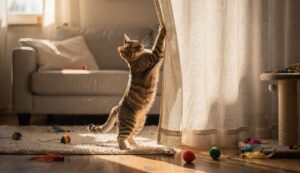
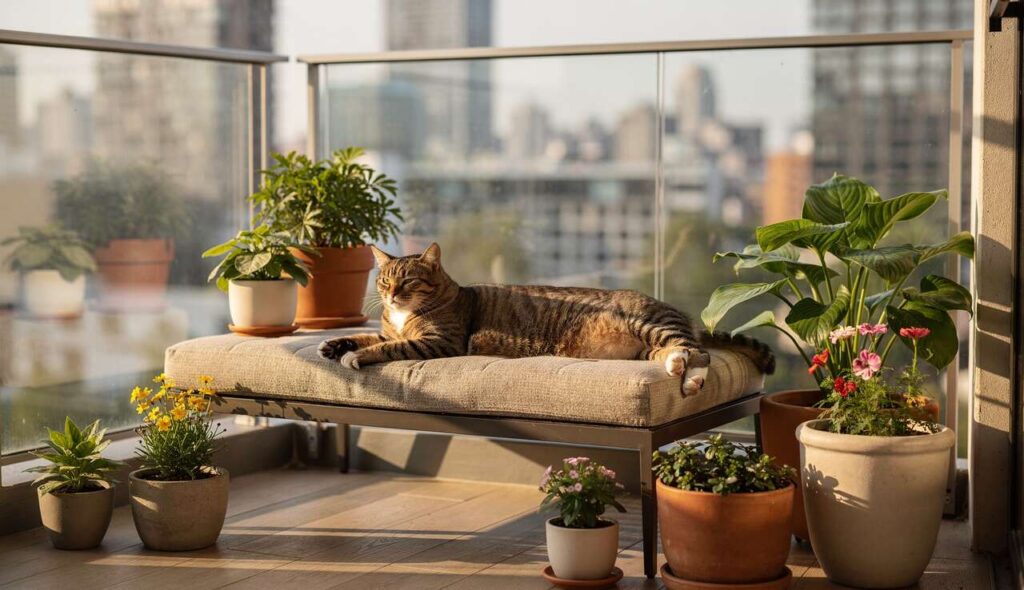
Many cat owners face the challenge of keeping their feline companions content within the confines of an apartment. Without access to a garden or outdoor space, cats must rely entirely on their indoor environment for stimulation, exercise and wellbeing. Creating a fulfilling life for an apartment cat requires understanding their natural instincts and providing alternatives that satisfy their physical and psychological needs. With thoughtful planning and the right resources, indoor cats can lead happy, healthy lives that rival their outdoor counterparts.
Understanding the specific needs of an apartment cat
Natural instincts in a confined space
Cats possess innate hunting behaviours that drive much of their daily activity. Even domesticated apartment cats retain the instinctual need to stalk, pounce and capture prey. Without opportunities to express these behaviours, indoor cats may develop behavioural problems or become lethargic. Understanding that your cat’s desire to climb, scratch and explore stems from evolutionary programming helps owners create appropriate outlets for these drives.
Territory and vertical space requirements
Unlike dogs, cats perceive their environment in three dimensions. Vertical territory matters as much as horizontal space, meaning even small apartments can accommodate a cat’s territorial needs when properly utilised. Apartment cats benefit from:
- Multiple elevated perches at varying heights
- Window access for observing outdoor activity
- Designated quiet zones for rest and retreat
- Clear pathways between different areas
Research indicates that cats with access to vertical spaces exhibit lower stress levels and fewer behavioural issues than those confined to ground-level living.
Exercise and activity level considerations
Indoor cats typically require 20 to 30 minutes of active play daily to maintain optimal health. Without this stimulation, apartment cats face increased risks of obesity, diabetes and joint problems. The sedentary lifestyle common among indoor cats can be counteracted through structured play sessions and environmental enrichment that encourages natural movement patterns.
Recognising these fundamental requirements forms the foundation for creating an environment where your apartment cat can flourish physically and mentally.
Creating a stimulating indoor environment
Maximising vertical space utilisation
Transforming your apartment into a three-dimensional playground dramatically increases the usable territory for your cat. Wall-mounted shelves, cat trees and climbing structures allow cats to survey their domain from elevated positions, satisfying their natural desire for height advantage. Strategic placement near windows provides entertainment through outdoor observation, often referred to as “cat television” amongst feline behaviourists.
Window access and visual stimulation
Windows serve as crucial connection points to the outside world for apartment cats. Installing secure window perches or hammocks gives cats safe vantage points to watch birds, pedestrians and weather changes. Consider these enhancements:
- Bird feeders positioned within viewing distance
- Transparent window-mounted beds for sunbathing
- Screened windows for safe fresh air access
- Rotating views by moving perches seasonally
Environmental complexity and hiding spots
Cats require both stimulation and sanctuary within their living space. Cardboard boxes, fabric tunnels and covered beds provide essential hiding spots where cats can retreat when overwhelmed. Environmental complexity prevents boredom and encourages exploration, with studies showing that cats in enriched environments display more natural behaviours and reduced stress markers.
| Environmental Feature | Benefit | Implementation Cost |
|---|---|---|
| Cat tree (120-180cm) | Vertical territory, scratching, perching | £50-150 |
| Wall-mounted shelves | Space efficiency, climbing routes | £30-80 |
| Window perch | Visual stimulation, sunbathing | £15-40 |
| Hiding boxes/tunnels | Security, stress reduction | £10-35 |
With the physical environment properly structured, attention must turn to the nutritional foundation that supports your cat’s indoor lifestyle.
Ensuring a suitable and balanced diet
Caloric requirements for indoor cats
Apartment cats typically require 20 to 30 per cent fewer calories than outdoor cats due to reduced activity levels. Overfeeding remains one of the most common mistakes among indoor cat owners, leading to obesity and associated health complications. A typical indoor adult cat weighing 4kg requires approximately 200-250 calories daily, though individual needs vary based on age, metabolism and activity level.
Choosing appropriate food formulations
Many manufacturers produce indoor-specific cat food formulations designed to address the unique needs of apartment cats. These typically feature:
- Reduced calorie density to prevent weight gain
- Increased fibre content for hairball management
- Controlled mineral levels for urinary health
- Omega fatty acids for skin and coat condition
High-quality protein sources remain essential regardless of lifestyle, as cats are obligate carnivores requiring meat-based nutrition. Consultation with a veterinarian ensures dietary choices match your individual cat’s requirements.
Feeding strategies and portion control
Interactive feeding methods transform mealtime into mental and physical enrichment. Puzzle feeders and food-dispensing toys encourage natural foraging behaviours whilst slowing consumption rates. Dividing daily portions into multiple small meals throughout the day maintains metabolic activity and prevents boredom-driven overeating. Regular weight monitoring allows early intervention if dietary adjustments become necessary.
Nutrition forms only one component of comprehensive care, with social bonds playing an equally vital role in apartment cat wellbeing.
The importance of socialisation and human interaction
Building strong human-feline bonds
Apartment cats depend heavily on human companionship to meet their social needs. Unlike outdoor cats with diverse social opportunities, indoor cats rely primarily on household members for interaction. Establishing consistent daily routines for play, grooming and quiet companionship strengthens the bond whilst providing predictability that reduces anxiety. Quality interaction matters more than quantity, with focused attention during play sessions proving more beneficial than passive coexistence.
Multi-cat households considerations
Introducing a second cat can provide companionship and enrichment, though success depends on careful planning and individual temperaments. Considerations include:
- Gradual introduction protocols over several weeks
- Sufficient resources (litter boxes, feeding stations, resting spots)
- Compatible energy levels and play styles
- Adequate space for territorial separation when needed
The general guideline suggests one litter box per cat plus one additional, along with multiple feeding and water stations to prevent resource guarding.
Recognising and respecting boundaries
Even social cats require personal space and autonomy. Understanding feline body language helps owners recognise when their cat seeks interaction versus solitude. Respecting these boundaries prevents stress and maintains trust within the relationship. Signs of overstimulation include tail twitching, ear flattening and dilated pupils, indicating the need to end interaction.
Beyond social needs, physical and mental stimulation through purposeful play proves essential for apartment cat contentment.
Enrichment through play and appropriate accessories
Interactive play sessions and techniques
Structured play serves as exercise, mental stimulation and bonding opportunity simultaneously. Wand toys that mimic prey movements engage cats’ hunting instincts most effectively, allowing them to stalk, chase and capture. Sessions should follow a natural hunting sequence: stalking, chasing, catching, and “killing”, followed by a small treat to simulate eating prey. Two to three daily play sessions of 10-15 minutes each maintain physical fitness and mental engagement.
Rotating toy selection for sustained interest
Cats quickly lose interest in constantly available toys. Toy rotation strategies maintain novelty and excitement:
- Divide toys into groups, offering only one group weekly
- Store interactive toys between supervised sessions
- Introduce new textures, sounds and movements regularly
- Observe which toy types generate strongest responses
Scratching posts and territorial marking needs
Scratching fulfils multiple functions: claw maintenance, territorial marking and physical stretching. Apartment cats require several scratching surfaces in different locations and orientations. Vertical posts should be tall enough for full-body stretching (minimum 75cm), whilst horizontal scratchers satisfy different preferences. Placement near sleeping areas and entry points addresses natural marking behaviours, potentially preventing furniture damage.
Even with optimal physical enrichment, apartment cats may experience psychological challenges requiring specific management strategies.
Managing stress and anxiety in your indoor cat
Identifying signs of feline stress
Apartment cats may develop stress-related behaviours that manifest subtly. Common indicators include:
- Changes in eating or elimination habits
- Excessive grooming leading to bald patches
- Increased vocalisation or withdrawn behaviour
- Aggression towards people or other pets
- Inappropriate elimination outside litter boxes
Early recognition allows prompt intervention before behaviours become entrenched patterns.
Creating safe spaces and predictable routines
Cats thrive on environmental predictability. Maintaining consistent feeding times, play schedules and household routines reduces anxiety. Designated safe spaces where cats can retreat undisturbed prove essential, particularly in busy households. These sanctuaries should include comfortable bedding, water access and ideally an elevated position offering visual security.
Environmental modifications for anxiety reduction
Several evidence-based strategies help minimise stress triggers. Synthetic feline facial pheromone diffusers create calming effects in anxious cats. Background noise from radio or television can mask startling sounds from neighbouring apartments. Providing multiple escape routes in each room prevents cats from feeling trapped. For severe anxiety, veterinary consultation may recommend behavioural therapy or medication.
| Stress Indicator | Potential Cause | Management Strategy |
|---|---|---|
| Hiding excessively | Insufficient safe spaces | Add covered beds, boxes in quiet areas |
| Overgrooming | Boredom, anxiety | Increase play, environmental enrichment |
| Litter box avoidance | Box location, cleanliness | Add boxes, clean daily, relocate |
| Aggression | Redirected frustration | Increase outlets for natural behaviours |
Apartment living need not compromise feline welfare when owners commit to meeting their cats’ multifaceted needs. Understanding natural behaviours, creating enriched environments, providing proper nutrition and fostering strong social bonds form the pillars of indoor cat contentment. Regular play sessions, vertical territory access and stress management strategies ensure apartment cats lead fulfilling, healthy lives. The absence of outdoor access becomes irrelevant when indoor environments offer sufficient physical challenge, mental stimulation and emotional security. With dedication and informed care, apartment cats can achieve wellbeing that matches or exceeds their outdoor counterparts, proving that happiness depends not on garden access but on thoughtful, comprehensive care tailored to feline nature.