



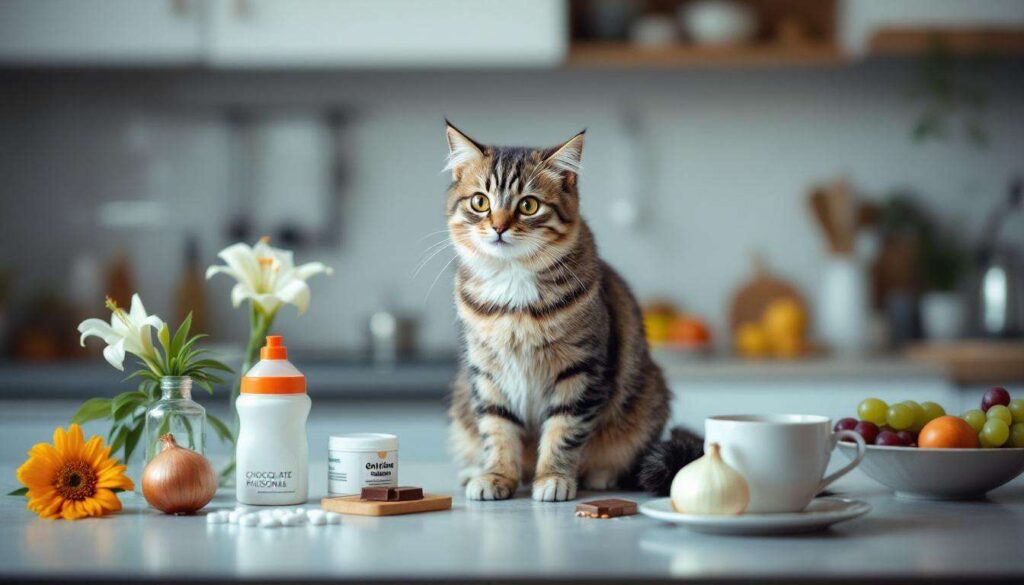
Cats are naturally curious creatures, and this inquisitive nature can sometimes lead them into dangerous situations. Every year, thousands of felines suffer from accidental poisoning within their own homes and gardens. Understanding the most common toxic substances that threaten our feline companions is crucial for preventing potentially fatal incidents. From everyday cleaning products to seemingly harmless houseplants, the risks are more numerous than many cat owners realise. Recognising these hazards and taking appropriate preventative measures can make the difference between a healthy pet and a veterinary emergency.
Toxic household products for cats
Cleaning agents and disinfectants
Many common cleaning products contain chemicals that are highly toxic to cats. Bleach, ammonia-based cleaners, and phenol-containing disinfectants pose significant risks. When cats walk across freshly cleaned surfaces, they inevitably ingest these substances whilst grooming their paws. Even small amounts can cause severe gastrointestinal distress, respiratory problems, or chemical burns.
The following household cleaners are particularly dangerous:
- Bleach and chlorine-based products
- Pine-scented cleaners containing phenols
- Toilet bowl cleaners
- Oven cleaners
- Drain unblockers
Essential oils and air fresheners
Essential oils have gained popularity in recent years, but many are extremely hazardous to cats. Felines lack specific liver enzymes needed to metabolise certain compounds found in these oils. Tea tree oil, eucalyptus, peppermint, and citrus oils can cause neurological symptoms, liver damage, and respiratory distress. Plug-in air fresheners and reed diffusers continuously release these toxic vapours into the environment.
| Product Type | Toxic Component | Primary Risk |
|---|---|---|
| Essential oil diffusers | Phenols, terpenes | Liver damage, respiratory issues |
| Scented candles | Various synthetic fragrances | Respiratory irritation |
| Spray air fresheners | Aerosol chemicals | Lung inflammation |
Understanding these domestic dangers naturally leads to considering the botanical threats that lurk within our homes.
Dangerous indoor plants
Lilies: the deadliest threat
Lilies represent the most dangerous plant family for cats. Even minimal exposure—a single pollen grain, a small piece of leaf, or water from the vase—can cause acute kidney failure. True lilies (Lilium species) and daylilies (Hemerocallis species) are particularly lethal. Symptoms typically appear within hours and include vomiting, lethargy, and loss of appetite. Without immediate veterinary intervention, kidney failure develops within 24 to 72 hours.
Other common toxic houseplants
Beyond lilies, numerous popular houseplants pose significant risks. Dieffenbachia, also known as dumb cane, contains calcium oxalate crystals that cause intense oral irritation and swelling. Philodendrons and pothos contain similar compounds. Sago palms are exceptionally toxic, with all parts of the plant containing cycasin, which causes liver failure.
- Dieffenbachia: oral burns, excessive drooling
- Philodendron: mouth irritation, difficulty swallowing
- Sago palm: liver failure, seizures
- Cyclamen: heart rhythm abnormalities
- Amaryllis: vomiting, abdominal pain
- Azalea: cardiovascular collapse
Just as plants can harbour hidden dangers, certain foods from our own plates present equally serious threats to feline health.
Harmful human foods
Onions, garlic, and related vegetables
The Allium family—including onions, garlic, leeks, chives, and shallots—contains compounds called thiosulphates that damage feline red blood cells, causing haemolytic anaemia. Even small amounts consumed regularly can accumulate and cause toxicity. Concentrated forms like garlic powder, onion soup mix, or baby food containing these ingredients are particularly dangerous. Symptoms may not appear for several days and include weakness, pale gums, orange-coloured urine, and collapse.
Chocolate and caffeine
Chocolate contains theobromine and caffeine, both methylxanthines that cats cannot efficiently metabolise. Dark chocolate and baking chocolate contain higher concentrations than milk chocolate, making them more dangerous. Coffee, tea, energy drinks, and caffeine tablets pose similar risks. Signs of toxicity include restlessness, rapid breathing, heart palpitations, muscle tremors, and seizures.
Additional dangerous foods
| Food Item | Toxic Component | Effects |
|---|---|---|
| Grapes and raisins | Unknown toxin | Kidney failure |
| Xylitol (artificial sweetener) | Sugar substitute | Hypoglycaemia, liver failure |
| Alcohol | Ethanol | Central nervous system depression |
| Raw dough | Yeast fermentation | Bloating, alcohol poisoning |
Whilst human foods present clear dietary dangers, even medications intended for animal use can become hazardous when improperly administered.
Misadministered veterinary medicines
Incorrect dosing of flea treatments
Flea and tick medications formulated for dogs often contain permethrin or pyrethrin, insecticides that are safe for canines but extremely toxic to cats. Even brief contact with a recently treated dog can cause severe poisoning in cats. Symptoms include excessive drooling, muscle tremors, seizures, and potentially death. Always verify that any parasite treatment is specifically labelled as safe for feline use.
Human medications given to cats
Well-meaning owners sometimes attempt to treat their cats with human medications, often with devastating consequences. Paracetamol is particularly lethal to cats, causing liver damage and destruction of red blood cells. Ibuprofen and aspirin cause gastrointestinal ulceration and kidney failure. Antidepressants, ADHD medications, and blood pressure tablets can all cause serious toxicity.
- Paracetamol: even one tablet can be fatal
- Ibuprofen: causes stomach ulcers and kidney damage
- Aspirin: gastrointestinal bleeding
- Antidepressants: neurological symptoms
- Pseudoephedrine: cardiovascular effects
The dangers extend beyond indoor environments, as outdoor spaces harbour their own collection of toxic substances.
Gardening chemicals
Pesticides and insecticides
Garden pesticides, including slug pellets containing metaldehyde, are highly attractive to cats due to their taste. Ingestion causes excessive salivation, muscle tremors, elevated body temperature, and seizures. Organophosphate and carbamate insecticides inhibit essential nervous system enzymes, leading to excessive drooling, pinpoint pupils, difficulty breathing, and muscle twitching.
Herbicides and fertilisers
Weed killers containing glyphosate or 2,4-D can cause gastrointestinal upset and more serious systemic effects. Fertilisers, particularly those containing iron, bone meal, or blood meal, attract cats with their scent but cause severe gastrointestinal problems. Bone and blood meal products can form solid masses in the stomach, whilst iron-containing fertilisers cause liver damage.
| Chemical Type | Common Products | Primary Symptoms |
|---|---|---|
| Slug pellets | Metaldehyde products | Seizures, hyperthermia |
| Organophosphates | Various insecticides | Neurological dysfunction |
| Herbicides | Glyphosate-based weed killers | Gastrointestinal distress |
| Fertilisers | Iron-enriched products | Vomiting, liver damage |
Recognising these various poisoning sources naturally emphasises the importance of implementing protective strategies.
Health and vigilance: essential tips
Creating a cat-safe environment
Prevention begins with thorough risk assessment of your home and garden. Store all cleaning products, medications, and chemicals in secure cabinets that cats cannot access. Choose cat-safe houseplants and remove any toxic species. When using cleaning products, ensure adequate ventilation and keep cats away from treated surfaces until completely dry.
Recognising poisoning symptoms
Early recognition of poisoning signs can save your cat’s life. Common symptoms include vomiting, diarrhoea, excessive drooling, lethargy, loss of appetite, difficulty breathing, seizures, and altered behaviour. If you suspect poisoning, contact your veterinarian immediately. Time is critical, and prompt treatment significantly improves outcomes.
Emergency response protocol
- Remove your cat from the source of exposure immediately
- Contact your veterinary surgery or emergency poison helpline
- Do not induce vomiting unless specifically instructed
- Bring the product packaging or plant sample to the veterinary surgery
- Note the time of exposure and quantity consumed if known
- Keep emergency contact numbers readily accessible
Protecting cats from poisoning requires constant awareness and proactive measures. By understanding the seven main causes of feline poisoning—household products, indoor plants, human foods, misadministered medicines, and gardening chemicals—owners can significantly reduce risks. Regular home safety audits, proper storage of dangerous substances, and immediate veterinary attention when poisoning is suspected form the foundation of effective prevention. Creating a safe environment allows cats to explore their natural curiosity without encountering life-threatening hazards.