



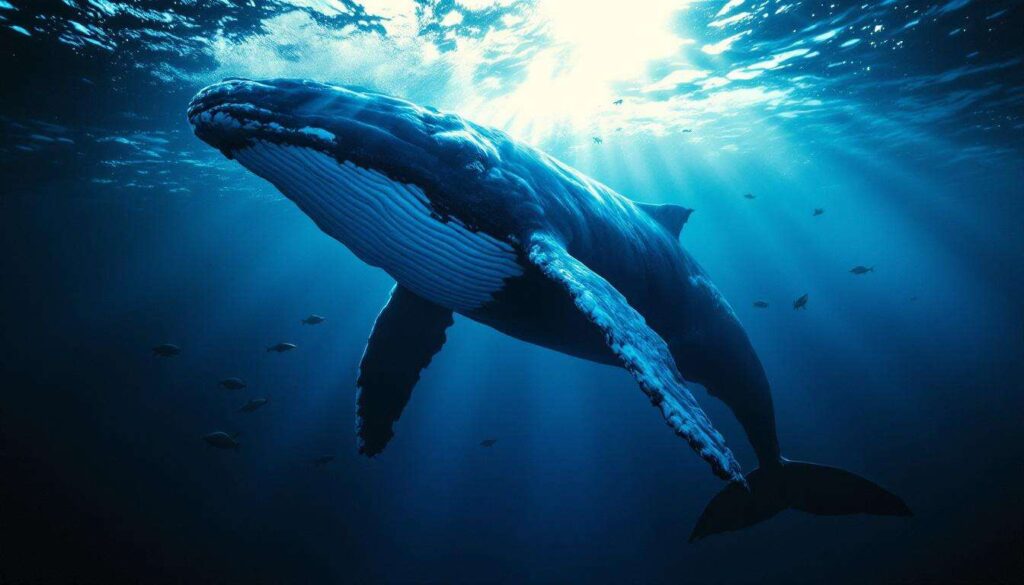
Marine biologists have long relied on established methods to determine the age of whales, but recent scientific breakthroughs suggest our understanding has been fundamentally flawed. For decades, researchers believed they had accurate measurements of cetacean lifespans, yet cutting-edge technologies are now revealing that these magnificent creatures live far longer than previously thought. This revelation carries profound implications for conservation efforts, population models, and our broader comprehension of marine ecosystems.
The surprising discovery: the error in our estimates of whales’ age
The magnitude of our miscalculation
Scientists have discovered that several whale species live significantly longer than conventional wisdom suggested. Bowhead whales, for instance, were initially thought to reach maximum ages of around 70 years, but evidence now indicates they can survive well beyond 200 years. This dramatic discrepancy has forced the scientific community to reconsider fundamental assumptions about cetacean biology and ecology.
How the error persisted for so long
The persistence of inaccurate age estimates stems from several factors:
- Limited observational data from wild populations
- Reliance on incomplete historical records
- Assumptions based on smaller cetacean species
- Technological limitations in early research methods
- Insufficient long-term monitoring programmes
These compounding factors created a systematic underestimation that shaped marine biology textbooks and conservation policies for generations. The realisation that we have been working with flawed data necessitates a comprehensive re-evaluation of existing research.
Understanding where our calculations went wrong requires examining the traditional techniques that shaped our initial conclusions.
Traditional methods: why they have skewed our calculations
Ear plug analysis and its limitations
For decades, scientists relied on examining ear plugs extracted from deceased whales. These waxy deposits accumulate in layers throughout a whale’s life, theoretically providing a biological record similar to tree rings. However, this method proved problematic because:
- Ear plugs can only be obtained from dead specimens
- Layer interpretation requires subjective judgement
- Degradation can obscure older layers
- The method assumes consistent annual deposition rates
Comparative anatomy and flawed assumptions
Researchers also attempted to estimate lifespans by comparing whales to other mammals. This approach assumed that body size and metabolic rates correlated predictably with longevity. The following table illustrates how these estimates compared to actual discoveries:
| Species | Traditional estimate | Current evidence | Percentage error |
|---|---|---|---|
| Bowhead whale | 70 years | 200+ years | 185% |
| Blue whale | 80 years | 110+ years | 37% |
| Fin whale | 90 years | 135+ years | 50% |
These substantial discrepancies demonstrate that extrapolation from other species provided unreliable data. The unique physiology and environmental adaptations of whales make them exceptional cases that defy standard mammalian ageing patterns.
Fortunately, technological advances have provided scientists with more sophisticated tools to uncover the truth about whale longevity.
New technologies serving science: a revolution for cetacean research
Radiocarbon dating and the bomb pulse
The most significant breakthrough came from radiocarbon dating techniques that exploit the “bomb pulse” phenomenon. Nuclear weapons testing in the mid-20th century released distinctive carbon-14 isotopes into the atmosphere, which were absorbed by marine organisms. By measuring these isotopes in whale eye lenses, scientists can determine birth years with remarkable precision.
Genetic markers and epigenetic clocks
Modern molecular biology has introduced epigenetic ageing markers that reveal biological age through DNA methylation patterns. These techniques offer non-lethal alternatives to traditional methods and provide insights into:
- Cellular ageing processes
- Stress-related longevity factors
- Population-specific variations
- Individual health status
Photographic identification and long-term monitoring
Systematic photo-identification programmes now track individual whales across decades, creating longitudinal datasets that document lifespans in real time. Combined with DNA sampling and satellite tracking, these initiatives provide unprecedented detail about whale life histories.
These technological innovations have already yielded remarkable findings in specific whale populations around the globe.
Case studies: recent examples of underestimated lifespans
The ancient bowhead whales of the Arctic
Researchers discovered stone harpoon points embedded in bowhead whale blubber, artefacts that had not been manufactured since the 19th century. This physical evidence confirmed that individual bowheads were surviving well beyond previous estimates, prompting further investigation that revealed their extraordinary longevity.
Blue whales in the Southern Ocean
Long-term monitoring of Antarctic blue whale populations has identified individuals first photographed in the 1970s still actively breeding. These observations suggest that blue whales remain reproductively viable far longer than models predicted, with implications for population recovery rates following historical whaling.
Fin whales in the North Atlantic
Genetic analysis of fin whale populations has revealed age structures inconsistent with previous demographic models. Some individuals show epigenetic markers indicating ages exceeding 130 years, forcing scientists to recalibrate their understanding of this species’ life history.
These discoveries extend far beyond academic curiosity, carrying substantial consequences for how we approach marine conservation.
Ecological implications: understanding whale longevity to better protect them
Population recovery timelines
Recognising that whales live longer fundamentally alters conservation strategies. Species with extended lifespans require different management approaches because:
- Recovery from population declines occurs more slowly
- Reproductive potential extends over longer periods
- Individual deaths have greater demographic impact
- Genetic diversity takes longer to rebuild
Ecosystem roles and carbon sequestration
Long-lived whales play crucial roles in marine ecosystems over extended timeframes. Their contribution to carbon sequestration becomes more significant when individuals accumulate and store carbon for centuries rather than decades. Each whale effectively functions as a long-term carbon sink, making their conservation critical for climate regulation.
Vulnerability to human impacts
Extended lifespans mean individual whales experience cumulative exposure to threats including ship strikes, entanglement, pollution, and noise disturbance. A whale living 200 years faces two centuries of anthropogenic pressures, increasing the likelihood of fatal encounters and chronic stress impacts.
This enhanced understanding of whale biology must now inform broader scientific and policy frameworks.
Towards a global reassessment: what this means for the future of marine studies
Revising population models
Marine biologists must now revisit decades of population dynamics research. Accurate lifespan data changes calculations regarding:
- Sustainable fishing quotas in mixed fisheries
- Expected recovery rates for depleted populations
- Minimum viable population sizes
- Genetic diversity requirements
International conservation frameworks
Global conservation agreements, including those administered by the International Whaling Commission, require updating to reflect accurate biological parameters. Protection measures designed for shorter-lived species may prove inadequate for cetaceans with multi-century lifespans.
Future research priorities
The revelation about whale longevity opens new research avenues exploring the mechanisms of exceptional ageing. Understanding how whales avoid age-related diseases like cancer despite their size and lifespan could yield insights applicable to human medicine and broader biological theory.
The fundamental reassessment of whale lifespans represents more than a correction of historical error. It exemplifies how technological advancement continually refines scientific understanding and demonstrates the importance of questioning established assumptions. As researchers apply sophisticated dating techniques and molecular tools, they uncover truths that reshape conservation priorities and ecological models. The recognition that whales live far longer than previously believed demands updated management strategies, revised population assessments, and enhanced protection measures. This discovery ultimately reinforces the need for humility in scientific inquiry and adaptive approaches to marine conservation that can accommodate evolving knowledge about these remarkable creatures.