


The relationship between humans and dogs represents one of the most enduring partnerships in history. Certain breeds possess innate characteristics that enable them to forge remarkably strong emotional connections with their owners, often within a surprisingly short timeframe. Understanding which breeds naturally excel at bonding can prove invaluable for prospective dog owners seeking a devoted companion. These breeds demonstrate exceptional loyalty, emotional intelligence, and an unwavering desire for human companionship that sets them apart from others.
Dogs that form deep bonds
The nature of canine attachment
Dogs that establish profound connections with their owners typically exhibit heightened emotional awareness and an intrinsic need for human interaction. These breeds often display what behavioural scientists term secure attachment, mirroring the bond between parent and child. Breeds such as the Labrador Retriever and Golden Retriever exemplify this phenomenon, having been selectively bred for centuries to work closely alongside humans. Their origins as working dogs created a genetic predisposition towards cooperation and emotional attunement.
The Vizsla takes this attachment to remarkable levels, earning the nickname “velcro dog” for its tendency to remain physically close to its owner at all times. This Hungarian breed was developed as a hunting companion for nobility, requiring constant communication with handlers. Similarly, the German Shepherd forms intensely loyal bonds through its protective instincts, remaining vigilant and devoted throughout its lifetime.
Breeds with exceptional bonding capacity
Several breeds demonstrate particularly rapid bonding abilities:
- Cavalier King Charles Spaniel: bred specifically as companion animals, these dogs thrive on affection and human presence
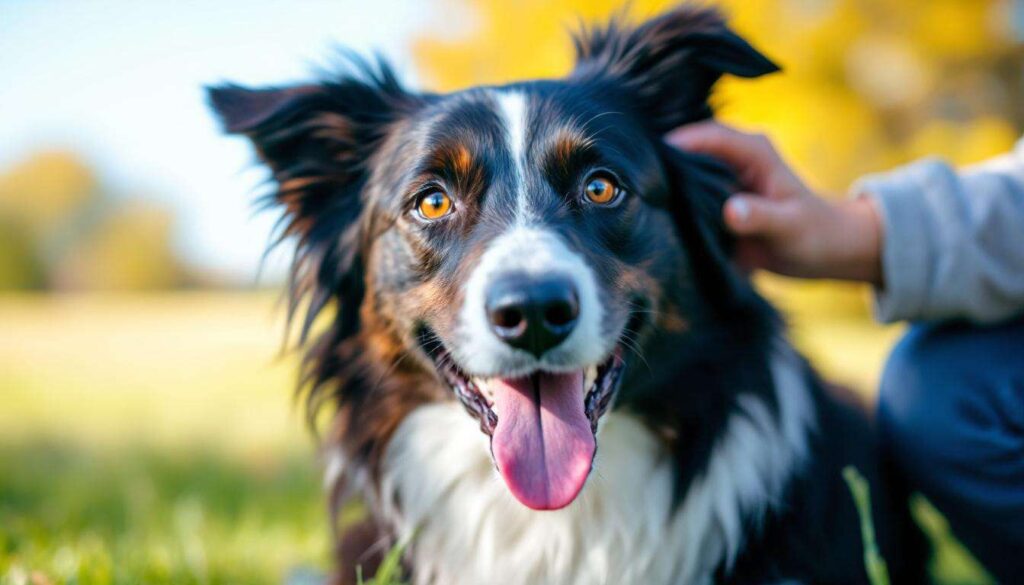
- Border Collie: their intense focus and intelligence create strong working partnerships with owners
- Australian Shepherd: energetic and owner-focused, these dogs form tight family connections
- Poodle: highly intelligent and adaptable, poodles bond through training and mental stimulation
- Samoyed: friendly and affectionate, these dogs seek constant companionship
- Bichon Frise: small but devoted, they develop strong attachments to their primary caregivers
These breeds share common traits that facilitate rapid bonding, including emotional sensitivity, trainability, and a genuine enjoyment of human company. Understanding these characteristics helps explain why certain dogs integrate seamlessly into family life whilst others maintain more independent dispositions.
Characteristics of a strong emotional bond
Recognising genuine attachment
A robust emotional bond between dog and owner manifests through observable behaviours and mutual understanding. Emotional intelligence stands as perhaps the most critical characteristic, with breeds like Labradors demonstrating an uncanny ability to detect and respond to human moods. This sensitivity allows them to provide comfort during stressful periods and share in moments of joy.
| Characteristic | Manifestation | Example Breeds |
|---|---|---|
| Emotional responsiveness | Reading owner’s mood and adjusting behaviour accordingly | Labrador Retriever, Golden Retriever |
| Physical proximity | Seeking constant closeness and contact | Vizsla, Cavalier King Charles Spaniel |
| Protective vigilance | Monitoring surroundings and alerting to threats | German Shepherd, Australian Shepherd |
| Cooperative engagement | Eagerness to participate in activities and training | Border Collie, Poodle |
The role of loyalty and devotion
Loyalty represents the cornerstone of strong canine bonds. The German Shepherd epitomises this quality through unwavering dedication to family protection and service. This breed’s historical role in police and military work stems from its natural inclination towards duty-bound attachment. Similarly, the Samoyed demonstrates loyalty through its friendly nature and desire to remain near family members, despite its independent working heritage.
These behavioural patterns emerge not merely from training but from fundamental breed characteristics that have been refined through generations. Recognising these traits helps owners appreciate the depth of their dog’s attachment and respond appropriately to their emotional needs, which naturally leads to exploring which specific breeds excel in affectionate behaviour.
The most affectionate dog breeds
Companion breeds built for affection
Certain breeds were developed exclusively for companionship, resulting in dogs that express affection as their primary function. The Cavalier King Charles Spaniel exemplifies this category, having been bred for centuries to provide comfort and companionship to royalty and nobility. These dogs require minimal encouragement to display affection, naturally seeking physical contact and emotional connection with their owners.
The Bichon Frise similarly thrives on being the centre of attention, developing strong bonds characterised by playfulness and devotion. However, this breed requires proper socialisation to prevent possessive behaviours that can emerge from their intense attachment. Their small size belies their enormous capacity for affection and their need for regular interaction with their primary caregivers.
Working breeds with affectionate natures
Surprisingly, many working breeds demonstrate exceptional affection alongside their practical abilities. The Golden Retriever balances a gentle, loving nature with intelligence and versatility, making it one of the most popular family dogs worldwide. Their affection manifests through:
- Constant desire for physical contact and proximity
- Enthusiastic greetings and expressions of joy
- Patience and gentleness with children and vulnerable family members
- Willingness to participate in all family activities
The Poodle, available in standard, miniature, and toy varieties, combines intelligence with friendliness, creating a highly trainable companion that bonds through mental engagement as well as physical affection. These breeds demonstrate that working ability and affectionate temperament need not be mutually exclusive qualities, setting the stage for understanding how daily life influences these important relationships.
The impact of lifestyle on the owner-dog bond
Activity levels and bonding opportunities
The strength of the human-canine bond depends significantly upon lifestyle compatibility between owner and dog. Highly energetic breeds such as the Border Collie and Australian Shepherd require substantial physical and mental stimulation to thrive. Owners who lead active lifestyles and can provide regular exercise, training sessions, and interactive play create optimal conditions for deep bonding with these intelligent breeds.
Conversely, less active individuals may find greater compatibility with breeds like the Cavalier King Charles Spaniel or Bichon Frise, which adapt well to quieter households whilst still forming strong attachments. The key lies in matching breed requirements with owner capacity, ensuring both parties can meet each other’s needs consistently.
Time investment and relationship quality
The quantity and quality of time spent together directly influences bond strength. Breeds such as the Vizsla demand near-constant companionship and may develop anxiety when left alone for extended periods. Owners with flexible schedules or work-from-home arrangements can accommodate these needs effectively, fostering exceptionally close relationships.
| Lifestyle Factor | Suitable Breeds | Bonding Impact |
|---|---|---|
| Active outdoor lifestyle | Labrador Retriever, German Shepherd, Australian Shepherd | Enhanced through shared activities and adventures |
| Home-based routine | Cavalier King Charles Spaniel, Bichon Frise, Poodle | Strengthened through constant presence and attention |
| Family environment | Golden Retriever, Samoyed, Labrador Retriever | Developed through multiple positive interactions |
Understanding these dynamics helps prospective owners make informed decisions whilst highlighting the importance of establishing routines that nurture the developing relationship.
Habits to quickly strengthen the connection
Consistent training and positive reinforcement
Establishing a strong bond rapidly requires consistent, positive interaction from the earliest days of ownership. Training sessions provide excellent bonding opportunities, particularly for intelligent breeds like the Border Collie and Poodle. These activities create mutual understanding and respect whilst allowing dogs to demonstrate their capabilities and receive praise.
Effective bonding habits include:
- Daily training sessions focusing on positive reinforcement techniques
- Regular grooming and physical care routines that build trust
- Consistent feeding schedules that establish reliability and security
- Dedicated playtime incorporating the dog’s natural instincts and preferences
- Calm, affectionate interactions during quiet moments
Communication and understanding
Developing effective communication accelerates bond formation significantly. Learning to read canine body language and responding appropriately demonstrates respect for the dog’s emotional state. The German Shepherd and Labrador Retriever, with their heightened emotional awareness, respond particularly well to owners who recognise and validate their feelings.
Creating routines around walks, mealtimes, and rest periods establishes predictability that dogs find reassuring. This consistency builds trust and security, fundamental components of any strong relationship. These practical approaches ultimately guide owners towards selecting the most compatible canine companion for their unique circumstances.
Choosing the right dog for a unique bond
Assessing personal circumstances
Selecting a breed capable of forming a deep bond begins with honest self-assessment regarding lifestyle, living situation, and emotional needs. Prospective owners must consider their activity levels, available time, living space, and experience with dogs. A first-time owner might find the Golden Retriever or Cavalier King Charles Spaniel more manageable than the demanding Border Collie, despite all three breeds’ bonding potential.
Family composition also plays a crucial role. Households with children often benefit from the patient, gentle nature of Labrador Retrievers and Samoyeds, whilst individuals seeking a devoted companion might prefer the intense attachment of a Vizsla. Understanding these nuances prevents mismatches that can hinder bond development.
Long-term commitment considerations
The decision to welcome a dog represents a commitment spanning potentially fifteen years or more. Different breeds present varying challenges and rewards throughout their lifespans. The German Shepherd requires ongoing mental stimulation and physical exercise well into maturity, whilst the Bichon Frise demands regular grooming and social interaction to maintain its affectionate disposition.
Prospective owners should research breed-specific health concerns, grooming requirements, and typical behavioural patterns before making their choice. Consulting with reputable breeders, rescue organisations, and veterinary professionals provides valuable insights that inform this important decision, ensuring the foundation for a truly unique and lasting bond.
The journey towards forming a deep bond with a canine companion begins with understanding breed characteristics and honestly assessing personal circumstances. Whilst certain breeds demonstrate natural aptitude for rapid bonding, the ultimate strength of any human-dog relationship depends upon consistent effort, mutual respect, and compatible lifestyles. Whether choosing an energetic working breed or a devoted companion dog, prospective owners who invest time in research and commit to meeting their dog’s physical and emotional needs will discover the profound rewards of this ancient partnership. The breeds highlighted here offer exceptional potential for connection, yet success ultimately rests upon the dedication and understanding that owners bring to the relationship.