


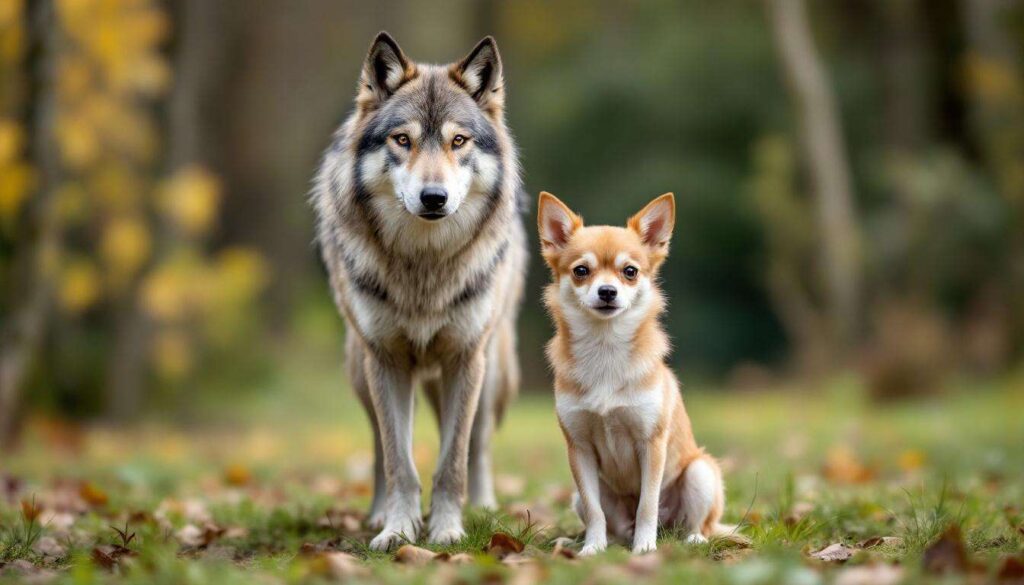
Domestic dogs, from the tiniest teacup breeds to the most imposing working animals, share a remarkable genetic heritage with their wild ancestors. Recent scientific investigations have revealed that approximately two-thirds of all dogs worldwide still carry significant portions of wolf DNA in their genetic makeup. This striking statistic challenges many assumptions about how thoroughly domestication has transformed our canine companions. The persistence of wolf genes across such diverse breeds raises fascinating questions about the evolutionary journey from wild predator to household pet, and demonstrates that even the most pampered lap dog retains echoes of its lupine lineage within its cells.
The Genetic Origin of the Modern Dog
The Domestication Timeline
The transformation of wolves into dogs represents one of humanity’s earliest and most successful domestication projects. Archaeological evidence suggests this process began between 15,000 and 40,000 years ago, though pinpointing an exact date remains challenging. During this extended period, certain wolf populations gradually adapted to living alongside human settlements, initially scavenging refuse before developing closer relationships with people. These proto-dogs offered benefits such as warning of dangers, assistance with hunting, and companionship, whilst humans provided reliable food sources and protection.
The Genetic Foundation
Modern genetic analysis has revealed that all domestic dogs descend from ancient wolf populations, specifically from grey wolves that once roamed across Eurasia. The DNA evidence shows multiple domestication events may have occurred in different geographical regions, contributing to the genetic diversity we observe today. Key genetic markers include:
- Chromosomal variations affecting digestion and metabolism
- Genes controlling coat colour and texture
- Behavioural modifications related to tameness and sociability
- Skeletal structure adaptations for different body sizes
Despite thousands of years of selective breeding, the fundamental genetic architecture remains remarkably similar between wolves and dogs, with studies showing they share approximately 99.9% of their DNA sequence. This genetic proximity explains why wolves and dogs can still interbreed and produce fertile offspring, unlike many other domesticated species and their wild relatives.
Understanding this genetic foundation helps explain why certain wolf characteristics persist even in breeds that appear vastly different from their ancestors.
How Dogs Inherited Wolf DNA
The Mechanisms of Genetic Transmission
The inheritance of wolf DNA in modern dogs follows standard principles of genetic transmission, but with some fascinating complexities. During the domestication process, selective pressures favoured certain traits whilst maintaining others. Genes controlling essential physiological functions remained largely unchanged, whilst those affecting appearance and temperament underwent more significant modification. This selective retention means that core biological systems in dogs still operate using the same genetic instructions as their wolf ancestors.
Breeding and Genetic Diversity
The persistence of wolf DNA across dog populations stems from several factors. Early dog breeding was relatively uncontrolled, allowing natural genetic variation to continue. Even as humans began deliberately selecting for specific traits, the limited understanding of genetics meant that entire chromosomal regions were passed along intact. Modern breeding practices, whilst more sophisticated, still cannot entirely eliminate ancestral genetic material without compromising the animal’s viability.
| Genetic Component | Wolf Similarity | Function |
|---|---|---|
| Metabolic genes | 95-98% | Energy processing and digestion |
| Sensory genes | 93-97% | Smell, hearing, vision |
| Structural genes | 85-95% | Bone and muscle development |
| Behavioural genes | 80-90% | Social and hunting instincts |
Regional Variations
Interestingly, the proportion and type of wolf DNA varies geographically. Dogs from different regions inherited genetic material from distinct wolf populations, creating subtle variations in their genetic profiles. European dogs, Asian dogs, and those from the Americas each carry slightly different combinations of ancestral wolf genes, reflecting the complex history of canine dispersal across continents.
These inheritance patterns become particularly intriguing when examining breeds that bear little physical resemblance to wolves.
The Mystery of Small Breeds: even Chihuahuas
The Paradox of Size
Perhaps no breed illustrates the surprising persistence of wolf DNA more dramatically than the Chihuahua. Weighing as little as two pounds and standing barely six inches tall, these diminutive dogs seem utterly removed from their wolf heritage. Yet genetic testing confirms they carry substantial amounts of wolf DNA, just like their larger cousins. This apparent contradiction highlights how physical appearance can be dramatically altered through selective breeding whilst the underlying genetic code remains largely intact.
The Genetics of Miniaturisation
The creation of tiny dog breeds involved selecting for mutations in specific genes controlling growth and development, particularly those affecting the IGF1 gene (insulin-like growth factor 1). These mutations dramatically reduced body size without requiring wholesale changes to the animal’s genome. Consequently, a Chihuahua’s genes for sensory perception, digestion, reproduction, and many behavioural traits remain essentially identical to those found in wolves. The genetic instructions for building a large predator are still present; they’re simply overridden by a few key modifications.
Retained Wolf Characteristics
Small breeds demonstrate numerous wolf-derived traits despite their size:
- Pack mentality and social hierarchies
- Territorial behaviour and protective instincts
- Prey drive and hunting sequences
- Vocalisations including howling
- Denning behaviours and nesting preferences
Chihuahua owners frequently report that their pets display surprising boldness and assertiveness, characteristics that make more sense when viewed through the lens of their wolf ancestry. These tiny dogs often behave as though they’re much larger animals, a testament to the behavioural programming encoded in their inherited wolf DNA.
This genetic continuity extends beyond mere physical traits to influence how dogs interact with their environment and other animals.
The Impact of Wolf DNA on Canine Behaviour
Instinctive Behaviours
The wolf DNA present in modern dogs manifests most clearly in their behaviour patterns. Many actions that owners consider quirky or inexplicable are actually ancestral behaviours inherited directly from wolves. These include circling before lying down, scratching at bedding to create a comfortable nest, and burying valued items for later retrieval. Such behaviours served important survival functions for wolves and persist in dogs despite being largely unnecessary in domestic settings.
Social Structure and Communication
Dogs’ social behaviours closely mirror those of wolves, reflecting their shared genetic heritage. Both species form hierarchical groups, communicate through complex body language, and engage in cooperative activities. The ability of dogs to integrate into human families stems partly from this pack-oriented psychology, as they naturally slot humans into their social framework. Wolf-derived communication methods include:
- Tail positions indicating emotional states
- Ear orientations signalling attention or submission
- Facial expressions conveying intentions
- Scent marking to establish territory
- Vocalisation patterns for different contexts
Hunting and Prey Drive
Even dogs fed exclusively from bowls retain hunting instincts encoded in their wolf DNA. The sequence of behaviours involved in hunting—searching, stalking, chasing, catching, and consuming—appears across breeds, though selective breeding has emphasised different components. Herding dogs, for instance, have been bred to perform the stalking and chasing elements whilst suppressing the final killing bite. Retrievers focus on the carrying aspect of prey handling. These specialisations demonstrate how wolf hunting behaviours have been redirected rather than eliminated.
Scientists have employed sophisticated techniques to uncover these genetic connections between wolves and dogs.
The Scientific Research Behind the Discoveries
Genomic Sequencing Studies
The revelation that two-thirds of dogs carry significant wolf DNA emerged from comprehensive genomic sequencing projects conducted over the past two decades. Researchers collected DNA samples from thousands of dogs representing hundreds of breeds, alongside samples from wolf populations worldwide. Advanced sequencing technology allowed scientists to map entire genomes and identify which segments originated from ancestral wolves versus those modified through domestication and selective breeding.
Key Research Findings
Several landmark studies have illuminated the genetic relationship between dogs and wolves. Research published in leading scientific journals has demonstrated that whilst all dogs descended from wolves, the degree of wolf DNA retention varies. Approximately 67% of dogs possess genetic sequences that remain virtually unchanged from their wolf ancestors. These sequences often control fundamental biological processes that cannot be significantly altered without compromising the animal’s health and viability.
| Research Institution | Key Finding | Sample Size |
|---|---|---|
| University of Oxford | Multiple domestication events identified | 5,000+ dogs |
| National Institutes of Health | Core metabolic genes unchanged | 3,200+ dogs |
| Swedish Museum of Natural History | Ancient DNA confirms wolf origin | 1,500+ samples |
Methodological Approaches
Scientists employed various techniques to establish these genetic connections, including comparative genomics, phylogenetic analysis, and ancient DNA extraction from archaeological specimens. By comparing modern dog genomes with those of contemporary wolves and ancient wolf remains, researchers constructed detailed evolutionary trees showing how different dog populations diverged from their common ancestor.
These scientific insights have transformed our understanding of how dog breeds developed their distinctive characteristics.
The Evolution of Dog Breeds Through Time
Early Breed Development
The diversification of dogs into recognisable breeds occurred relatively recently in evolutionary terms. For most of their history, dogs remained fairly similar to one another, with variations primarily reflecting geographical adaptations rather than deliberate human selection. Systematic breed creation only intensified during the past few centuries, particularly during the Victorian era when breed standards were formalised and kennel clubs established.
Selection Pressures and Genetic Change
Despite intensive selective breeding, the fundamental wolf genetic framework has proven remarkably resistant to change. Breeders successfully modified superficial characteristics such as coat type, ear shape, and body proportions, but the underlying physiological systems remained largely intact. This explains why breeds as visually distinct as Great Danes and Pomeranians both retain substantial wolf DNA. The genes controlling size, colour, and appearance represent only a tiny fraction of the total genome.
Modern Breeding Practices
Contemporary dog breeding continues to work within the constraints imposed by this wolf genetic heritage. Attempts to create entirely novel traits often fail or produce health problems because they conflict with fundamental biological requirements inherited from wolves. Responsible breeders increasingly recognise the importance of maintaining genetic diversity and avoiding extreme modifications that compromise animal welfare.
The persistence of wolf DNA across all dog breeds, from the mightiest to the most minute, reveals the enduring legacy of domestication. Whilst selective breeding has produced remarkable physical diversity, the genetic core remains firmly rooted in lupine ancestry. This biological reality connects every domestic dog to the wild wolves that once cautiously approached human campfires, beginning a partnership that would transform both species. Understanding this genetic continuity enriches our appreciation of dogs and reminds us that even the most pampered pet retains the essence of its wild heritage within every cell.