
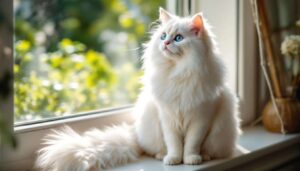
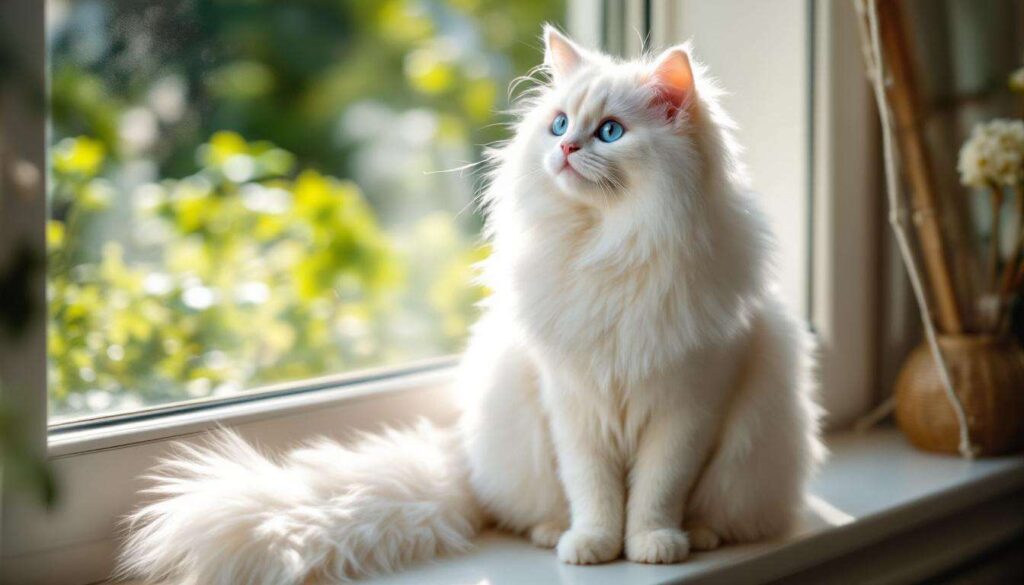
The Turkish Angora, with its elegant silhouette and striking appearance, has captivated cat enthusiasts for centuries. This ancient breed, originating from the mountainous regions of Turkey, combines grace with a robust constitution. For prospective owners and current guardians alike, understanding the lifespan of these magnificent felines is essential for providing appropriate care throughout their lives. The longevity of a Turkish Angora depends on various interconnected factors, from genetics to lifestyle choices, making it crucial to examine what contributes to a long and healthy existence for these remarkable companions.
Life expectancy of the Turkish Angora
Average lifespan statistics
The Turkish Angora typically lives between 12 and 18 years, with many individuals reaching the upper end of this range when provided with excellent care. Some exceptionally well-maintained Turkish Angoras have been documented living into their early twenties, though this represents the minority rather than the norm. Compared to other cat breeds, the Turkish Angora enjoys a relatively long lifespan, positioning it favourably amongst pedigree felines.
| Age Range | Percentage of Turkish Angoras |
|---|---|
| 10-14 years | 35% |
| 15-18 years | 50% |
| 19+ years | 15% |
Gender differences in longevity
Research suggests that female Turkish Angoras generally outlive their male counterparts by approximately one to two years on average. This pattern mirrors trends observed across many mammalian species. Neutered and spayed Turkish Angoras tend to live longer than their intact counterparts, with altered cats often enjoying an additional two to three years of life due to reduced risks of certain cancers and behavioural issues that could lead to accidents or injuries.
Understanding these baseline expectations provides a foundation for examining what actually influences how long an individual cat might live.
Factors influencing the longevity of the Turkish Angora
Genetic predispositions
The genetic heritage of a Turkish Angora plays a fundamental role in determining lifespan. Reputable breeders conduct health screenings to minimise hereditary conditions, including hypertrophic cardiomyopathy, a heart condition that can affect the breed. White Turkish Angoras with blue eyes may carry genes associated with deafness, which, whilst not directly life-threatening, can impact quality of life and safety. Cats from lines with documented longevity tend to inherit robust constitutions that favour extended lifespans.
Environmental conditions
The living environment significantly impacts a Turkish Angora’s longevity. Indoor cats typically live substantially longer than outdoor cats, often by five to ten years. The primary reasons include:
- Reduced exposure to infectious diseases and parasites
- Elimination of traffic-related accidents
- Protection from predators and hostile animals
- Decreased risk of poisoning from toxic substances
- Lower likelihood of getting lost or stolen
Quality of veterinary care
Access to regular veterinary attention proves instrumental in extending a Turkish Angora’s life. Cats receiving annual health examinations during their younger years and bi-annual check-ups after age seven benefit from early detection of potential health issues. Vaccinations, dental care, and prompt treatment of illnesses all contribute to longevity. The relationship between consistent veterinary oversight and extended lifespan cannot be overstated.
These foundational factors set the stage for the practical steps owners can take to safeguard their companion’s wellbeing.
Caring for the health of your Turkish Angora
Preventative veterinary measures
Establishing a comprehensive preventative care routine forms the cornerstone of maintaining your Turkish Angora’s health. This includes keeping vaccinations current against feline viral rhinotracheitis, calicivirus, and panleukopenia. Regular parasite prevention, covering both internal and external parasites, protects against conditions that could compromise health. Annual blood work beginning around age seven helps identify kidney disease, hyperthyroidism, and diabetes before symptoms become apparent.
Dental hygiene importance
Dental disease represents one of the most overlooked health concerns in cats, yet it significantly impacts overall wellbeing and longevity. Turkish Angoras require regular dental care, including:
- Daily tooth brushing with feline-specific toothpaste
- Dental treats designed to reduce plaque accumulation
- Professional dental cleanings as recommended by your veterinarian
- Regular oral examinations for signs of gingivitis or tooth resorption
Untreated dental disease can lead to bacteria entering the bloodstream, potentially affecting the heart, kidneys, and liver.
Monitoring for breed-specific conditions
Turkish Angora owners should remain vigilant for signs of hypertrophic cardiomyopathy, the most common cardiac disease in cats. Symptoms include lethargy, difficulty breathing, and reduced appetite. Additionally, ataxia, a neurological condition affecting coordination, has been observed in some Turkish Angora lines. Early detection through regular veterinary assessments allows for management strategies that can extend quality life years.
Beyond medical interventions, daily lifestyle choices profoundly influence your cat’s longevity.
Diet and exercise
Nutritional requirements for optimal health
Providing species-appropriate nutrition is paramount for Turkish Angora longevity. As obligate carnivores, these cats require diets high in animal protein and low in carbohydrates. Quality commercial foods formulated for life stage (kitten, adult, senior) ensure appropriate nutrient balance. Key nutritional considerations include:
- High-quality animal protein as the primary ingredient
- Adequate moisture content, particularly for cats prone to urinary issues
- Appropriate caloric density to maintain ideal body weight
- Essential fatty acids for coat health and inflammation reduction
- Taurine supplementation for cardiac and ocular health
Maintaining healthy weight
Obesity represents a significant threat to feline longevity, contributing to diabetes, joint disease, and hepatic lipidosis. The Turkish Angora’s naturally slender build makes weight monitoring straightforward. Cats should have a visible waist when viewed from above and ribs that are easily felt but not prominently visible. Portion control and measured feeding prevent the gradual weight gain that often accompanies ageing and reduced activity levels.
Physical activity and mental stimulation
Turkish Angoras are characteristically active and playful throughout their lives. Regular exercise maintains muscle mass, supports cardiovascular health, and prevents obesity. Interactive play sessions, climbing structures, and puzzle feeders provide both physical exertion and mental engagement. Dedicating at least 20-30 minutes daily to active play helps maintain your Turkish Angora’s vitality well into their senior years.
As Turkish Angoras mature, recognising the subtle changes that accompany advancing age becomes increasingly important.
Signs of ageing in the Turkish Angora
Physical changes to expect
The ageing process manifests through various physical transformations in Turkish Angoras. Senior cats often develop a slightly unkempt coat as grooming becomes more challenging due to arthritis. The once-pristine white coat may develop a yellowish tinge, particularly around the face and paws. Muscle atrophy becomes noticeable along the spine and hindquarters, whilst the shoulder blades may appear more prominent. Eyes may develop a bluish haze from lenticular sclerosis, a normal age-related change distinct from cataracts.
Behavioural modifications
Senior Turkish Angoras typically exhibit altered behaviour patterns that reflect their changing needs and capabilities. Common behavioural changes include:
- Increased vocalization, particularly at night
- Reduced tolerance for handling or interaction
- Changes in sleep patterns and location preferences
- Decreased interest in play or hunting behaviours
- Confusion or disorientation in familiar environments
Common age-related health conditions
Turkish Angoras commonly develop chronic kidney disease as they age, with symptoms including increased thirst, frequent urination, and weight loss. Hyperthyroidism frequently affects senior cats, causing weight loss despite increased appetite, hyperactivity, and poor coat condition. Arthritis, whilst less obvious in cats than dogs, causes reduced jumping ability, reluctance to use stairs, and stiffness after rest. Regular veterinary monitoring enables early intervention for these conditions.
Armed with knowledge about the ageing process, owners can implement strategies to maximise their companion’s remaining years.
Tips for extending the life of your Turkish Angora
Creating an age-appropriate environment
Adapting your home to accommodate an ageing Turkish Angora significantly enhances quality of life. Provide easily accessible litter trays with low sides, as arthritis may make climbing difficult. Position food and water bowls at comfortable heights to reduce neck strain. Offer soft, warm bedding in quiet locations away from household traffic. Consider ramps or steps to favourite elevated resting spots, and ensure adequate lighting for cats with declining vision.
Strengthening the human-animal bond
The emotional wellbeing of Turkish Angoras directly influences their physical health and longevity. These cats form strong attachments to their human families and thrive on consistent, gentle interaction. Regular grooming sessions not only maintain coat health but also provide opportunities to check for lumps, wounds, or other abnormalities. Maintaining routines provides security for senior cats who may become anxious with change.
Proactive health management
Implementing proactive health strategies can add quality years to your Turkish Angora’s life:
- Schedule veterinary examinations every six months after age seven
- Maintain detailed health records noting changes in behaviour or appetite
- Address health concerns promptly rather than adopting a wait-and-see approach
- Consider supplements such as omega-3 fatty acids and joint support formulations
- Ensure adequate hydration through water fountains or wet food
- Provide environmental enrichment tailored to current physical capabilities
The Turkish Angora’s impressive lifespan of 12 to 18 years, with some individuals surpassing two decades, reflects both the breed’s inherent robustness and the quality of care provided. Genetics, environment, veterinary attention, nutrition, and exercise collectively determine how long these elegant felines grace our lives. By understanding the factors that influence longevity and recognising the signs of ageing, owners can implement targeted strategies to extend both the length and quality of their Turkish Angora’s life. The commitment to preventative care, appropriate nutrition, mental stimulation, and environmental adaptation ensures these magnificent cats enjoy their full potential lifespan as cherished family members.