



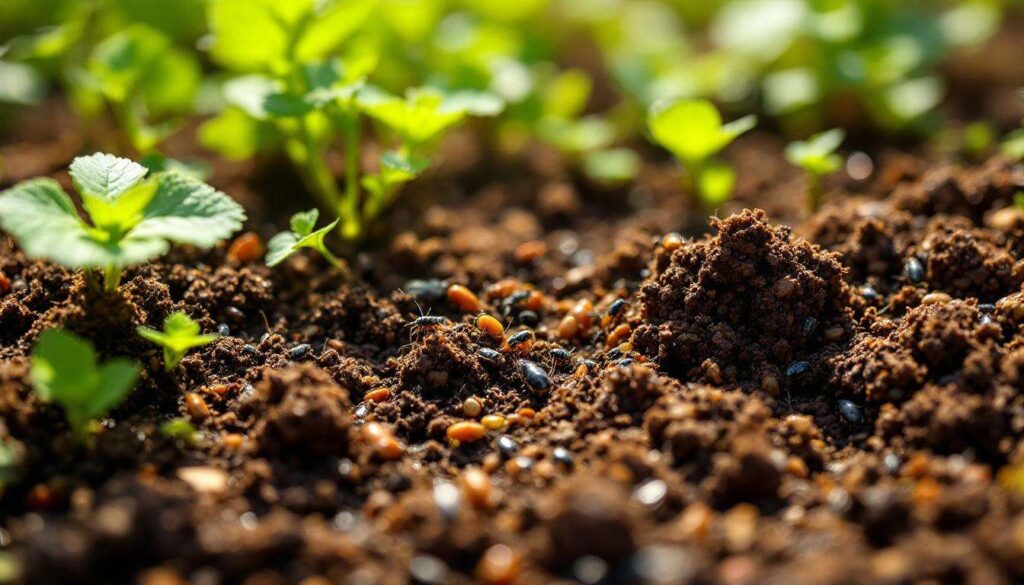
Household pets bring joy and companionship to millions of families, yet their care often involves products with far-reaching environmental consequences. Flea treatments, whilst protecting beloved cats and dogs from parasites, contain potent chemicals that eventually find their way into garden soil. These substances, designed to kill tiny insects, can persist in the environment and disrupt delicate ecosystems beneath our feet. As awareness grows about the interconnectedness of domestic choices and ecological health, examining the hidden impact of routine pet care becomes increasingly urgent.
Introduction to pet flea treatments
Common types of flea control products
Pet owners have numerous options when selecting flea treatments, each containing different active ingredients. Topical spot-on treatments remain the most popular choice, applied directly to the animal’s skin between shoulder blades. These products typically contain chemicals such as fipronil, imidacloprid, or selamectin, which spread through the pet’s sebaceous glands to provide month-long protection.
Other common flea control methods include:
- Oral tablets containing spinosad or afoxolaner
- Flea collars impregnated with deltamethrin or flumethrin
- Sprays and powders for direct application
- Environmental treatments for carpets and furniture
- Shampoos containing pyrethrin or permethrin
How these chemicals work
Most modern flea treatments function as neurotoxins, targeting the nervous systems of parasites. Neonicotinoids like imidacloprid interfere with nerve signal transmission, causing paralysis and death in fleas. Similarly, fipronil blocks chloride channels in insect nerve cells, leading to uncontrolled activity and eventual death. These chemicals are designed to be highly effective against arthropods whilst remaining relatively safe for mammals, though their selectivity has limitations that extend beyond the intended targets.
Understanding these mechanisms proves essential when considering their broader environmental impact, particularly as pets interact with outdoor spaces.
Impact of chemicals on soil biodiversity
How flea treatments enter the soil
The pathway from pet to soil occurs through several routes. When treated animals groom themselves, chemical residues transfer to saliva and subsequently to surfaces they contact. Rain and bathing wash these substances from fur into garden soil and drainage systems. Additionally, pet faeces contain metabolised compounds that decompose directly into the ground.
The persistence of these chemicals varies considerably:
| Chemical compound | Soil half-life | Mobility in soil |
|---|---|---|
| Fipronil | 122-128 days | Low to moderate |
| Imidacloprid | 191-249 days | High |
| Permethrin | 30-38 days | Low |
Effects on soil organisms
Soil biodiversity encompasses an extraordinary range of life forms, from microscopic bacteria to visible invertebrates. Earthworms, springtails, beetles, and mites all play crucial roles in nutrient cycling and soil structure maintenance. Research demonstrates that neonicotinoid compounds accumulate in earthworm tissues, affecting their reproduction and survival rates. A single treated pet regularly accessing a garden can introduce sufficient chemical load to reduce invertebrate populations by measurable percentages.
Beneficial soil arthropods face particular vulnerability, as the very mechanisms that kill fleas prove equally lethal to non-target species sharing similar physiological characteristics. These impacts ripple through the soil ecosystem in ways that become apparent only when examining broader ecological relationships.
Scientific studies on flea treatments
Key research findings
Academic institutions have increasingly focused on quantifying the environmental footprint of veterinary pharmaceuticals. Studies conducted by the Centre for Ecology and Hydrology found detectable levels of fipronil in British waterways, with concentrations occasionally exceeding safety thresholds for aquatic invertebrates. Research published in environmental toxicology journals demonstrates that imidacloprid persists in soil long after application, with measurable effects on non-target insect populations.
Laboratory experiments reveal concerning patterns:
- Reduced earthworm reproduction at environmentally relevant concentrations
- Impaired foraging behaviour in ground beetles exposed to treated soil
- Decreased microbial activity in soil samples containing flea treatment residues
- Bioaccumulation in predatory arthropods feeding on contaminated prey
Gaps in current understanding
Despite growing evidence, significant knowledge gaps remain. Long-term cumulative effects of repeated annual treatments across neighbourhoods lack comprehensive study. The interaction between multiple chemical compounds when pets receive combination treatments remains poorly understood. Additionally, most research focuses on agricultural pesticides rather than specifically examining veterinary products, creating uncertainty about real-world impacts in residential settings.
These scientific insights provide essential context for understanding how localised pet care decisions contribute to broader ecological changes, particularly within garden food webs.
Consequences for the local food chain
Disruption of garden ecosystems
Gardens represent miniature ecosystems where numerous species interact through predation, pollination, and decomposition. When flea treatment chemicals reduce populations of soil invertebrates, the effects cascade upwards. Ground beetles, which control pest species like slugs and aphids, decline when their prey base diminishes. Similarly, insectivorous birds such as robins and blackbirds depend heavily on earthworms and soil arthropods, particularly during breeding season when protein demands peak.
Broader ecological implications
The consequences extend beyond individual gardens. Urban and suburban green spaces collectively form important habitat networks for wildlife. Research indicates that:
- Hedgehog populations decline partly due to reduced invertebrate availability
- Amphibians consuming contaminated prey experience sublethal effects
- Pollinator species visiting treated gardens face additional chemical stressors
- Soil health degradation reduces plant vigour and biodiversity
A 2019 assessment of British gardens found that properties with regularly treated pets showed measurably lower invertebrate diversity compared to untreated households. This pattern suggests that cumulative neighbourhood-level effects may significantly impact local wildlife populations, particularly in areas with high pet ownership density.
Recognising these ecological costs naturally prompts questions about whether safer alternatives exist that can protect pets without compromising environmental health.
Eco-friendly alternatives for flea treatments
Natural prevention methods
Several non-chemical approaches can reduce flea burdens without introducing synthetic compounds into the environment. Regular grooming with fine-toothed flea combs physically removes adult fleas before reproduction occurs. Washing pet bedding weekly in hot water eliminates eggs and larvae. Maintaining a clean home environment through frequent vacuuming interrupts the flea lifecycle by removing immature stages from carpets and furniture.
Natural deterrents include:
- Diatomaceous earth applied to pet bedding and carpets
- Essential oil-based repellents containing cedarwood or lemongrass
- Herbal flea collars with natural compounds
- Nematode treatments for outdoor areas that target flea larvae
Lower-impact chemical options
When chemical intervention becomes necessary, some products present reduced environmental risks. Oral medications containing lufenuron work by preventing flea egg development rather than killing adult insects, resulting in lower environmental contamination. Nitenpyram provides rapid knockdown but breaks down quickly, minimising persistence. Consulting veterinary professionals about products with shorter environmental half-lives and lower toxicity to non-target species helps balance pet protection with ecological responsibility.
Integrated pest management approaches
The most effective strategy combines multiple methods rather than relying solely on chemical treatments. Monitoring flea populations through regular pet inspection allows targeted intervention only when necessary. Treating indoor environments alongside pets prevents reinfestation without continuous chemical use. This integrated approach reduces overall chemical load whilst maintaining effective parasite control.
Implementing these alternatives requires commitment and education, highlighting the importance of raising awareness amongst pet owners about their environmental responsibilities.
Awareness and sustainable solutions for pet owners
Making informed choices
Pet owners increasingly seek to balance animal welfare with environmental stewardship. Understanding product labels represents the first step towards informed decision-making. Active ingredients, environmental warnings, and disposal instructions all provide crucial information. Veterinary surgeons can recommend products appropriate for individual circumstances, considering factors such as the pet’s lifestyle, local flea prevalence, and environmental sensitivity.
Responsible application and disposal
Proper use significantly reduces environmental impact. Key practices include:
- Applying only the recommended dose for the pet’s weight
- Preventing treated pets from swimming in natural water bodies for 48 hours
- Disposing of empty containers according to hazardous waste guidelines
- Avoiding treatment immediately before heavy rain
- Keeping treated pets indoors during application periods
Community-level initiatives
Neighbourhood awareness programmes can amplify individual efforts. Community gardens and wildlife groups increasingly educate members about pet care products’ environmental impacts. Some local councils provide information about eco-friendly pest control through environmental health departments. Veterinary practices adopting green certification programmes demonstrate commitment to sustainable animal care, offering guidance on minimising ecological footprints whilst maintaining pet health.
Collective action multiplies the benefits of individual choices, creating healthier environments for both pets and wildlife. As understanding deepens about the connections between domestic products and ecosystem health, pet owners gain power to make choices that protect their animals without compromising the living soil beneath their gardens.
The relationship between pet care and environmental health reveals itself as more complex than initially apparent. Flea treatments, whilst essential for animal welfare, introduce persistent chemicals into soil ecosystems where they affect countless organisms fundamental to ecological function. Scientific evidence increasingly documents these impacts, from reduced earthworm populations to disrupted food chains affecting garden wildlife. Fortunately, alternatives exist, ranging from natural prevention methods to lower-impact chemical options and integrated management strategies. By making informed choices about flea control products, applying them responsibly, and supporting community awareness initiatives, pet owners can protect their animals whilst preserving the biodiversity that sustains healthy gardens and local ecosystems. The challenge lies not in abandoning parasite control but in adopting approaches that recognise pets as part of broader ecological communities deserving careful stewardship.