



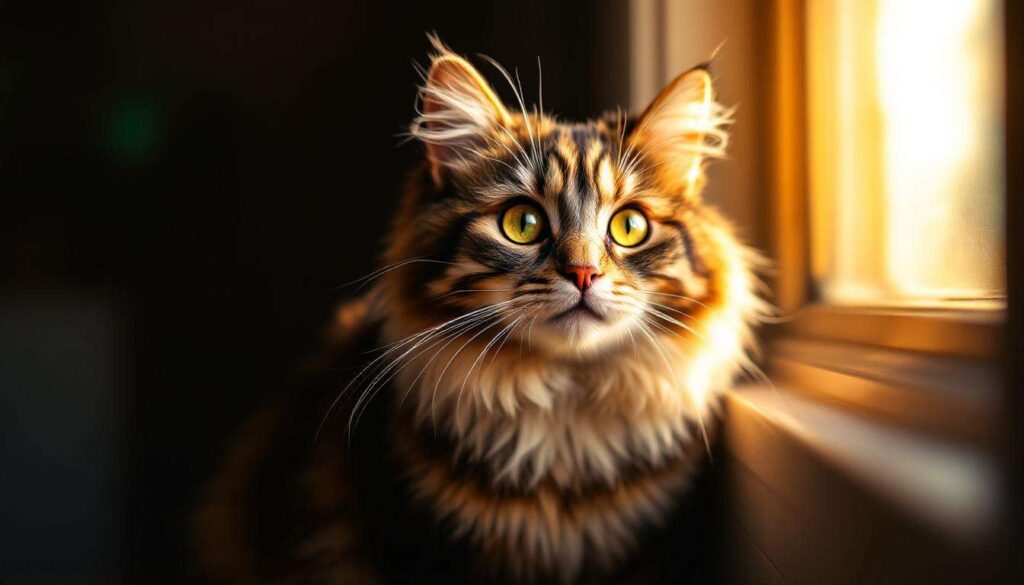
Cats have long fascinated humans with their enigmatic behaviour and subtle forms of expression. Recent research into feline communication has revealed sophisticated methods through which these animals convey their needs, emotions, and intentions. Understanding these signals can transform the relationship between cats and their human companions, reducing misunderstandings and fostering deeper connections. Veterinary behaviourists and animal psychologists continue to uncover new insights into how cats perceive and respond to their environment, offering practical guidance for anyone seeking to improve their interactions with these independent yet affectionate creatures.
Understanding a Cat’s Body Language
Tail Positions and Movements
The tail serves as one of the most expressive parts of a cat’s anatomy, functioning as a visual indicator of emotional state. A vertical tail with a slight curve at the tip typically signals contentment and friendliness, whilst a puffed-up tail indicates fear or aggression. When a cat’s tail twitches rapidly from side to side, this often demonstrates irritation or overstimulation, suggesting the need for space.
| Tail Position | Emotional State |
|---|---|
| Upright with curved tip | Happy and approachable |
| Low or tucked | Fearful or submissive |
| Thrashing | Agitated or annoyed |
| Puffed up | Frightened or defensive |
Ear and Whisker Positions
Ears provide equally valuable information about a cat’s mental state. Forward-facing ears indicate curiosity and engagement, whilst flattened ears pressed against the head signal fear or aggression. Whiskers complement this communication system: when relaxed and slightly forward, they suggest a calm demeanour, but when pulled back tightly against the face, they indicate anxiety or defensive posturing.
Eye Contact and Pupil Dilation
Feline eye communication operates differently from human conventions. Prolonged direct eye contact can be interpreted as threatening, whilst slow blinking represents trust and affection. Pupil size also conveys information beyond simple light adjustment. Dilated pupils may indicate excitement, fear, or playfulness, depending on the accompanying body language, whilst constricted pupils often suggest focused attention or potential aggression.
These physical signals form the foundation of feline expression, but cats also employ an extensive vocal repertoire to communicate their intentions.
The Sounds and Their Meaning
Varieties of Meowing
Contrary to popular belief, adult cats rarely meow to communicate with each other, reserving this vocalisation primarily for human interaction. Research suggests that domestic cats have adapted their vocal patterns to elicit responses from humans. The pitch, duration, and frequency of meows vary according to need:
- Short, high-pitched meows typically serve as greetings
- Prolonged, lower-pitched meows often indicate demands or complaints
- Repeated meowing suggests urgency or distress
- Silent meows, where the mouth opens without sound, represent a particularly affectionate form of communication
Purring and Its Complexities
Purring represents one of the most recognisable feline sounds, yet its meaning extends beyond simple contentment. Cats purr in various situations, including when injured or stressed, suggesting this behaviour may serve as a self-soothing mechanism. The frequency of purring vibrations, typically between 25 and 150 Hertz, has been associated with therapeutic effects on bone density and tissue healing.
Hissing, Growling, and Yowling
These vocalisations constitute warning signals that should never be ignored. Hissing mimics the sound of a snake, serving as a defensive deterrent when a cat feels threatened. Growling indicates serious displeasure or territorial defence, whilst yowling often relates to mating behaviour or territorial disputes between cats. Understanding these sounds helps prevent escalation into aggressive encounters.
Whilst vocalisations provide important clues, the physical environment plays an equally significant role in how cats communicate and behave.
The Importance of Environment in Communication
Territorial Markers and Scent Communication
Cats possess scent glands on their faces, paws, and flanks, using these to mark territory and communicate with other cats. When a cat rubs against furniture, doorways, or human legs, it deposits pheromones that create a familiar scent profile. This behaviour, known as bunting, serves both to claim territory and express affection. Scratching posts serve dual purposes: maintaining claw health and leaving visual and olfactory markers.
Spatial Preferences and Vertical Territory
Cats perceive their environment three-dimensionally, with vertical space holding particular significance. Elevated positions provide security and allow cats to survey their territory. Providing appropriate vertical spaces through cat trees, shelves, or window perches enables cats to express natural behaviours and reduces stress. The arrangement of resources such as food bowls, water stations, and litter trays also affects feline wellbeing and communication patterns.
Environmental Stressors
Changes in the home environment can significantly impact a cat’s communication style. New furniture, renovations, or alterations to daily routines may trigger anxiety-related behaviours such as excessive vocalisation, hiding, or inappropriate elimination. Maintaining consistency in the environment and introducing changes gradually helps cats feel secure and communicate more effectively.
Beyond understanding environmental factors, humans can actively employ specific gestures to enhance communication with their feline companions.
Using Gestures to Interact with Your Cat
The Slow Blink Technique
One of the most effective gestures for building trust involves the slow blink. By making eye contact with a cat and slowly closing and opening your eyes, you communicate non-threatening intentions and affection. Many cats reciprocate this gesture, establishing a form of visual dialogue that strengthens bonds without physical contact.
Appropriate Approach Methods
When initiating contact, extending a finger at the cat’s nose level allows the animal to investigate your scent and decide whether to accept interaction. This approach respects feline autonomy and reduces the likelihood of defensive reactions. Avoid reaching directly over a cat’s head, as this movement can trigger instinctive defensive responses.
Petting Preferences and Boundaries
Most cats prefer being stroked on areas containing scent glands: the cheeks, chin, and base of the ears. These regions feel pleasant to cats and facilitate scent exchange. Conversely, many cats dislike having their stomachs, paws, or tail bases touched. Recognising individual preferences and respecting boundaries demonstrates understanding of feline communication.
However, even well-intentioned interactions can go awry when common mistakes interfere with effective communication.
Mistakes to Avoid in Feline Communication
Misinterpreting Affection Signals
A common error involves confusing a cat’s tolerance with enjoyment. When a cat’s tail begins twitching during petting, this signals approaching overstimulation rather than pleasure. Continuing to pet beyond this point often results in scratching or biting. Similarly, an exposed belly does not necessarily constitute an invitation for touch; it may simply indicate the cat feels secure enough to adopt a vulnerable position.
Inconsistent Responses
Cats thrive on predictability and consistency. Responding differently to the same behaviour confuses cats and undermines communication. For instance, sometimes allowing a cat on kitchen counters whilst prohibiting it at other times creates unclear boundaries that frustrate both parties.
Punishment-Based Approaches
Physical punishment or loud reprimands damage trust and fail to address underlying causes of unwanted behaviours. Cats do not associate punishment with specific actions in the way humans intend, instead learning to fear the punisher. Positive reinforcement and environmental management prove far more effective for modifying behaviour whilst maintaining healthy communication.
Ignoring Context
Interpreting feline signals requires consideration of the broader context. A cat with dilated pupils might be playful, frightened, or preparing to hunt, depending on accompanying body language and environmental factors. Failing to assess the complete picture leads to miscommunication and inappropriate responses.
Avoiding these pitfalls creates opportunities to develop more meaningful connections with feline companions through improved understanding.
Strengthening the Bond with Your Cat Through Communication
Establishing Routines
Cats find comfort in predictable patterns. Maintaining consistent feeding times, play sessions, and grooming routines provides structure that reduces anxiety and facilitates clearer communication. When cats understand what to expect, they communicate their needs more directly and exhibit fewer stress-related behaviours.
Interactive Play as Dialogue
Play serves as a crucial form of communication between cats and humans. Using appropriate toys that mimic prey movements allows cats to express hunting instincts safely. Recognising when a cat initiates play through specific body language or vocalisations, and responding appropriately, demonstrates attentiveness to feline communication. Regular interactive play sessions strengthen bonds whilst providing necessary mental and physical stimulation.
Respecting Individual Personalities
Each cat possesses a unique personality with distinct communication preferences. Some cats enjoy extensive physical contact, whilst others prefer parallel companionship. Observing and adapting to individual preferences rather than imposing human expectations creates more authentic relationships. This personalised approach acknowledges cats as individuals with specific needs and communication styles.
Effective feline communication requires patience, observation, and willingness to adapt human behaviour to accommodate cats’ natural instincts and preferences. By understanding body language, vocal cues, environmental factors, and appropriate interaction methods, humans can develop richer relationships with their cats. Avoiding common mistakes and consistently applying these principles transforms everyday interactions into meaningful exchanges. The resulting bond benefits both species, creating harmonious households where cats feel understood and humans gain deeper appreciation for their remarkable companions. Investing time in learning feline communication ultimately rewards both parties with enhanced mutual understanding and lasting companionship.