



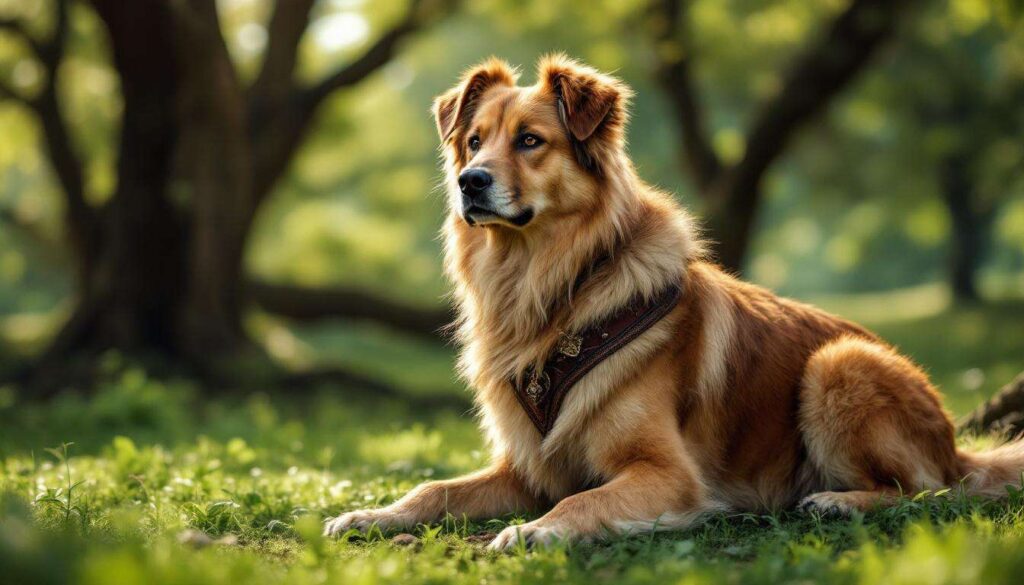
Dogs have walked alongside humans for thousands of years, serving as companions, hunters, guardians and workers. Some breeds trace their lineage back to ancient civilisations, where they were revered for their loyalty, strength and specialised skills. These remarkable canines have survived centuries of change, adapting to different environments whilst maintaining their distinctive characteristics. From the deserts of the Middle East to the mountains of Tibet, from African villages to Japanese shores, these ancient breeds offer a fascinating glimpse into the shared history between humans and their four-legged friends. Understanding their origins provides insight into how different cultures shaped these dogs to meet specific needs, creating breeds that remain recognisable today.
The ancient origins of the basenji
Africa’s barkless wonder
The basenji stands as one of the most primitive dog breeds known to humanity, with origins tracing back to ancient Egypt and Central Africa. Archaeological evidence suggests these dogs existed as far back as 3000 BCE, depicted in cave paintings and tomb decorations alongside pharaohs. Unlike most canines, the basenji produces a distinctive yodel-like sound rather than a traditional bark, earning it the nickname “the barkless dog”.
These elegant hunting dogs were prized by African tribes for their exceptional tracking abilities and intelligence. The basenji’s characteristics include:
- A tightly curled tail carried over the back
- Wrinkled forehead giving an alert expression
- Short, fine coat in various colours including red, black and brindle
- Cat-like grooming habits and independent temperament
- Remarkable hunting instincts and keen eyesight
Rediscovery and modern recognition
The breed remained relatively unknown outside Africa until British explorers encountered them in the Congo region during the nineteenth century. Early attempts to bring basenjis to Europe proved challenging, as many dogs succumbed to distemper. It wasn’t until the 1930s that successful breeding programmes established the basenji in Western kennels, where they gained recognition for their unique qualities and ancient heritage.
| Characteristic | Description |
|---|---|
| Height | 40-43 cm |
| Weight | 9-11 kg |
| Lifespan | 12-16 years |
| Temperament | Independent, intelligent, energetic |
Whilst the basenji represents Africa’s contribution to ancient canine breeds, the frozen landscapes of northern Asia produced equally remarkable dogs adapted to extreme conditions.
Siberian legends: the Siberian husky
The Chukchi people’s companion
The Siberian husky emerged from the harsh Arctic regions inhabited by the Chukchi people of northeastern Siberia over 3,000 years ago. These indigenous communities developed the breed specifically for sledding, transportation and companionship in one of Earth’s most unforgiving climates. The husky’s remarkable endurance and ability to survive on minimal food made them invaluable for covering vast distances across frozen tundra.
The Chukchi treated their huskies as family members, allowing them to sleep alongside children for warmth. This close relationship fostered the breed’s gentle temperament and social nature. Key attributes include:
- Thick double coat providing insulation against temperatures below -50°C
- Striking blue or multi-coloured eyes
- Powerful build designed for pulling moderate loads over long distances
- Friendly disposition towards humans and other dogs
- High energy levels requiring substantial exercise
From Arctic survival to global recognition
The breed gained international attention during the 1925 serum run to Nome, Alaska, when teams of huskies transported life-saving diphtheria medication across 674 miles of treacherous terrain. This heroic journey, led by the famous dog Balto, demonstrated the extraordinary capabilities of these Arctic athletes and secured their place in popular culture.
Today’s Siberian huskies retain their ancestral characteristics whilst serving primarily as beloved family pets and competitive sled dogs. Their ancient lineage connects modern owners to the traditions of nomadic peoples who depended on these dogs for survival. The mountains of Asia hold another ancient breed with an equally impressive pedigree.
The noble history of the Tibetan mastiff
Guardian of the Himalayas
The Tibetan mastiff represents one of the most ancient guardian breeds, with DNA evidence suggesting origins dating back several thousand years. Bred by nomadic cultures in Tibet, Nepal, and the Himalayan regions, these massive dogs protected livestock from predators including wolves, leopards and bears. Their imposing size and protective instincts made them formidable guardians of monasteries and villages perched high in the mountains.
Marco Polo reportedly encountered these dogs during his travels through Asia, describing them as “tall as donkeys with voices as powerful as lions”. The breed’s distinctive features include:
- Massive frame weighing between 45-72 kg
- Dense double coat with a thick mane around the neck
- Independent and territorial temperament
- Deep, powerful bark used to warn of intruders
- Nocturnal activity patterns developed for night guarding
Cultural significance and modern status
In Tibetan culture, these mastiffs held sacred status, believed to carry the souls of monks who failed to reincarnate as humans. Wealthy families and monasteries kept them as symbols of prestige and protection. The breed influenced the development of many other large guardian dogs throughout Asia and Europe.
| Aspect | Details |
|---|---|
| Original purpose | Livestock and property guardian |
| Height | 61-66 cm |
| Coat colours | Black, brown, red, grey |
| Exercise needs | Moderate but requires space |
From the mountain heights to the scorching deserts, ancient breeds adapted to vastly different environments, each developing unique survival traits.
Hunting and survival: the saluki in the desert
The royal dog of Egypt
The saluki claims distinction as potentially the oldest domesticated dog breed, with evidence of their existence dating back to 7000 BCE in ancient Mesopotamia. These graceful sighthounds were treasured by Egyptian pharaohs, Bedouin tribes and Persian nobility for their exceptional hunting abilities. Mummified salukis have been discovered in Egyptian tombs, indicating their revered status in ancient societies.
Bred to pursue gazelles, hares and other swift prey across desert terrain, the saluki possesses remarkable speed reaching up to 70 kilometres per hour. Their hunting prowess was essential for survival in harsh desert environments where food sources were scarce. Distinctive characteristics include:
- Lean, aerodynamic build designed for speed and endurance
- Feathered ears and tail in some varieties
- Gentle, reserved temperament with family
- Strong prey drive and independent nature
- Ability to withstand extreme temperature variations
Sacred status among nomadic peoples
Unlike most dogs considered unclean in Islamic culture, the saluki received special exemption and was regarded as a gift from Allah. Bedouin tribes never sold these dogs but presented them as precious gifts to honoured guests. They travelled with their owners in tents, treated with the same care as prized horses.
The breed’s ancient lineage remains relatively pure due to careful breeding practices maintained over millennia. Modern salukis retain their hunting instincts and elegant appearance, serving as living links to ancient civilisations. Another venerable breed from the Far East carries equally mysterious origins.
The secrets of the elder: the ancient shar-pei
China’s wrinkled warrior
The shar-pei emerged in southern China during the Han Dynasty, approximately 2,000 years ago. These distinctive dogs served multiple roles including hunting, herding and guarding in rural villages. Their loose, wrinkled skin and bristly coat provided protection during fights with wild animals and other dogs. The name “shar-pei” translates to “sand skin”, referencing the rough texture of their coat.
Archaeological evidence suggests the breed descended from ancient mastiff-type dogs, developing their unique characteristics through selective breeding. The shar-pei’s notable features include:
- Distinctive wrinkled skin, especially pronounced in puppies
- Blue-black tongue shared with the chow chow
- Small, triangular ears lying flat against the head
- Hippopotamus-shaped muzzle
- Calm, independent temperament with strong loyalty to family
Near extinction and remarkable recovery
The breed faced near extinction during the Communist Revolution in China when dogs were considered symbols of privilege and largely eliminated. By the 1970s, fewer than a dozen shar-peis remained. A Hong Kong businessman named Matgo Law launched an international appeal to save the breed, successfully establishing breeding programmes in America and Europe.
| Period | Status |
|---|---|
| Han Dynasty | Common working dog |
| 1970s | Critically endangered |
| 1980s-present | Successfully recovered |
The shar-pei’s remarkable comeback demonstrates the dedication of breed enthusiasts to preserving ancient lineages. Japan’s contribution to ancient dog breeds showcases similar devotion to heritage.
The deep roots of the mighty akita
Japan’s national treasure
The akita originated in the mountainous regions of northern Japan over 3,000 years ago, initially bred for hunting large game including bears, boars and deer. Named after the Akita prefecture, these powerful dogs evolved into symbols of good health, prosperity and loyalty in Japanese culture. The breed nearly disappeared during World War II when the government ordered all dogs except German shepherds to be culled for their fur.
The most famous akita, Hachiko, waited at a Tokyo train station every day for nine years after his owner’s death, becoming an international symbol of unwavering loyalty. This story elevated the breed’s status and inspired the erection of a bronze statue that remains a popular meeting spot today. Key characteristics include:
- Large, bear-like appearance with thick double coat
- Curled tail carried over the back
- Dignified, courageous temperament
- Strong protective instincts towards family
- Reserved behaviour with strangers
Cultural significance and preservation efforts
In 1931, the Japanese government designated the akita as a national monument, recognising its cultural importance. Dedicated breeders worked tirelessly to restore the breed after World War II, carefully selecting breeding stock to maintain traditional characteristics. The breed split into two distinct types: the Japanese akita inu and the larger American akita.
Modern akitas retain their ancestral traits whilst serving primarily as loyal family companions and show dogs. Their ancient heritage connects owners to centuries of Japanese tradition and the samurai values of courage, dignity and loyalty that these dogs embody.
These eight ancient breeds represent humanity’s enduring bond with dogs across diverse cultures and environments. From the African plains to Arctic tundra, from Himalayan peaks to Arabian deserts, each breed developed unique characteristics suited to their specific roles. Their survival through millennia demonstrates remarkable adaptability and the dedication of countless generations who valued these dogs as essential partners. Today’s descendants carry forward genetic legacies stretching back thousands of years, offering modern families connections to ancient traditions. Understanding these breeds enriches appreciation for the complex relationship between humans and dogs, reminding us that this partnership has shaped both species throughout history.