

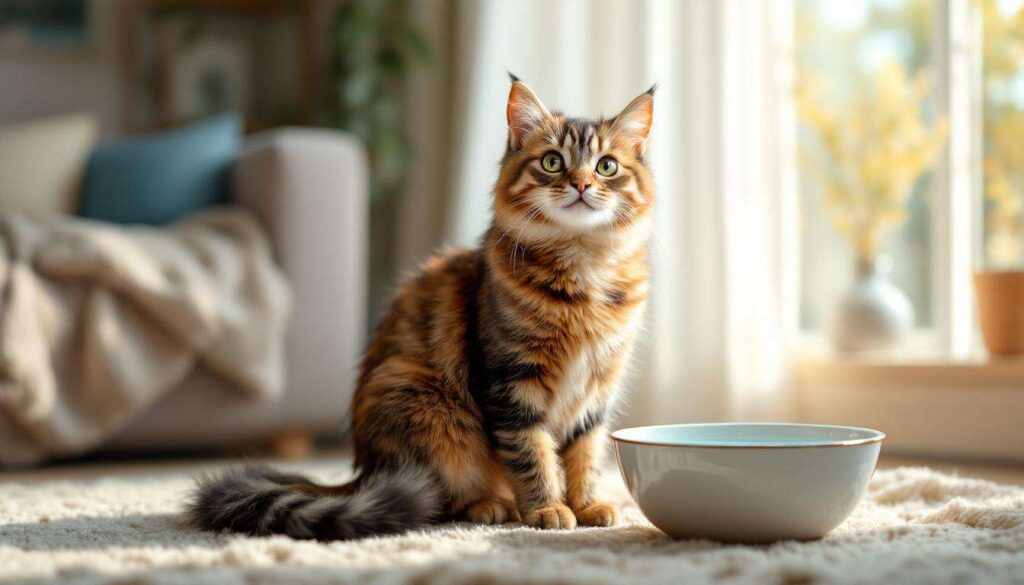
Many cat owners face the puzzling scenario of a full water bowl sitting untouched whilst their feline companion appears disinterested in staying hydrated. This common household mystery often leaves pet parents concerned about their cat’s wellbeing, particularly when dehydration can lead to serious health complications. Understanding why cats exhibit this behaviour requires delving into their evolutionary history, natural instincts, and individual preferences. The domesticated cat retains many traits from its wild ancestors, including specific drinking habits that may seem peculiar to modern pet owners. Recognising these patterns and implementing appropriate solutions can significantly improve your cat’s water intake and overall health.
Why Do Cats Ignore Their Water Bowl ?
Evolutionary instincts and water sources
Cats descended from desert-dwelling ancestors who obtained most of their moisture from prey rather than standing water sources. This evolutionary background means modern cats have a naturally low thirst drive compared to other pets. Their wild predecessors would have avoided stagnant water pools, which could harbour bacteria or indicate the presence of predators. Domestic cats retain this instinctive wariness, making them suspicious of still water in bowls.
Bowl placement and environmental factors
The location of your cat’s water bowl plays a crucial role in whether they’ll use it. Several environmental factors can discourage drinking:
- Proximity to the litter tray, which cats instinctively avoid for hygiene reasons
- Placement near food bowls, as cats prefer separate eating and drinking areas
- High-traffic locations that make cats feel vulnerable whilst drinking
- Insufficient lighting or confined spaces that trigger anxiety
- Strong odours from cleaning products or air fresheners nearby
Bowl material and water freshness concerns
Cats possess remarkably sensitive senses that detect subtle changes in their environment. Plastic bowls can retain odours and harbour bacteria, making water taste unpleasant. Similarly, water that has been sitting for several hours develops a stale taste that cats find unappealing. Metal bowls may reflect light in ways that startle nervous cats, whilst ceramic options can chip and create hiding spots for bacteria.
These behavioural patterns directly contribute to a broader health concern that affects countless felines.
The Reasons Behind Feline Dehydration
Health implications of insufficient water intake
Chronic dehydration poses significant health risks for cats, particularly affecting their urinary and kidney systems. When cats don’t consume adequate water, their bodies cannot effectively flush toxins, leading to concentrated urine that can form crystals or stones. The consequences include:
- Urinary tract infections and blockages
- Chronic kidney disease progression
- Constipation and digestive issues
- Reduced organ function and efficiency
- Decreased energy levels and lethargy
Dietary factors affecting hydration
The type of food your cat consumes dramatically influences their hydration needs. Dry kibble contains approximately 10% moisture, whilst wet food typically contains 70-80% water content. Cats fed exclusively on dry food require substantially more supplementary water to maintain proper hydration levels.
| Food Type | Moisture Content | Additional Water Needed |
|---|---|---|
| Dry Kibble | 10% | High |
| Wet Food | 70-80% | Moderate |
| Raw Diet | 65-75% | Low to Moderate |
Age and medical conditions
Senior cats and those with underlying health conditions face increased dehydration risks. Kidney disease, diabetes, and hyperthyroidism all increase water requirements whilst simultaneously reducing the desire to drink. Kittens also need careful monitoring as their smaller bodies are more susceptible to rapid dehydration.
Recognising these risk factors helps explain why understanding your cat’s specific water preferences becomes essential.
Understanding Cats’ Water Preferences
Temperature and taste considerations
Cats demonstrate distinct preferences regarding water temperature and taste. Many felines prefer cool, fresh water over room temperature options. Tap water containing chlorine or other chemicals may deter sensitive cats, whilst filtered or bottled water often proves more appealing. Some cats even show preferences for specific mineral contents or pH levels.
Movement and oxygenation attraction
Running water naturally attracts cats for several evolutionary reasons. Moving water appears fresher and safer than stagnant sources, triggering innate drinking behaviours. The sound of flowing water also serves as an auditory cue that appeals to feline senses. Additionally, moving water contains more oxygen, which can enhance taste and appeal.
Individual personality and learned behaviours
Each cat develops unique drinking habits based on personality and past experiences. Some cats prefer drinking from unusual sources such as:
- Dripping taps or bathroom sinks
- Glasses left on tables or countertops
- Plant saucers or outdoor puddles
- Shower floors or bathtubs
- Fish tanks or decorative water features
These individual quirks provide valuable insights into effective hydration strategies.
How to Encourage Your Cat to Drink More Water ?
Strategic bowl placement techniques
Optimising water bowl locations throughout your home can significantly increase consumption. Place multiple bowls in quiet, accessible areas where your cat feels safe. Ensure separation from food and litter areas, ideally positioning water sources in rooms your cat frequents naturally. Consider elevated positions for cats who prefer drinking at height.
Enhancing water appeal naturally
Simple modifications can make water more enticing without expensive equipment:
- Refresh water multiple times daily to maintain freshness
- Add ice cubes during warm weather for temperature appeal
- Use wide, shallow bowls that don’t touch whiskers
- Incorporate small amounts of tuna water or low-sodium broth
- Experiment with different bowl materials and sizes
Dietary adjustments for better hydration
Incorporating moisture-rich foods provides an effective supplementary hydration method. Gradually increasing wet food portions or adding water to dry kibble helps cats consume more fluids passively. Some owners successfully create homemade broths or freeze diluted wet food into ice cubes for interactive hydration opportunities.
Whilst these traditional methods prove helpful, modern innovations offer even more compelling solutions.
Innovative Solutions: Cat Water Fountains
How water fountains address natural instincts
Cat water fountains replicate the flowing water sources that naturally attract felines. These devices continuously circulate water through filtration systems, maintaining freshness whilst creating appealing movement and sound. The constant flow oxygenates water and prevents the stagnant taste that deters many cats from traditional bowls.
Types and features of modern fountains
Contemporary cat fountains offer various design options to suit different preferences and household needs:
| Fountain Type | Key Features | Best For |
|---|---|---|
| Ceramic | Heavy, stable, dishwasher-safe | Single cats, aesthetic homes |
| Stainless Steel | Durable, hygienic, rust-resistant | Multiple cats, easy cleaning |
| Plastic | Affordable, lightweight, varied designs | Budget-conscious owners |
| Multi-tier | Multiple drinking levels, visual appeal | Households with several cats |
Maintenance and practical considerations
Successful fountain use requires regular maintenance to ensure optimal performance. Clean fountains weekly with pet-safe products, replacing filters according to manufacturer recommendations. Monitor water levels daily and check pump function regularly. Position fountains on waterproof mats in areas with electrical access whilst maintaining safe distances from food and litter areas.
Implementing these solutions creates a foundation for sustained hydration improvements.
Improving Your Cat’s Hydration Daily
Establishing consistent routines
Creating predictable water refreshment schedules helps cats develop reliable drinking habits. Refill bowls or fountains at the same times daily, ideally during morning and evening routines. This consistency signals water availability and encourages regular consumption patterns.
Monitoring and adjusting strategies
Track your cat’s water intake by measuring consumption over several days. Notice which locations, bowl types, or water sources your cat prefers. Adjust strategies based on these observations, remaining flexible to accommodate changing preferences or seasonal variations.
Recognising signs of adequate hydration
Healthy hydration manifests through several observable indicators:
- Elastic skin that quickly returns when gently pinched
- Moist, pink gums rather than dry or tacky membranes
- Regular urination with pale yellow colour
- Bright eyes and energetic behaviour
- Healthy coat condition and grooming habits
Maintaining your cat’s hydration requires understanding their evolutionary instincts, individual preferences, and health needs. Strategic bowl placement, water quality improvements, and innovative solutions like fountains address the common reasons cats ignore traditional water sources. By implementing multiple approaches and monitoring your cat’s responses, you can significantly enhance their daily water intake. Proper hydration supports kidney function, prevents urinary issues, and contributes to overall feline wellbeing, making these efforts essential components of responsible cat ownership.