



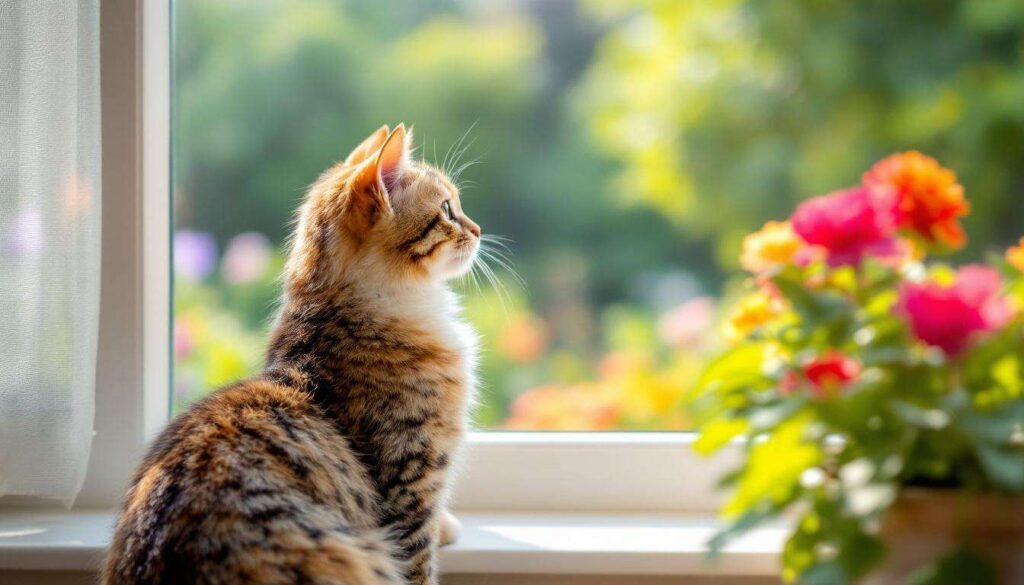
Cats possess an innate curiosity about the world beyond their indoor territories, yet the outdoors presents genuine hazards ranging from traffic accidents to encounters with predators. Responsible cat ownership requires balancing your feline’s natural desire for exploration with practical safety measures. Creating controlled outdoor experiences allows your cat to engage with nature whilst minimising the risks that come with unrestricted roaming. This approach protects local wildlife, prevents your cat from becoming lost, and reduces exposure to diseases and injuries that outdoor cats commonly face.
The benefits of a secure outdoor access
Mental stimulation and enrichment
Providing your cat with controlled outdoor access delivers significant psychological benefits that indoor environments struggle to replicate. Outdoor spaces offer sensory stimulation through varied sounds, scents, and visual elements that engage a cat’s hunting instincts and natural curiosity. This mental engagement reduces boredom-related behaviours such as excessive vocalisation, destructive scratching, and aggression towards household members.
- Exposure to natural light regulates circadian rhythms
- Fresh air and temperature variations provide sensory diversity
- Observation of birds, insects, and small animals satisfies predatory instincts
- Different textures underfoot stimulate tactile senses
Physical health advantages
Secure outdoor access encourages physical activity that combats obesity, a growing concern amongst domesticated cats. The varied terrain and opportunities for climbing, jumping, and exploring promote muscle development and cardiovascular health. Cats with regular outdoor time typically maintain healthier weights and demonstrate improved joint flexibility compared to their exclusively indoor counterparts.
These physical and mental benefits create a foundation for exploring practical methods of providing outdoor access whilst maintaining complete control over your cat’s safety.
Setting up a secure outdoor space for your cat
Catio construction essentials
A catio—an enclosed patio designed specifically for cats—represents the gold standard for secure outdoor access. These structures attach to existing windows or doors, creating an extension of your home that your cat can access freely. Proper catio construction requires sturdy materials that withstand weather conditions and prevent escape or intrusion by other animals.
| Component | Recommended material | Purpose |
|---|---|---|
| Framework | Treated timber or metal | Structural integrity |
| Enclosure | Wire mesh (2.5cm gauge) | Security and visibility |
| Roof | Polycarbonate or mesh | Weather protection |
| Flooring | Treated decking or concrete | Durability and cleaning |
Garden enclosure systems
For those with existing gardens, cat-proof fencing systems convert outdoor spaces into safe territories. These systems typically feature inward-angled brackets at the top of existing fences, preventing cats from climbing out whilst allowing them to explore larger areas. The installation requires careful assessment of all potential escape routes, including gates, trees near boundaries, and gaps beneath fencing.
Once your outdoor space is physically secured, you might consider more interactive methods of outdoor engagement that offer flexibility and bonding opportunities.
The benefits of leash walks for felines
Training your cat for harness acceptance
Contrary to popular belief, many cats adapt successfully to harness training when introduced gradually. The process requires patience, with initial sessions focusing on harness familiarity indoors before progressing to outdoor adventures. Begin by allowing your cat to investigate the harness, then progress to brief wearing periods paired with treats and positive reinforcement.
- Select an escape-proof harness specifically designed for cats
- Introduce the harness indoors for short periods over several weeks
- Attach a lightweight lead once your cat tolerates the harness
- Practise walking indoors before venturing outside
- Choose quiet outdoor locations for initial walks
Advantages over free roaming
Leash walks provide controlled exploration whilst maintaining complete supervision. This method proves particularly valuable for cats living in urban environments where enclosed outdoor spaces aren’t feasible. The direct supervision prevents encounters with aggressive animals, consumption of toxic plants, and the risk of your cat fleeing when startled. Additionally, leash walks strengthen the bond between owner and cat through shared experiences.
Whilst leash walks offer mobility and adventure, stationary outdoor access points within your home also deserve consideration for their convenience and year-round usability.
Installing secure windows and balconies for cats
Window safety modifications
Windows present significant hazards to curious cats, particularly in multi-storey dwellings. High-rise syndrome—injuries sustained from falls—affects numerous cats annually. Installing purpose-built window screens or guards allows you to provide fresh air and outdoor views without risk. These barriers must withstand a cat’s full weight and resist determined scratching or pushing.
Balcony enclosure solutions
Balconies offer excellent opportunities for outdoor access when properly secured. Cat-safe balcony netting creates transparent barriers that preserve views whilst preventing falls or escapes. Professional installation ensures proper tensioning and secure attachment points that won’t fail under pressure. Alternatively, custom-built enclosures with rigid panels provide more substantial protection and can incorporate shelving and climbing features.
These permanent modifications to your living space work most effectively when complemented by appropriate equipment that enhances your cat’s outdoor experiences.
Choosing essential accessories for outings
Harnesses and identification
The foundation of safe outdoor adventures begins with proper equipment selection. An escape-proof harness should feature adjustment points at both the neck and chest, distributing pressure evenly and preventing your cat from backing out. Vest-style harnesses generally provide superior security compared to figure-eight designs.
- Microchip your cat as permanent identification
- Attach a collar with current contact information
- Consider GPS tracking devices for added security
- Carry a recent photograph on your mobile device
Comfort and entertainment items
Enhancing outdoor spaces with appropriate accessories maximises your cat’s enjoyment and encourages regular use. Elevated platforms satisfy cats’ preference for high vantage points, whilst scratching posts redirect natural behaviours away from structures. Weather-resistant cat furniture withstands outdoor conditions whilst providing comfort during extended sessions.
Even with ideal equipment and spaces, active supervision and health precautions remain paramount to ensuring your cat’s wellbeing during outdoor time.
Monitoring and protecting your cat during escapades
Health precautions for outdoor exposure
Outdoor access necessitates enhanced veterinary care compared to exclusively indoor living. Ensure your cat maintains current vaccinations, including those for feline leukaemia if exposure to other cats is possible. Regular parasite prevention becomes essential, with monthly treatments for fleas, ticks, and intestinal parasites. Schedule veterinary examinations at least annually to detect any health issues early.
Supervision strategies
Direct observation during outdoor time allows immediate intervention if problems arise. Position yourself where you can monitor your cat’s activities whilst allowing them freedom to explore. Watch for signs of stress, including flattened ears, dilated pupils, or attempts to hide. Familiarise yourself with local wildlife and plants that pose toxicity risks, removing dangerous species from accessible areas where possible.
| Risk factor | Monitoring approach |
|---|---|
| Extreme temperatures | Limit outdoor time; provide shade and water |
| Other animals | Scan surroundings before allowing access |
| Toxic plants | Research and remove hazardous vegetation |
| Escape attempts | Regular inspection of enclosure integrity |
Providing outdoor experiences for your cat requires commitment to safety infrastructure, appropriate training, and vigilant supervision. The investment in secure spaces, quality equipment, and preventative healthcare delivers substantial rewards through improved feline wellbeing and enriched daily life. By implementing these strategies thoughtfully, you create opportunities for your cat to engage with nature whilst maintaining the security that responsible pet ownership demands. The combination of physical barriers, controlled exploration methods, and active monitoring ensures your cat enjoys the stimulation of the outdoors without exposure to the dangers that unrestricted roaming presents.