



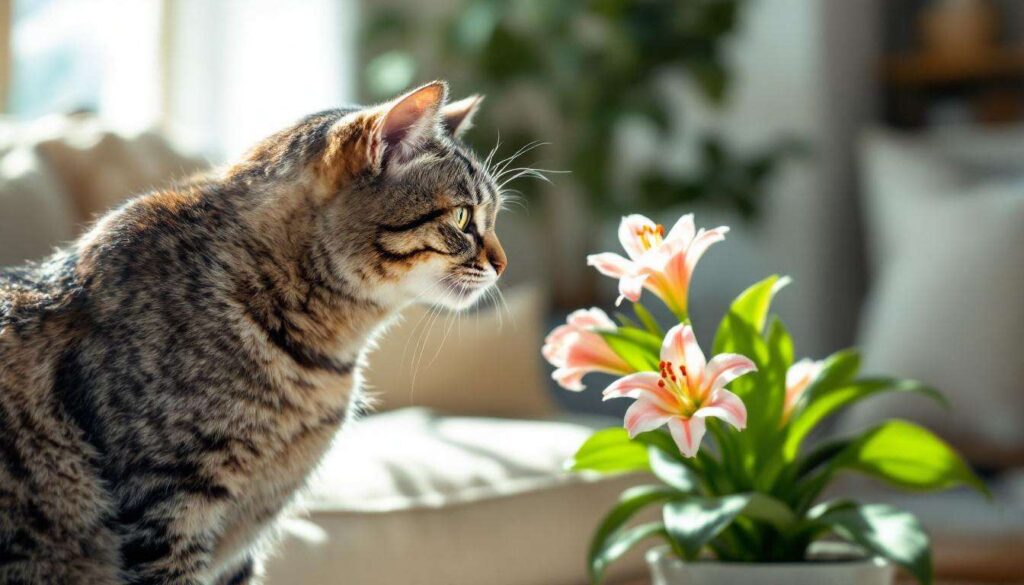
Houseplants bring life and colour to our homes, but for cat owners, they can pose a hidden threat. Many popular ornamental plants contain toxins that can seriously harm felines, leading to emergency veterinary visits and, in severe cases, life-threatening complications. Understanding which greenery presents a danger is essential for creating a safe environment where both pets and plants can coexist harmoniously.
Why are some plants dangerous for cats ?
Natural defence mechanisms in plants
Plants have evolved chemical defence systems to protect themselves from herbivores and pests. These naturally occurring compounds include alkaloids, glycosides, and oxalates, which deter animals from consuming them. Unfortunately, cats lack the specific enzymes needed to metabolise many of these substances effectively. When a curious feline chews on leaves or stems, these toxins enter their system and can cause reactions ranging from mild irritation to severe organ damage.
Cats’ curious nature and grooming habits
Felines are inherently inquisitive creatures with a tendency to explore their environment through taste and touch. Their grooming behaviour further compounds the risk, as pollen or plant residue on their fur can be ingested during routine cleaning. Unlike dogs, cats are obligate carnivores with limited ability to process plant matter, making them particularly vulnerable to botanical toxins.
The combination of attractive foliage and a cat’s natural instinct to nibble on greenery creates the perfect storm for accidental poisoning. Even small quantities of certain plants can trigger serious health issues, making awareness crucial for responsible pet ownership.
The most common toxic plants
Lilies: the deadliest threat
All parts of true lilies and daylilies are extremely poisonous to cats. Even minimal exposure, such as licking pollen from their fur or drinking water from a vase containing lilies, can cause acute kidney failure. Species to avoid include:
- Easter lilies
- Tiger lilies
- Asiatic lilies
- Stargazer lilies
- Daylilies
Other dangerous houseplants
Beyond lilies, numerous popular houseplants pose significant risks. Dieffenbachia, commonly known as dumb cane, contains calcium oxalate crystals that cause immediate oral pain and swelling. Sago palms contain cycasin, which can lead to liver failure and death. Philodendrons and pothos, beloved for their easy care, contain insoluble oxalates that irritate the mouth and digestive tract.
| Plant name | Toxic component | Primary risk |
|---|---|---|
| Lilies | Unknown toxin | Kidney failure |
| Sago palm | Cycasin | Liver damage |
| Dieffenbachia | Calcium oxalate | Oral irritation |
| Azalea | Grayanotoxins | Cardiovascular issues |
| Cyclamen | Saponins | Gastrointestinal distress |
Understanding which plants present the greatest danger helps cat owners make informed decisions about their indoor gardens and floral arrangements.
Symptoms of poisoning in cats
Immediate warning signs
Plant toxicity can manifest within minutes or take several hours to appear. Early symptoms often include excessive drooling, pawing at the mouth, and visible distress. Cats may vomit repeatedly or experience diarrhoea as their bodies attempt to expel the toxic substance. Behavioural changes such as lethargy, hiding, or unusual vocalisation indicate discomfort.
Severe complications requiring urgent care
As poisoning progresses, more serious symptoms emerge. These include:
- Difficulty breathing or rapid respiration
- Tremors or seizures
- Irregular heartbeat
- Loss of appetite lasting more than 24 hours
- Changes in urination patterns
- Jaundice (yellowing of gums and eyes)
Kidney failure from lily ingestion may not show obvious symptoms initially, but deterioration can be rapid. Any suspected plant ingestion warrants immediate veterinary attention, as prompt treatment significantly improves outcomes. Bring a sample of the plant to help veterinarians identify the toxin and provide appropriate care.
Recognising these warning signs quickly can mean the difference between a full recovery and tragic consequences, making vigilance essential for cat owners.
How to protect your cat at home
Strategic plant placement
Elevating plants beyond your cat’s reach provides a first line of defence, though determined climbers may still access high shelves. Hanging planters work well for trailing varieties, whilst closed rooms or glass cabinets offer complete separation. Consider your cat’s abilities when choosing locations, as some felines can jump impressively high or navigate furniture to reach seemingly inaccessible spots.
Training and deterrents
Teaching cats to avoid plants requires patience and consistency. Positive reinforcement when they ignore greenery, combined with immediate redirection when they show interest, gradually builds better habits. Physical barriers such as decorative fencing or citrus-scented sprays can discourage approach, as most cats dislike citrus aromas. Providing dedicated cat grass gives felines a safe outlet for their plant-nibbling instincts.
Regular home audits
Periodically review all plants in your home, including cut flowers and seasonal decorations. Check gifts from well-meaning friends and family, as bouquets often contain lilies. Research any new plant before bringing it home, using reliable veterinary resources to verify safety. This proactive approach prevents accidental exposure and demonstrates responsible pet ownership.
Creating a cat-safe environment doesn’t mean sacrificing all greenery; it simply requires thoughtful selection and placement of botanical additions.
Safe alternatives: non-toxic plants
Cat-friendly houseplants
Numerous attractive plants pose no threat to feline companions. Spider plants are virtually indestructible and completely safe, though some cats enjoy their mildly hallucinogenic properties. Boston ferns add lush texture without risk, whilst African violets provide colourful blooms. Calatheas offer striking foliage patterns and thrive in typical indoor conditions.
| Safe plant | Care level | Visual appeal |
|---|---|---|
| Spider plant | Easy | Arching foliage |
| Boston fern | Moderate | Lush, feathery |
| Calathea | Moderate | Patterned leaves |
| Parlour palm | Easy | Tropical elegance |
| Peperomia | Easy | Compact variety |
Herbs and edible options
Cat grass, typically wheat, oat, or barley, provides nutritional benefits and satisfies chewing urges. Culinary herbs such as basil, thyme, and rosemary are safe and functional. These options allow cats to interact with plants naturally whilst supporting their digestive health through fibre intake.
Selecting non-toxic varieties ensures peace of mind whilst maintaining an attractive indoor garden that both humans and cats can enjoy safely.
Tips for balancing decoration and pet safety
Design strategies for pet-friendly spaces
Incorporating greenery without compromising safety requires creative thinking. Vertical gardens mounted on walls keep plants accessible for maintenance but out of paw’s reach. Glass terrariums create miniature ecosystems that cats cannot access whilst adding visual interest. Rotating seasonal displays between cat-accessible and restricted areas maintains variety without permanent risk.
Compromise solutions
If you cannot part with a favourite toxic plant, dedicate a cat-free room for your collection. Install secure screens or doors that prevent feline entry whilst allowing you to enjoy your botanical hobby. Alternatively, high-quality artificial plants provide the aesthetic benefits without any health risks. Modern silk and plastic varieties are remarkably realistic and require no maintenance.
Educating household members
Everyone in the home must understand which plants are dangerous and why vigilance matters. Children especially need clear instructions about keeping toxic plants away from pets. Establish rules about gift plants and cut flowers, ensuring all family members check safety before bringing new greenery indoors. This collective awareness creates a consistent safety culture that protects your cat.
Achieving harmony between beautiful interiors and pet safety is entirely possible with thoughtful planning and appropriate plant selection. Cat owners need not sacrifice aesthetic appeal to protect their beloved companions. By removing dangerous species, choosing safe alternatives, and implementing strategic placement, homes can remain both stylish and secure. The small effort required to research and select appropriate plants pales in comparison to the distress of a poisoned pet. Creating a cat-safe environment demonstrates the care and responsibility that defines good pet ownership, ensuring that both plants and pets thrive together peacefully.