


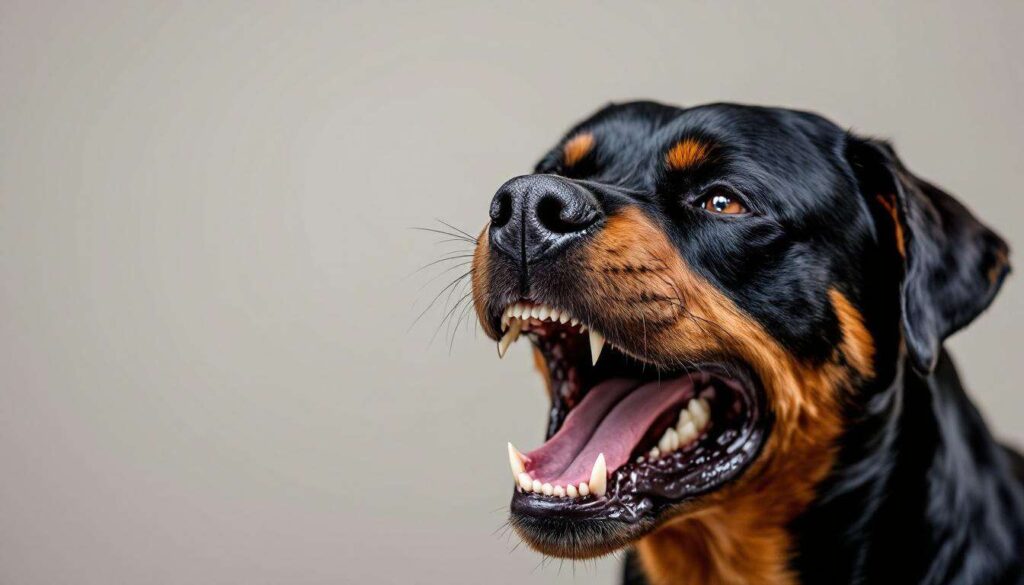
Dogs have been humanity’s companions for millennia, serving as protectors, hunters and loyal friends. Amongst the many characteristics that distinguish different breeds, bite force stands out as a particularly fascinating trait. This physical attribute, measured in pounds per square inch (PSI), reflects not only a dog’s jaw strength but also its evolutionary history and purpose. From guarding livestock to protecting families, certain breeds have developed remarkably powerful jaws. Understanding which breeds possess the strongest bite force provides valuable insight into canine capabilities and helps potential owners make informed decisions about breed selection.
Understanding canine bite force
What bite force actually means
Bite force represents the amount of pressure a dog’s jaw can exert when closing. Scientists measure this force in PSI, a unit that quantifies the pressure applied over a specific area. The measurement captures the combined power of jaw muscles, skull structure and tooth placement working together. A dog’s bite force reflects its biological design and the tasks its ancestors performed throughout history.
Factors influencing bite strength
Several elements contribute to a dog’s overall bite power:
- Skull size and shape determine the leverage available to jaw muscles
- Muscle mass in the temporalis and masseter muscles provides the raw power
- Tooth structure and placement affect how force is distributed
- Overall body size typically correlates with stronger bite capability
- Breeding history and original purpose influence jaw development
These anatomical features work in harmony to produce the impressive bite forces recorded in certain breeds. The relationship between these factors explains why some medium-sized breeds can match or exceed larger dogs in bite strength.
Comparing canine bite force to other animals
| Animal | Bite Force (PSI) |
|---|---|
| Strongest dogs | 500-700 |
| Human | 120-160 |
| Wolf | 400-500 |
| Lion | 650-1,000 |
| Crocodile | 3,700+ |
This comparison demonstrates that whilst dogs possess impressive bite force, they remain moderate compared to apex predators. Nevertheless, their bite strength commands respect and understanding. Beyond mere measurements, examining specific breeds reveals how different lineages developed their distinctive jaw power.
Dog breeds and their power
The top contenders
Research into canine bite force has identified several breeds with exceptional jaw strength. The kangal shepherd, originating from Turkey, holds the record with measurements reaching approximately 743 PSI. This livestock guardian developed its powerful bite to defend flocks against wolves and bears. The cane corso, an Italian mastiff descendant, follows closely with around 700 PSI, whilst the dogo argentino registers approximately 500 PSI.
Rankings of powerful biters
The following breeds consistently appear in bite force studies:
- Kangal shepherd: 743 PSI
- Cane corso: 700 PSI
- Dogo argentino: 500 PSI
- American bulldog: 305 PSI
- Dobermann pinscher: 245 PSI
- German shepherd: 238 PSI
- Rottweiler: 328 PSI
- English mastiff: 556 PSI
- Wolfdog: 406 PSI
- Leonberger: 399 PSI
These measurements represent average values and individual dogs may vary considerably. Bite force alone does not determine a dog’s temperament or behaviour, though it certainly influences the potential consequences of aggressive actions. Understanding why certain breeds developed such power provides context for these impressive statistics.
Why some dogs have a stronger bite
Evolutionary and breeding purposes
Dogs with the strongest bite forces were typically bred for specific demanding tasks. Guardian breeds needed sufficient power to deter predators threatening livestock. Fighting breeds, though such activities are now illegal in most countries, were selected for jaw strength. Hunting breeds required the ability to hold large game. These historical purposes shaped jaw development over generations, creating the powerful biters we recognise today.
Physical characteristics that enhance bite force
Certain anatomical features consistently appear in breeds with exceptional bite strength. A broad skull provides greater surface area for muscle attachment, whilst a short muzzle creates mechanical advantage through improved leverage. Deep-set jaws accommodate larger muscles, and pronounced cheekbones indicate well-developed masseter muscles. These features combine to produce the impressive PSI measurements recorded in top breeds.
The role of size and weight
Whilst size generally correlates with bite force, the relationship is not absolute. Some medium-sized breeds with specialised jaw structures can match larger dogs in bite strength. However, the combination of size and specialised anatomy produces the most powerful bites. A 70-kilogram mastiff naturally has more muscle mass available than a 30-kilogram terrier, giving it inherent advantages in generating force. Looking at specific breeds illustrates how these principles manifest in real dogs.
The german shepherd: a workaholic
Versatility and jaw strength
The german shepherd combines moderate bite force with exceptional versatility. With approximately 238 PSI, this breed does not top bite force charts, yet its jaw strength proves entirely adequate for police work, military service and personal protection. The breed’s intelligence and trainability make it more valuable than raw power alone would suggest.
Working applications
German shepherds excel in roles requiring controlled bite force:
- Police apprehension work where measured force is essential
- Search and rescue operations requiring gentle mouth handling
- Military applications demanding reliability under stress
- Personal protection with appropriate restraint
This breed demonstrates that effective bite force involves more than maximum PSI. The ability to modulate pressure and respond to commands makes german shepherds invaluable working dogs. Their balanced approach to jaw strength contrasts with breeds developed purely for maximum power.
The canine with formidable jaws: the rottweiler
Ancient guardian heritage
The rottweiler descends from Roman cattle-driving dogs, inheriting a powerful bite suited to controlling livestock and deterring threats. With approximately 328 PSI, this breed possesses substantial jaw strength combined with a muscular build. Their broad heads and deep-set jaws provide the anatomical foundation for their impressive bite capability.
Temperament and bite force considerations
Rottweilers require experienced ownership due to their combination of strength, protectiveness and bite force. Proper socialisation and training channel their natural guarding instincts appropriately. When raised correctly, they become loyal family protectors, but their physical capabilities demand responsible management. Their bite force, whilst significant, represents only one aspect of their complex nature as working dogs.
The english mastiff and its mighty jaw
Size and power combined
The english mastiff ranks amongst the most powerful biters in the canine world, with measurements reaching 556 PSI. This ancient breed, weighing up to 100 kilograms, combines massive size with specialised jaw structure. Their broad skulls and substantial muscle mass create the foundation for their formidable bite force.
Gentle giant paradox
Despite their impressive bite capability, english mastiffs typically display calm temperaments. Bred as estate guardians rather than aggressive fighters, they rely more on intimidation than actual force. This paradox illustrates an important principle: bite force potential does not determine behaviour. Proper breeding emphasises stable temperament alongside physical capability, creating dogs that rarely use their full jaw strength. The methods used to measure these impressive statistics deserve examination.
How is bite force measured ?
Scientific measurement techniques
Researchers employ specialised equipment to quantify canine bite force accurately. Bite sleeves fitted with pressure sensors record the force when dogs bite during training exercises. Digital force gauges provide precise PSI readings, whilst high-speed cameras capture jaw mechanics. These tools allow scientists to study bite force without endangering researchers or stressing dogs excessively.
Challenges in accurate measurement
Several factors complicate bite force research:
- Dogs rarely exert maximum force during testing conditions
- Individual variation within breeds creates wide ranges
- Motivation affects how hard a dog bites
- Age and health influence jaw strength
- Training and conditioning impact muscle development
These variables mean published bite force figures represent estimates rather than absolutes. Real-world bite force during defensive or aggressive encounters may exceed laboratory measurements. Understanding these limitations helps contextualise bite force statistics appropriately. Beyond measurement, preventing incidents involving powerful jaws requires proactive strategies.
Preventing dog bite-related accidents
Responsible ownership practices
Owners of powerful breeds carry special responsibilities regarding bite prevention. Early socialisation exposes puppies to diverse people, animals and situations, reducing fear-based aggression. Consistent training establishes clear boundaries and reinforces appropriate behaviour. Secure fencing prevents unsupervised interactions with strangers, whilst proper exercise reduces frustration that can lead to aggressive outbursts.
Recognising warning signs
Understanding canine body language helps prevent bites before they occur. Dogs typically display escalating warning signals before biting, including stiffening posture, raised hackles, growling, showing teeth and intense staring. Respecting these warnings and removing the dog from stressful situations prevents escalation. Children particularly need education about dog behaviour and appropriate interaction methods.
Legal and insurance considerations
| Consideration | Importance |
|---|---|
| Liability insurance | Essential for powerful breeds |
| Local breed restrictions | Varies by jurisdiction |
| Secure containment | Legal requirement in most areas |
| Bite history disclosure | Required when rehoming |
Prospective owners should research local regulations before acquiring powerful breeds, as some jurisdictions impose restrictions or additional requirements. Adequate insurance protects both owners and potential victims should incidents occur despite preventive measures.
Canine bite force represents a fascinating intersection of evolution, breeding and anatomy. The breeds discussed possess impressive jaw strength developed through centuries of selective breeding for specific purposes. However, bite force measurements tell only part of the story. Responsible ownership, proper training and understanding canine behaviour prove far more important than raw PSI numbers. Whether considering a powerful breed or simply appreciating canine capabilities, recognising both the potential and responsibilities associated with strong-jawed dogs ensures safer, more harmonious relationships between humans and their loyal companions.