

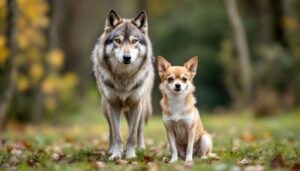


Adopting a mixed-breed dog brings both joy and unpredictability into your home. Unlike purebred dogs with established standards and predictable characteristics, mixed breeds offer a unique combination of traits inherited from multiple lineages. This genetic diversity creates companions with distinctive personalities, appearances and health profiles that may evolve in unexpected ways. Prospective owners often wonder whether they should brace themselves for surprises or if the uncertainty adds to the charm of welcoming a crossbreed into their lives. Understanding what lies ahead can help you make an informed decision and prepare adequately for the rewarding experience of sharing your home with a mixed-breed companion.
Understanding the temperament of mixed-breed dogs
The influence of multiple genetic backgrounds
Mixed-breed dogs inherit temperamental traits from various ancestral lines, creating a complex personality profile that may not become fully apparent until the dog matures. Whilst purebred dogs typically display breed-specific behaviours developed through generations of selective breeding, mixed breeds present a more unpredictable combination of instincts and tendencies. A dog with terrier ancestry might exhibit high energy levels and prey drive, whilst shepherd lineage could contribute protective instincts and trainability.
Environmental factors shaping behaviour
Beyond genetics, a mixed-breed dog’s temperament develops significantly through early socialisation and life experiences. The following factors play crucial roles:
- Early handling and human interaction during the critical socialisation period
- Exposure to various environments, sounds and situations
- Training methods and consistency in household rules
- Previous experiences, particularly in rescue dogs
- Ongoing mental stimulation and physical exercise
Research indicates that environmental influences can be as significant as genetic predisposition in determining a dog’s ultimate temperament. A mixed-breed puppy raised in a nurturing, stimulating environment with proper training often develops into a well-adjusted companion regardless of its genetic makeup.
Assessing temperament in shelters and rescues
When adopting an adult mixed-breed dog, reputable shelters conduct behavioural assessments that provide valuable insights into the dog’s current temperament. These evaluations typically examine responses to handling, food guarding tendencies, interaction with other animals and reactions to various stimuli. Whilst these assessments offer useful information, remember that a dog’s behaviour in a shelter environment may differ substantially from how they behave in a home setting once they’ve settled and feel secure.
The unpredictability of temperament naturally leads to questions about the physical characteristics you might encounter with a mixed-breed companion.
Predicting the size and appearance of your companion
Growth patterns in mixed-breed puppies
Estimating the adult size of a mixed-breed puppy presents one of the greatest challenges for prospective owners. Whilst examining paw size and leg length provides some clues, these indicators prove unreliable when multiple breeds contribute to the genetic mix. A puppy with large paws might grow into a medium-sized dog if smaller breeds dominate its heritage, or conversely, a compact puppy could experience unexpected growth spurts.
| Age | Percentage of Adult Weight | Reliability of Size Prediction |
|---|---|---|
| 8 weeks | 15-25% | Low |
| 16 weeks | 40-50% | Moderate |
| 6 months | 60-75% | High |
| 12 months | 90-100% | Very high |
Coat types and grooming requirements
A mixed-breed puppy’s coat may transform dramatically as it matures. Dogs with multiple coat types in their ancestry might develop unexpected textures, lengths or shedding patterns. A puppy with a smooth coat could develop a wiry or curly texture, whilst anticipated low-shedding characteristics might not materialise if shedding breeds feature prominently in the genetic background. This unpredictability affects grooming requirements and may impact households with allergy concerns.
DNA testing for breed identification
Modern canine DNA tests offer insights into a mixed-breed dog’s genetic composition, identifying breed percentages and providing information about potential size ranges and physical characteristics. These tests analyse genetic markers and compare them against extensive breed databases. Whilst not infallible, they provide valuable information that helps owners anticipate their dog’s adult appearance and prepare accordingly for grooming, exercise and space requirements.
Physical characteristics represent just one aspect of the surprises mixed breeds may present, with health considerations forming another crucial dimension.
Health and longevity of mixed breeds
The hybrid vigour advantage
Mixed-breed dogs often benefit from hybrid vigour, also known as heterosis, whereby genetic diversity reduces the likelihood of inheriting breed-specific health conditions. Purebred dogs frequently suffer from hereditary disorders perpetuated through limited gene pools and selective breeding for specific traits. Mixed breeds typically possess broader genetic variation, which can provide natural protection against certain congenital conditions that plague purebred populations.
Potential inherited health conditions
Despite the advantages of genetic diversity, mixed-breed dogs remain susceptible to health issues inherited from their ancestral breeds. Common concerns include:
- Hip and elbow dysplasia from large breed ancestry
- Heart conditions such as mitral valve disease
- Eye problems including progressive retinal atrophy
- Skin allergies and sensitivities
- Dental issues particularly in dogs with small breed heritage
DNA health screening can identify genetic markers for specific conditions, allowing owners to implement preventative measures and monitor for early symptoms. Regular veterinary check-ups become particularly important when a dog’s complete health history remains unknown.
Lifespan expectations
Statistical evidence suggests that mixed-breed dogs generally enjoy longer lifespans compared to many purebred counterparts. Studies indicate that crossbreeds live approximately 1.2 years longer on average than purebred dogs. Size remains the most significant factor influencing longevity, with smaller mixed breeds typically living 12-16 years whilst larger crosses average 8-12 years. Proper nutrition, regular exercise and preventative healthcare significantly impact lifespan regardless of breeding.
Beyond physical health, the behavioural traits and personality quirks of mixed breeds warrant careful consideration.
Personality and behaviour: what to expect ?
Blended behavioural traits
Mixed-breed dogs display unique personality combinations drawn from their diverse genetic backgrounds. A dog with retriever and herding breed ancestry might exhibit both the desire to fetch and the instinct to gather and control movement. These blended traits create distinctive individuals whose behaviours may surprise owners unfamiliar with the characteristics of contributing breeds. Understanding potential breed influences helps owners recognise and appropriately channel natural instincts.
Trainability and intelligence
The trainability of mixed-breed dogs varies considerably depending on their genetic makeup. Dogs with working breed heritage typically demonstrate high intelligence and eagerness to learn, whilst those with independent or stubborn breed influences may require more patient, consistent training approaches. Most mixed breeds respond well to positive reinforcement methods, and their diverse genetic backgrounds often produce adaptable dogs capable of learning various tasks and commands when properly motivated.
Social behaviour with humans and animals
Social tendencies in mixed breeds reflect their complex ancestry. Consider these common patterns:
- Dogs with guardian breed heritage may exhibit protective behaviours towards family members
- Sporting breed influence often creates friendly, outgoing personalities
- Terrier ancestry can contribute feisty attitudes and potential dog-to-dog reactivity
- Toy breed genetics might increase attachment to specific individuals
- Hound lineage can affect prey drive and independence levels
Early and ongoing socialisation proves crucial for developing appropriate social skills regardless of breed mix, helping mixed-breed dogs become confident, well-mannered companions in various situations.
These personality considerations connect directly to the genetic uncertainties that make mixed breeds both fascinating and unpredictable.
Possible genetic surprises
Unexpected trait expression
Genetics operates through complex mechanisms where traits may skip generations or emerge unexpectedly. A mixed-breed puppy might display characteristics not immediately apparent in either parent, as recessive genes combine in novel ways. Coat colours, ear shapes, tail carriage and facial features can all surprise owners as puppies mature. A dog expected to resemble one parent might ultimately favour a grandparent’s appearance or present an entirely unique combination of ancestral features.
Delayed development of breed characteristics
Some breed-specific traits manifest only as dogs reach maturity. Protective instincts, prey drive, vocalisations and energy levels may intensify or emerge during adolescence, typically between six months and two years of age. A calm puppy might develop into an energetic adult requiring substantial exercise, or a quiet youngster could become quite vocal once fully grown. These delayed expressions reflect the activation of genetic programming as the dog matures.
Managing unexpected challenges
When genetic surprises create challenges, several strategies help owners adapt:
- Consult professional trainers experienced with diverse breed behaviours
- Adjust exercise routines to match emerging energy levels
- Modify living arrangements if size exceeds initial expectations
- Seek veterinary guidance for unexpected health concerns
- Join support groups for owners of similar breed mixes
Flexibility and commitment prove essential when navigating the unpredictable aspects of mixed-breed ownership. Most challenges can be successfully managed with appropriate resources and realistic expectations.
Understanding these potential surprises helps inform the crucial decision about whether a mixed-breed dog suits your particular circumstances.
Choosing the right dog for your lifestyle
Assessing your living situation
Before committing to a mixed-breed dog, honestly evaluate your living environment and daily routine. Consider space availability, access to outdoor areas, household activity levels and the time you can dedicate to exercise, training and companionship. Mixed breeds with unknown size potential pose particular challenges for flat dwellers or those with limited outdoor space. Similarly, unpredictable energy levels require flexibility in your schedule to accommodate varying exercise needs.
Experience level and adaptability
First-time dog owners may find mixed breeds either delightfully manageable or surprisingly challenging depending on the genetic combination. Experienced owners typically possess the knowledge and flexibility to adapt to unexpected traits, whilst novices might struggle with unanticipated behaviours or training difficulties. Assess your willingness to seek professional help if challenges arise and your capacity to remain committed regardless of how your dog develops.
Working with shelters and rescues
Reputable rescue organisations provide valuable support in matching mixed-breed dogs with appropriate homes. Their assessments and observations offer insights into:
- Current behaviour patterns and temperament
- Known medical history and health status
- Compatibility with children, other pets and various household situations
- Exercise requirements and energy levels
- Any special needs or training requirements
Many organisations offer trial periods or foster-to-adopt programmes, allowing potential owners to assess compatibility before making a permanent commitment. This approach reduces the risk of mismatches and helps ensure successful, lasting placements.
Mixed-breed dogs offer rewarding companionship characterised by unique personalities and distinctive appearances. Whilst they present more uncertainty than purebred dogs regarding size, temperament and health, this unpredictability often proves part of their appeal. Genetic diversity typically confers health advantages and longer lifespans, though individual dogs may inherit breed-specific conditions. Success with mixed breeds requires flexibility, commitment and realistic expectations about potential surprises. Whether adopting a puppy or adult dog, thorough research, honest self-assessment and partnership with knowledgeable rescue organisations help ensure you choose a companion suited to your lifestyle and capabilities, creating a fulfilling relationship for both dog and owner.