



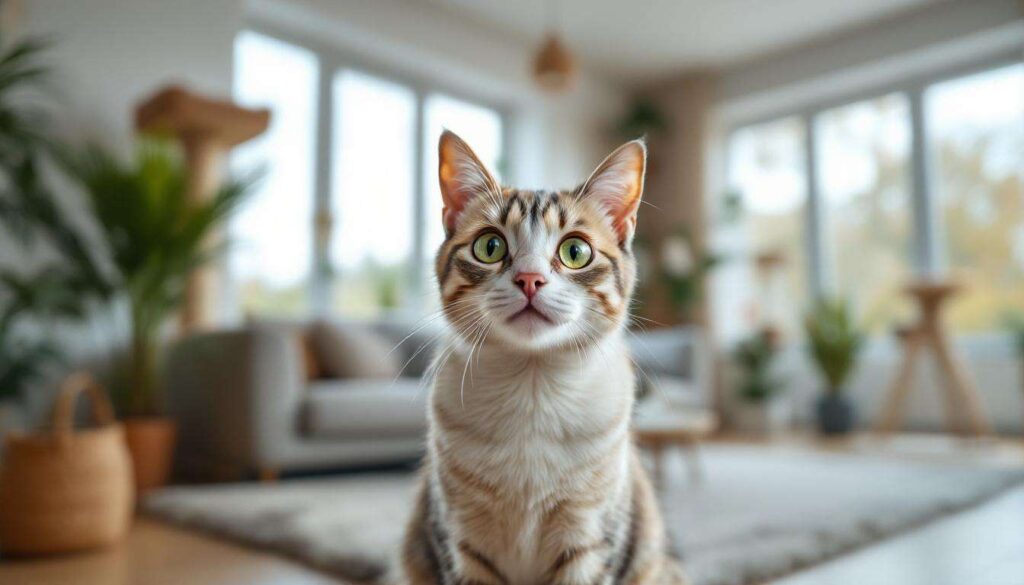
Every cat owner has experienced the frustration of discovering fresh scratch marks on their beloved sofa or pristine wallpaper. This common feline behaviour, whilst entirely natural, can wreak havoc on home furnishings and test even the most patient pet parent’s resolve. The good news is that understanding why cats scratch and implementing effective strategies can transform your living space from a scratching playground into a harmonious environment where both you and your feline companion can thrive.
Understanding your cat’s behaviour
The natural instincts behind scratching
Scratching represents a fundamental aspect of feline nature that extends far beyond simple destructive tendencies. Cats possess an innate drive to scratch that serves multiple biological and psychological purposes. This behaviour is hardwired into their DNA, inherited from wild ancestors who relied on sharp claws for survival. Understanding this instinctual foundation helps owners approach the issue with empathy rather than frustration.
Communication through scratching
Your cat’s scratching habits function as a sophisticated communication system. When cats scratch surfaces, they deposit scent markers from glands located in their paw pads. This territorial marking serves to:
- Establish ownership of their environment
- Create visual and olfactory signals for other cats
- Express emotional states such as excitement or stress
- Mark boundaries within their perceived territory
These behaviours become particularly pronounced in multi-cat households or when environmental changes occur, making scratching an essential outlet for emotional expression.
Physical and emotional needs
Beyond territorial marking, scratching fulfils crucial physical maintenance requirements. The action helps cats shed the outer sheath of their claws, keeping them sharp and healthy. Additionally, scratching provides vital stretching exercises that maintain flexibility in their shoulders, legs and spine. The emotional satisfaction derived from this activity cannot be understated, as it releases pent-up energy and reduces anxiety levels in felines.
Recognising these multifaceted motivations sets the foundation for addressing unwanted scratching effectively, leading us to explore the specific reasons behind this behaviour.
Why do cats scratch
Claw maintenance and health
The primary biological reason cats scratch involves claw care and renewal. Unlike human nails that grow continuously, cat claws develop in layers. Scratching removes the worn outer layer, revealing a sharper claw beneath. This process proves essential for maintaining optimal claw health and preventing overgrowth that could cause discomfort or injury. Indoor cats particularly require adequate scratching opportunities since they lack the natural wear that outdoor surfaces provide.
Territory marking and security
Territorial behaviour drives much of feline scratching activity. Cats feel safer and more secure when surrounded by their own scent markers. This explains why they often target prominent locations such as:
- Doorways and entrance points
- Corners of rooms and furniture
- Areas near sleeping spots
- Locations where family members frequently pass
The visual aspect of scratch marks complements the scent marking, creating a comprehensive territorial claim that reassures your cat of their place within the home.
Stress relief and exercise
Scratching serves as an excellent stress management tool for cats. When anxious, excited or frustrated, cats often turn to scratching as a coping mechanism. The physical exertion releases endorphins, providing natural stress relief. This behaviour intensifies during periods of change, such as moving house, introducing new pets or alterations to daily routines. Regular scratching also contributes to overall fitness, engaging core muscles and promoting healthy circulation.
Armed with this knowledge about scratching motivations, we can now explore practical solutions to protect your home whilst honouring your cat’s natural needs.
Solutions to protect your walls and furniture
Physical barriers and deterrents
Implementing protective measures offers immediate relief for vulnerable surfaces. Double-sided sticky tape applied to targeted areas creates an unpleasant texture that cats typically avoid. Furniture covers made from scratch-resistant materials provide temporary protection whilst training progresses. Plastic corner guards shield wallpaper edges and door frames from damage. These solutions work best when combined with positive alternatives rather than serving as standalone fixes.
Environmental modifications
Strategic environmental adjustments can significantly reduce unwanted scratching. Consider these modifications:
- Rearrange furniture to block access to favourite scratching spots
- Apply cat-safe citrus sprays to deter scratching in specific areas
- Use aluminium foil temporarily on surfaces cats target
- Install clear plastic panels on vulnerable wall sections
Nail maintenance strategies
Regular nail trimming reduces the damage potential from scratching incidents. Trimming every two to three weeks keeps claws blunt enough to minimise furniture destruction whilst maintaining claw health. Nail caps represent another option, providing soft covers that prevent scratching damage without affecting natural claw function. These require replacement every four to six weeks but offer excellent protection for households with particularly destructive scratchers.
| Protection Method | Effectiveness | Duration |
|---|---|---|
| Sticky tape | High | 2-4 weeks |
| Nail caps | Very high | 4-6 weeks |
| Furniture covers | Medium | Ongoing |
| Citrus sprays | Medium | Daily application |
Whilst these protective measures help safeguard your belongings, providing appropriate scratching alternatives remains the cornerstone of any successful strategy.
The importance of the scratching post
Choosing the right scratching post
Selecting an appropriate scratching post makes the difference between success and continued furniture destruction. The ideal post must be tall enough for your cat to fully stretch, typically at least 80 centimetres high. Stability proves crucial, as wobbly posts discourage use and may frighten cats. Material preferences vary amongst felines, with popular options including:
- Sisal rope for durable, satisfying texture
- Corrugated cardboard for budget-friendly appeal
- Carpet-covered posts for familiar feel
- Natural wood for authentic scratching experience
Optimal placement strategies
Location determines whether your cat embraces or ignores their scratching post. Place posts in high-traffic areas where your cat naturally spends time, particularly near sleeping spots where cats instinctively stretch and scratch upon waking. Multiple posts throughout your home accommodate territorial marking instincts and provide convenient access. Avoid tucking posts away in corners; cats prefer prominent positions that allow effective territory marking.
Variety and options
Different cats demonstrate distinct scratching preferences. Some prefer vertical posts whilst others favour horizontal scratchers. Offering varied scratching surfaces increases the likelihood of redirecting unwanted behaviour. Consider providing:
- Vertical posts for stretching and marking
- Horizontal pads for alternative angles
- Inclined scratchers for versatile positioning
- Cat trees combining multiple functions
Simply providing scratching posts, however, doesn’t guarantee their use. Effective training techniques encourage cats to choose appropriate scratching locations.
Techniques to redirect scratching behaviour
Positive reinforcement methods
Reward-based training proves far more effective than punishment when modifying scratching behaviour. Whenever you observe your cat using their scratching post, immediately offer praise, treats or playtime. This creates positive associations that encourage repetition. Catnip rubbed onto scratching posts can initially attract interest, though sustained use requires consistent reinforcement. Never punish scratching itself; instead, redirect to appropriate surfaces and reward compliance.
Making posts irresistible
Enhance scratching post appeal through strategic encouragement. Interactive play sessions near posts create positive associations and demonstrate their purpose. Gently place your cat’s paws on the post whilst praising them, allowing natural instincts to take over. Refresh worn scratching surfaces regularly to maintain texture appeal. Position favourite toys near posts to increase time spent in the vicinity, naturally leading to scratching exploration.
Consistency and patience
Behaviour modification requires time and dedication. Maintain consistent responses to both desired and undesired scratching. If your cat scratches furniture, calmly redirect them to an appropriate surface without shouting or physical correction. Patience proves essential, as some cats adapt within days whilst others require weeks. Track progress to identify patterns and adjust strategies accordingly.
Beyond basic redirection, additional strategies can further protect your furniture and strengthen positive scratching habits.
Additional tips for scratch-free furniture
Environmental enrichment
A stimulating environment reduces stress-related scratching. Provide adequate mental and physical stimulation through:
- Regular interactive play sessions twice daily
- Puzzle feeders that engage hunting instincts
- Window perches for environmental observation
- Rotating toy selection to maintain novelty
Bored or anxious cats scratch more frequently, making enrichment a preventative measure rather than mere entertainment.
Multi-cat household considerations
Homes with multiple cats require additional scratching resources. The general rule suggests providing one scratching post per cat plus one extra, distributed throughout the home. This prevents competition and territorial disputes that intensify scratching behaviour. Monitor interactions to ensure all cats access scratching opportunities without conflict. Some cats may require separate posts in different areas to feel secure.
Professional intervention
Persistent scratching problems may warrant professional guidance. Veterinary behaviourists can identify underlying anxiety or medical issues contributing to excessive scratching. They provide tailored behaviour modification plans addressing specific household dynamics. Consider professional help if scratching suddenly intensifies, occurs alongside other behavioural changes or resists standard intervention attempts.
Creating a scratch-friendly environment whilst protecting your belongings requires understanding, patience and appropriate resources. By honouring your cat’s natural instincts and providing suitable outlets, you can maintain both beautiful furniture and a happy feline companion. The investment in quality scratching posts and consistent training pays dividends in preserved furnishings and reduced stress for everyone in your household. Remember that scratching isn’t misbehaviour but natural cat communication, and with the right approach, it needn’t compromise your home’s appearance.