



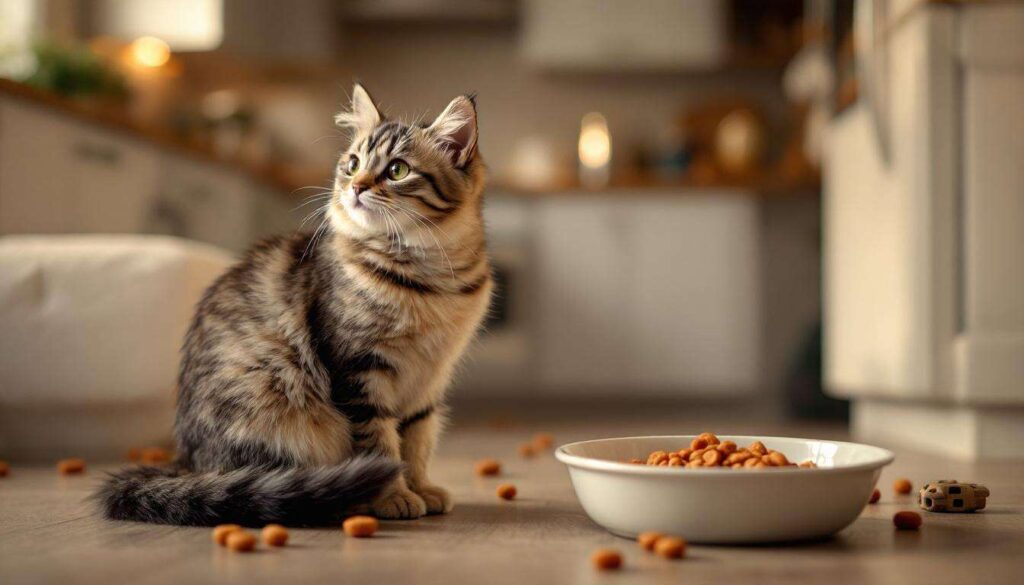
Cats have evolved as hunters, designed to stalk, chase and capture prey in short bursts of activity throughout the day. Yet many domestic felines spend their days eating from stationary bowls that require no effort whatsoever. This mismatch between natural behaviour and modern feeding practices can lead to a range of physical and psychological issues. Understanding why conventional food bowls may not serve our cats’ best interests is essential for anyone committed to feline welfare. From weight management to mental enrichment, the way we present food to our cats matters far more than most owners realise.
Why Traditional Bowls Are Not Suitable For Cats
Conventional feeding bowls present several challenges that conflict with feline biology and natural behaviour patterns. Cats in the wild consume multiple small meals throughout the day, typically between ten and twenty hunting sessions, each yielding a small portion of food. A bowl filled once or twice daily contradicts this instinctive eating pattern entirely.
Physical Health Concerns
The static nature of bowl feeding contributes directly to obesity and related health conditions. When food is continuously available or presented in large portions, cats often consume more calories than necessary. Studies indicate that indoor cats fed exclusively from bowls face significantly higher obesity rates compared to those whose feeding involves activity.
- Rapid eating leading to vomiting and digestive discomfort
- Increased risk of bloat and gastrointestinal issues
- Weight gain from lack of calorie expenditure during feeding
- Dental problems from consuming food without adequate chewing
Whisker Stress And Discomfort
Whisker fatigue represents another significant issue with conventional bowls. Cats possess highly sensitive whiskers that detect minute environmental changes. When these whiskers repeatedly brush against bowl sides during feeding, the constant stimulation can cause considerable stress. Many cats respond by eating only from the centre of bowls or refusing food altogether, which owners often misinterpret as fussiness.
Beyond these immediate concerns, the sedentary nature of bowl feeding fails to address the fundamental behavioural requirements that define feline psychology, which warrants closer examination.
The Behavioural Needs Of Cats
Felines possess deeply ingrained hunting instincts that persist regardless of domestication. The predatory sequence of searching, stalking, pouncing, catching and consuming represents a complete behavioural cycle that traditional feeding methods entirely bypass.
Natural Hunting Patterns
Cats are solitary ambush predators programmed to expend energy in pursuit of food. This biological imperative doesn’t disappear simply because food appears magically in a bowl twice daily. When these natural drives go unfulfilled, behavioural problems frequently emerge.
| Natural Behaviour | Bowl Feeding | Consequence |
|---|---|---|
| Active hunting | Passive consumption | Boredom and frustration |
| Multiple small meals | One or two large portions | Overeating and obesity |
| Mental engagement | No cognitive challenge | Destructive behaviour |
| Physical exertion | Minimal movement | Weight gain and lethargy |
Psychological Wellbeing
The absence of hunting opportunities creates a void in a cat’s daily routine. Many indoor cats develop stress-related behaviours including excessive grooming, aggression towards humans or other pets, and inappropriate elimination. These issues often stem from understimulation rather than genuine behavioural disorders.
- Reduced confidence and increased anxiety
- Attention-seeking behaviours during night hours
- Excessive vocalisation and demanding behaviour
- Redirected aggression towards household members
Addressing these behavioural needs requires more than simple feeding adjustments; it demands recognition of the critical role that play and stimulation occupy in feline welfare.
The Importance Of Play And Mental Stimulation
Cognitive enrichment stands as essential to cat health as proper nutrition. When feeding becomes an interactive activity rather than a passive event, it satisfies multiple needs simultaneously.
Preventing Boredom And Associated Problems
Cats experiencing chronic boredom often develop problematic behaviours that owners struggle to manage. Furniture destruction, aggressive play and night-time disturbances frequently result from insufficient mental stimulation during waking hours. Transforming mealtime into an engaging activity addresses these issues at their source.
Physical Exercise Through Feeding
Interactive feeding methods encourage movement and exercise as integral components of eating. This approach particularly benefits indoor cats with limited opportunities for physical activity. Even modest increases in daily movement contribute substantially to maintaining healthy body weight and muscle tone.
- Improved cardiovascular health through regular activity
- Enhanced muscle tone and joint flexibility
- Better coordination and spatial awareness
- Reduced risk of age-related mobility issues
Fortunately, numerous alternatives exist that honour feline nature whilst accommodating modern living arrangements.
Alternatives To Conventional Bowls
The market now offers diverse feeding solutions designed to engage cats mentally and physically whilst delivering nutrition. Puzzle feeders and food-dispensing toys represent the most accessible options for most households.
Puzzle Feeders
These devices require cats to manipulate objects to access food, mimicking the problem-solving aspects of hunting. Complexity ranges from simple designs suitable for beginners to advanced puzzles that challenge even experienced felines. Starting with easier puzzles prevents frustration whilst building confidence and skills.
Interactive Feeding Stations
Multiple feeding locations scattered throughout the home encourage natural foraging behaviour. Small portions placed in various spots require cats to search and explore, transforming the living space into a hunting ground. This method works particularly well for multi-cat households where competition might otherwise occur.
| Feeding Method | Advantages | Considerations |
|---|---|---|
| Puzzle feeders | Mental stimulation, slower eating | Initial training required |
| Food-dispensing balls | Physical activity, portion control | Noise on hard floors |
| Scattered feeding | Natural foraging, space utilisation | Hygiene management needed |
| Elevated feeders | Comfortable posture, reduced whisker stress | Limited behavioural enrichment |
Slow Feeders And Lick Mats
For cats transitioning from traditional bowls, slow feeders with raised obstacles encourage more deliberate eating without requiring complex problem-solving. Lick mats spread wet food thinly, promoting slower consumption and providing soothing repetitive activity.
Choosing amongst these options requires careful consideration of individual feline personalities and household circumstances.
Selecting An Appropriate Food Dispenser
Not every feeding solution suits every cat. Age, physical ability, temperament and previous experience all influence which alternatives will succeed in particular situations.
Assessing Individual Needs
Senior cats or those with mobility limitations require different approaches than young, active felines. Arthritic cats benefit from elevated stations that reduce joint strain, whilst energetic youngsters thrive with challenging puzzle feeders that demand physical manipulation.
- Consider current fitness levels and physical capabilities
- Account for cognitive function in elderly cats
- Evaluate temperament and frustration tolerance
- Assess food motivation and eating habits
Gradual Introduction Strategies
Abrupt changes to feeding routines often result in stress and refusal to eat. Gradual transitions allow cats to adapt whilst maintaining adequate nutrition. Begin by placing small amounts of food in new dispensers alongside traditional bowls, slowly shifting the balance over several weeks.
Successful implementation extends beyond simply changing feeding equipment to encompass broader dietary management principles.
How To Implement A Balanced Diet
Interactive feeding methods work best when integrated into comprehensive nutritional planning. Portion control becomes particularly important when food is distributed throughout the day via multiple methods.
Calculating Daily Requirements
Accurate portion measurement prevents overfeeding despite increased activity levels. Calculate total daily calorie needs based on ideal body weight rather than current weight for overweight cats. Divide this amount amongst all feeding opportunities, whether puzzle feeders, scattered portions or supplementary treats.
Monitoring Progress And Adjusting
Regular weight checks and body condition assessments ensure feeding strategies support health goals. Most cats should lose weight gradually if overweight, approximately one to two per cent of body weight weekly. Faster loss risks hepatic lipidosis, a serious liver condition.
- Weigh cats fortnightly during dietary transitions
- Assess body condition using standardised scoring systems
- Adjust portions based on weight trends and activity levels
- Consult veterinary professionals if concerns arise
Moving away from conventional bowl feeding represents a significant shift in how we care for domestic cats. By acknowledging their biological needs and natural behaviours, we create environments that support both physical health and psychological wellbeing. Interactive feeding methods transform mealtimes from passive consumption into engaging activities that satisfy hunting instincts whilst promoting healthy weight management. Whether through puzzle feeders, scattered feeding or food-dispensing toys, these alternatives honour feline nature within modern homes. The investment in appropriate feeding solutions pays dividends in happier, healthier cats displaying fewer behavioural problems and enjoying enhanced quality of life.