


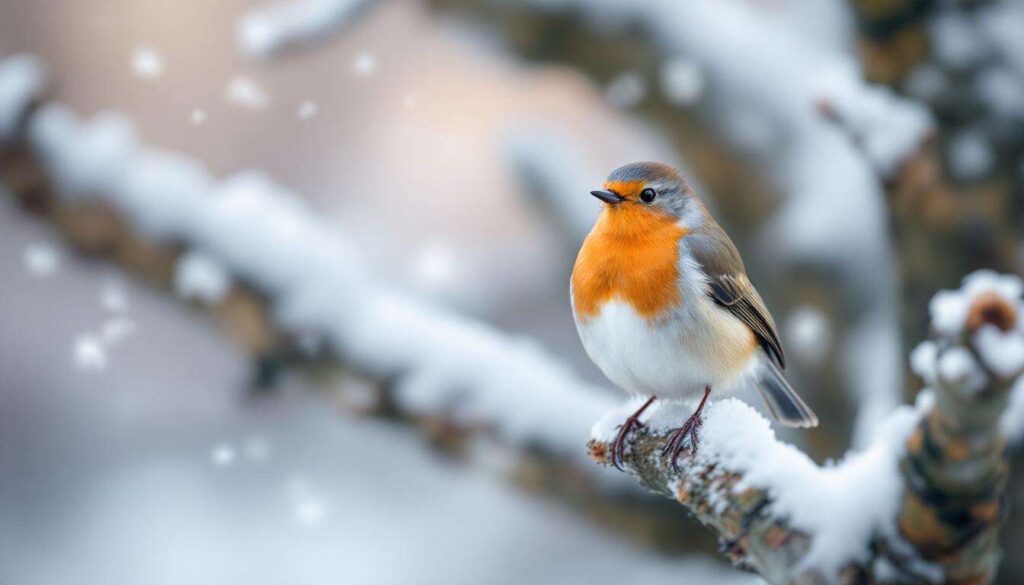
Winter transforms gardens into survival arenas for our feathered companions. As temperatures plummet and natural food sources vanish beneath frost and snow, birds face their most perilous season. The stark reality is that many species struggle to find enough sustenance to maintain their body temperature through long, freezing nights. Garden birds, from robins to blue tits, depend increasingly on human intervention during these harsh months. Understanding why birds need our support and how we can effectively provide it becomes not just an act of kindness but a crucial contribution to wildlife conservation.
The importance of winter feeding of birds
Energy demands during freezing conditions
Birds require extraordinary amounts of energy to survive winter’s grip. Their metabolic rate accelerates dramatically as they work to maintain a constant body temperature, typically around 40 degrees Celsius. Small birds, with their high surface-area-to-volume ratio, lose heat rapidly and must consume up to one-third of their body weight daily just to survive. This energy expenditure increases exponentially during particularly cold spells, when a single night without adequate fat reserves can prove fatal.
Natural food scarcity
Winter decimates the natural larder that birds rely upon during warmer months. The seasonal challenges include:
- Insects become dormant or die, eliminating a protein-rich food source
- Seeds and berries are depleted by early winter
- Frozen ground prevents access to worms and grubs
- Snow cover conceals remaining food sources
- Shorter daylight hours reduce foraging time significantly
Research indicates that supplementary feeding can increase winter survival rates by up to 30 per cent in some species. This support proves particularly vital during prolonged cold snaps when natural resources become completely inaccessible. Understanding these energy requirements and food shortages leads naturally to examining the specific obstacles birds encounter during the coldest months.
The challenges of cold and food
Physiological stress of low temperatures
The physical toll of winter on birds extends beyond simple discomfort. Hypothermia poses a constant threat, particularly to smaller species like wrens and goldcrests. Birds must balance the need to forage with the necessity of conserving energy, often fluffing their feathers to trap insulating air. This creates a challenging dilemma: expend energy searching for scarce food or conserve warmth by remaining stationary.
Competition for limited resources
As food becomes scarce, competition intensifies dramatically. Dominant species may monopolise feeding areas, whilst weaker or younger birds struggle to access vital nutrition. The following table illustrates typical winter survival challenges:
| Challenge | Impact on birds | Survival risk |
|---|---|---|
| Temperature below -5°C | Doubled energy requirements | High |
| Frozen water sources | Dehydration risk | Critical |
| Snow cover over 5cm | Food access blocked | Severe |
| Reduced daylight | 40% less foraging time | Moderate to high |
Water availability crisis
Whilst food scarcity receives considerable attention, access to liquid water proves equally critical. Birds need water for drinking and maintaining plumage condition. Frozen ponds, streams and birdbaths eliminate this essential resource, forcing birds to expend precious energy seeking alternatives or consuming snow, which actually lowers body temperature. These mounting challenges make human assistance not merely helpful but essential, which brings us to practical methods for providing effective support.
How to help birds in winter
Establishing consistent feeding routines
Regular feeding schedules allow birds to anticipate food availability and plan their energy expenditure accordingly. Once you begin feeding, birds rapidly become dependent on this supplementary source, particularly during severe weather. Inconsistent provision can prove more harmful than no feeding at all, as birds waste vital energy visiting empty feeders.
Multiple feeding stations
Creating several feeding points throughout your garden reduces competition and accommodates different species’ preferences. Consider these strategic placements:
- Ground feeders for thrushes, dunnocks and robins
- Hanging feeders at various heights for tits, finches and sparrows
- Table feeders for larger species like starlings and blackbirds
- Specialist feeders for niger seeds to attract goldfinches
- Mesh feeders for peanuts, positioned away from potential predator perches
Maintaining hygiene standards
Disease transmission increases significantly at feeding stations where birds congregate. Regular cleaning with diluted disinfectant prevents the spread of avian diseases such as trichomonosis and salmonella. Remove mouldy or spoiled food promptly, and rotate feeding locations periodically to prevent ground contamination. Knowing how to help effectively depends fundamentally on understanding which foods provide optimal nutrition during winter months.
The best food for birds
High-energy options for cold weather
Winter feeding demands calorie-dense foods that deliver maximum energy. Fat-based products prove particularly valuable as they provide sustained energy release. Suet blocks, fat balls and nyjer seeds offer concentrated nutrition that helps birds maintain body temperature through freezing nights. Sunflower hearts remain a universal favourite, providing essential oils without the energy cost of removing husks.
Species-specific preferences
Different birds have evolved distinct dietary requirements and feeding behaviours. Tailoring your offerings attracts a wider variety of species whilst ensuring nutritional needs are met:
- Robins and wrens prefer mealworms and insects
- Finches favour nyjer and sunflower seeds
- Thrushes benefit from apples and dried fruit
- Tits thrive on peanuts and suet products
- Blackbirds appreciate mealworms and soft foods
Foods to avoid
Certain common offerings can harm rather than help. Never provide salted foods, desiccated coconut, or dry bread, which swells in the stomach and offers minimal nutrition. Whole peanuts during breeding season pose choking risks to chicks, whilst milk products cause digestive problems as birds lack the enzymes to process lactose. Beyond nutrition, birds require safe spaces where they can rest and shelter from harsh conditions.
Setting up a sheltered space for birds
Natural cover and roosting sites
Dense evergreen shrubs provide essential windbreaks and overnight roosting spots. Holly, ivy and coniferous plants offer year-round protection that deciduous species cannot match during winter. Consider leaving areas of your garden slightly wild, as tangled vegetation creates microhabitats that retain warmth and offer refuge from predators and weather.
Artificial shelter solutions
Nest boxes serve dual purposes, providing breeding sites in spring and crucial overnight shelter during winter. Position boxes in sheltered locations, facing away from prevailing winds and driving rain. Open-fronted boxes suit robins and wrens, whilst enclosed boxes with small entrance holes accommodate tits and sparrows. The strategic placement makes a significant difference:
| Location | Suitable for | Protection level |
|---|---|---|
| Dense hedge | Small passerines | Excellent |
| North-facing wall | Summer breeding only | Poor in winter |
| Sheltered tree | Various species | Good |
| Under eaves | House sparrows | Very good |
Water provision in freezing conditions
Maintaining ice-free water sources requires daily attention during cold spells. Placing a tennis ball in birdbaths helps prevent complete freezing, whilst regular top-ups with warm water provide temporary relief. Shallow containers prove safer than deep bowls, reducing drowning risks. These practical measures contribute to broader conservation efforts that rely heavily on public participation.
The vital role of citizens in bird conservation in winter
Collective impact of garden feeding
Individual actions multiply into significant conservation outcomes when communities participate. Research demonstrates that garden feeding programmes have helped stabilise and even increase populations of species like goldfinches and long-tailed tits. Your garden becomes part of a crucial network of stepping-stones that allows birds to survive and thrive despite habitat loss and agricultural intensification.
Contributing to citizen science
Participating in initiatives such as the RSPB’s Big Garden Birdwatch transforms casual observation into valuable scientific data. Recording which species visit your garden, their numbers and behaviours contributes to understanding population trends, distribution changes and the effectiveness of conservation strategies. This information guides policy decisions and conservation priorities.
Creating wildlife-friendly communities
Encouraging neighbours to adopt bird-friendly practices amplifies positive impacts. Community efforts can include:
- Coordinating feeding stations to cover wider areas
- Sharing knowledge about effective feeding strategies
- Collectively maintaining predator-safe environments
- Organising local bird counts and monitoring programmes
- Advocating for wildlife-friendly planning in local developments
Every garden matters, regardless of size. Even small urban spaces contribute to the mosaic of habitats that sustain bird populations through winter’s challenges. Your commitment to winter feeding represents more than compassion; it constitutes active participation in preserving biodiversity for future generations.
Supporting birds through winter requires understanding their needs, providing appropriate food and shelter, and maintaining consistent care throughout the coldest months. The challenges birds face during this season are substantial, but human intervention makes a measurable difference to survival rates. By establishing feeding routines, offering high-quality food, creating sheltered spaces and participating in conservation efforts, we become essential partners in protecting these remarkable creatures. The collective actions of citizens transform gardens into vital refuges, ensuring that the dawn chorus returns each spring with undiminished vigour.